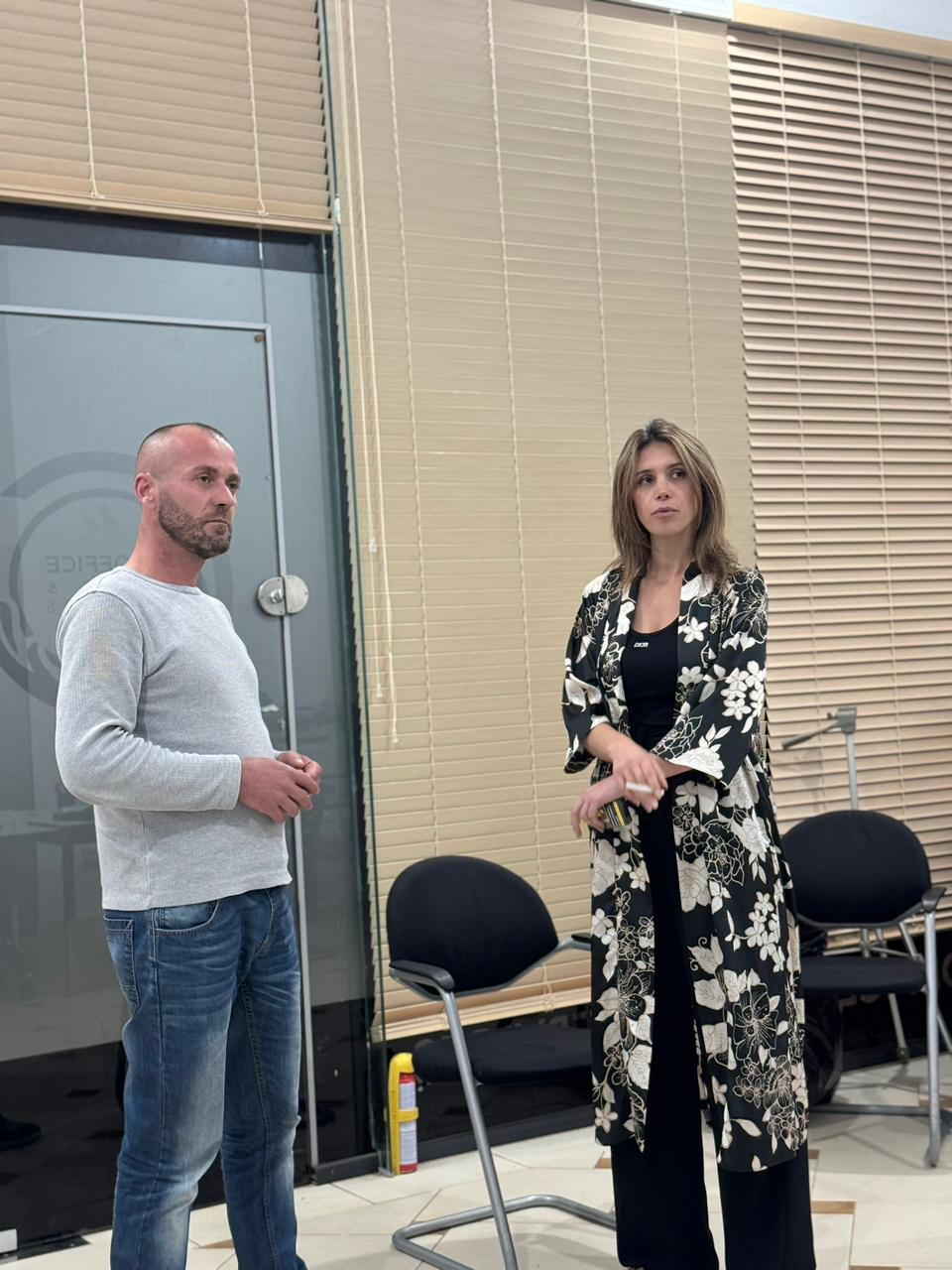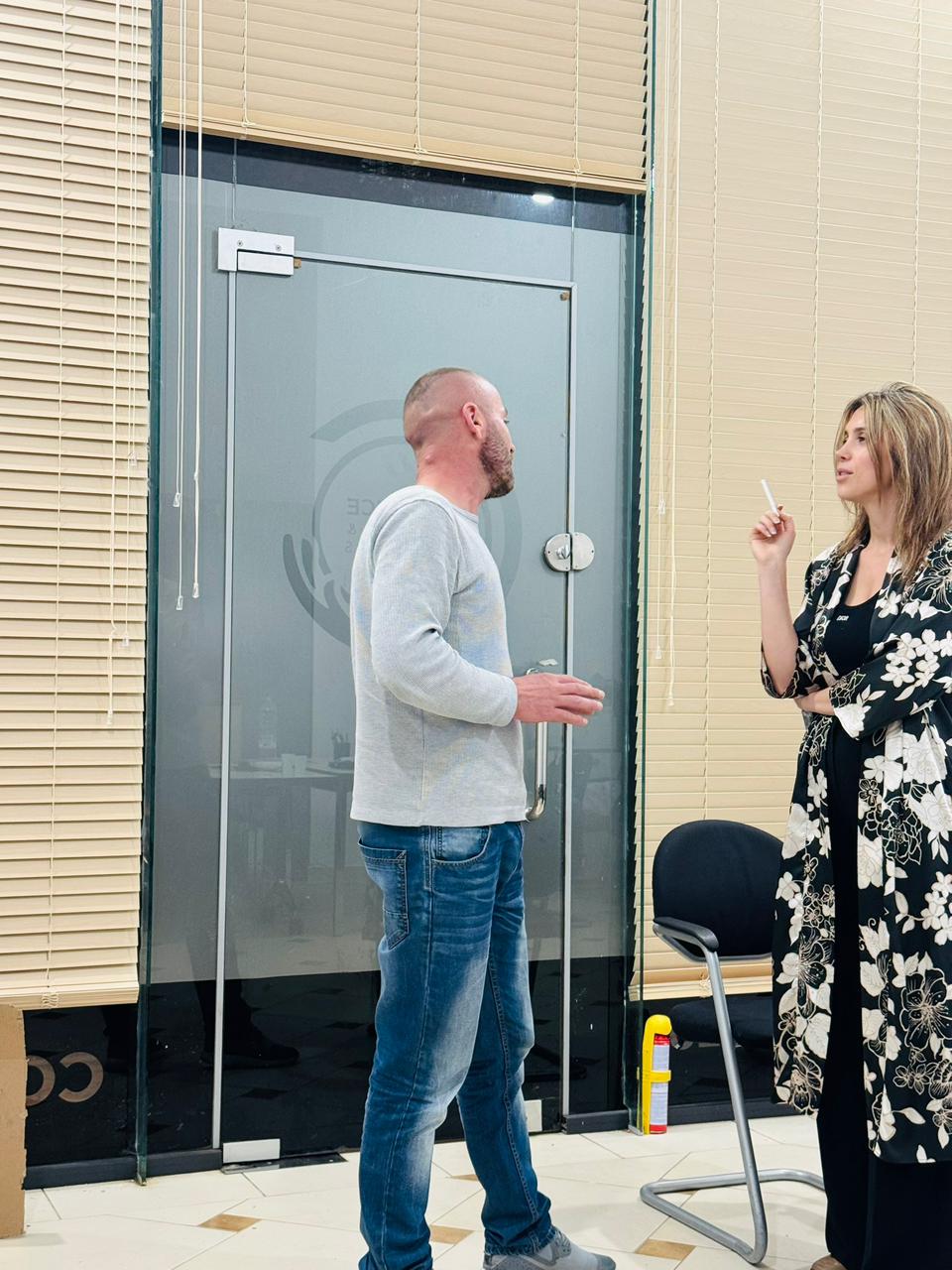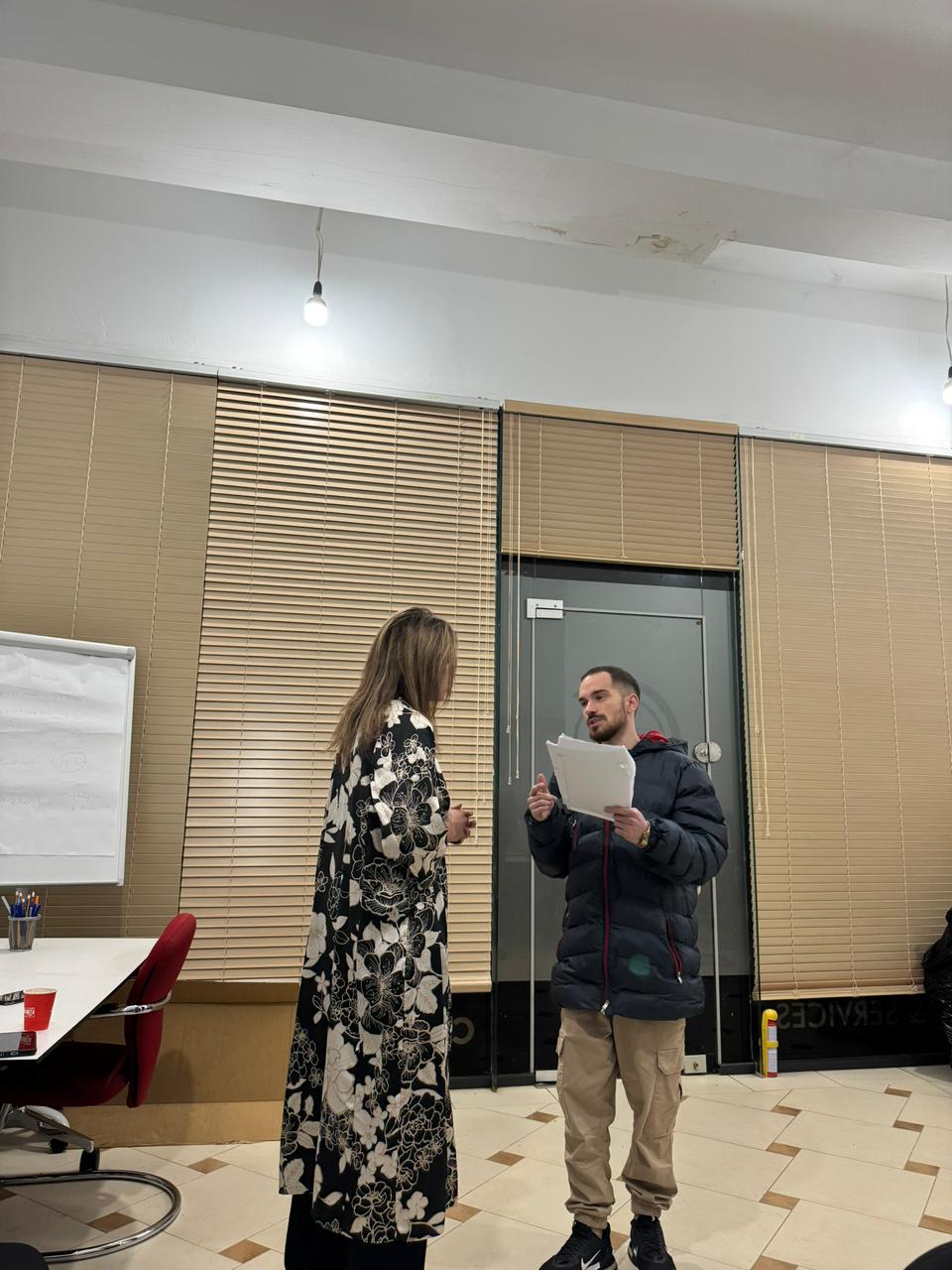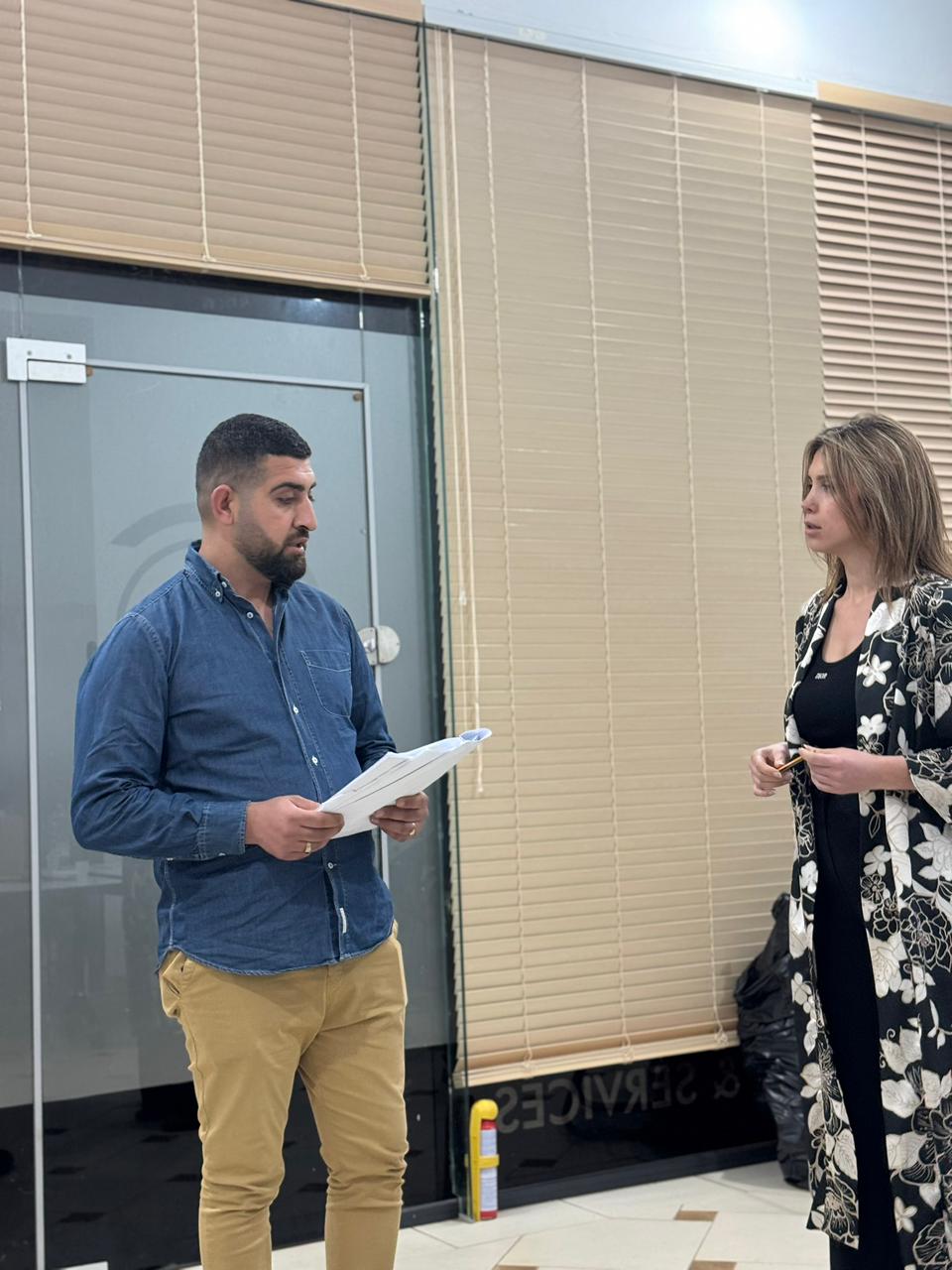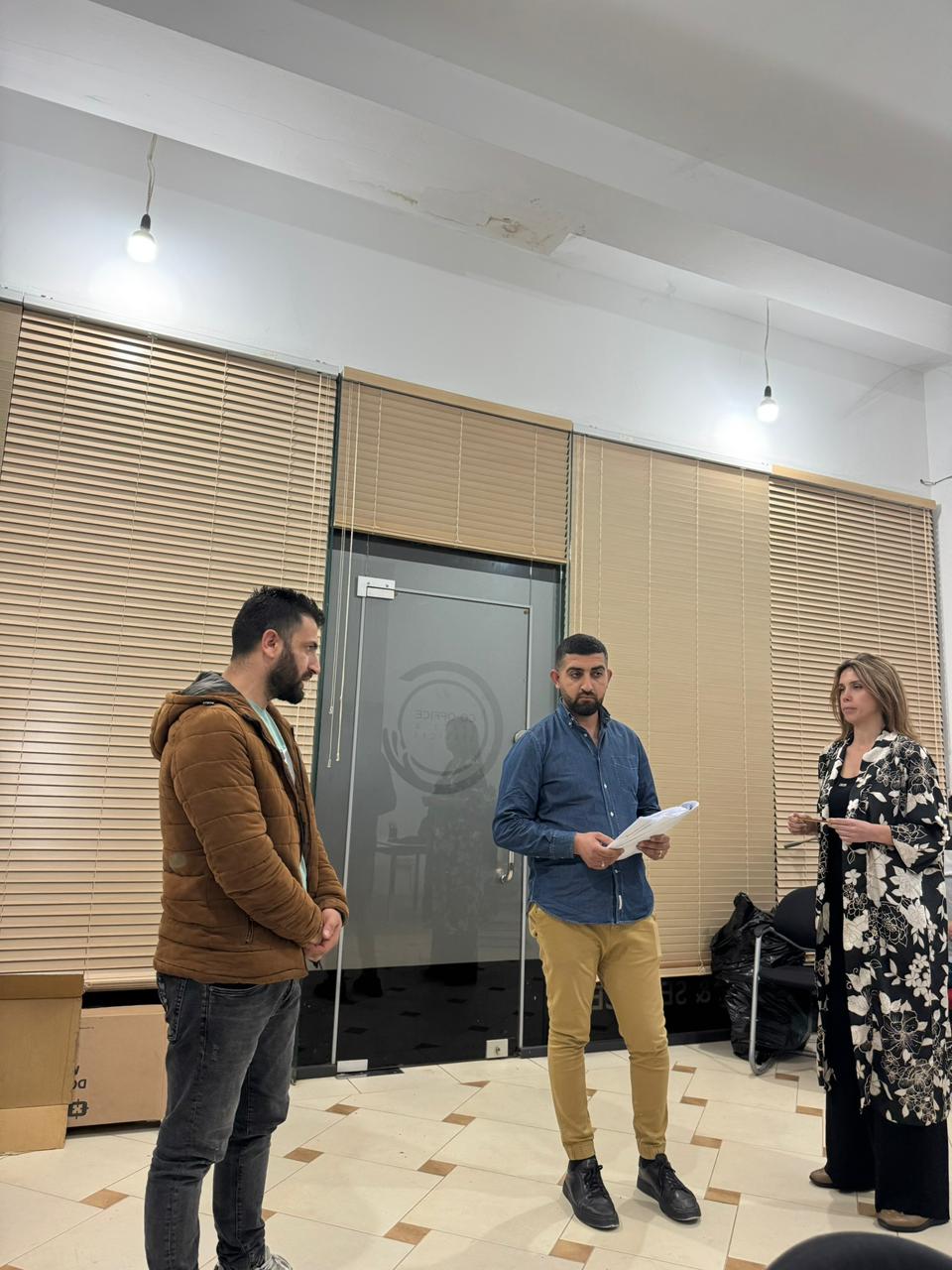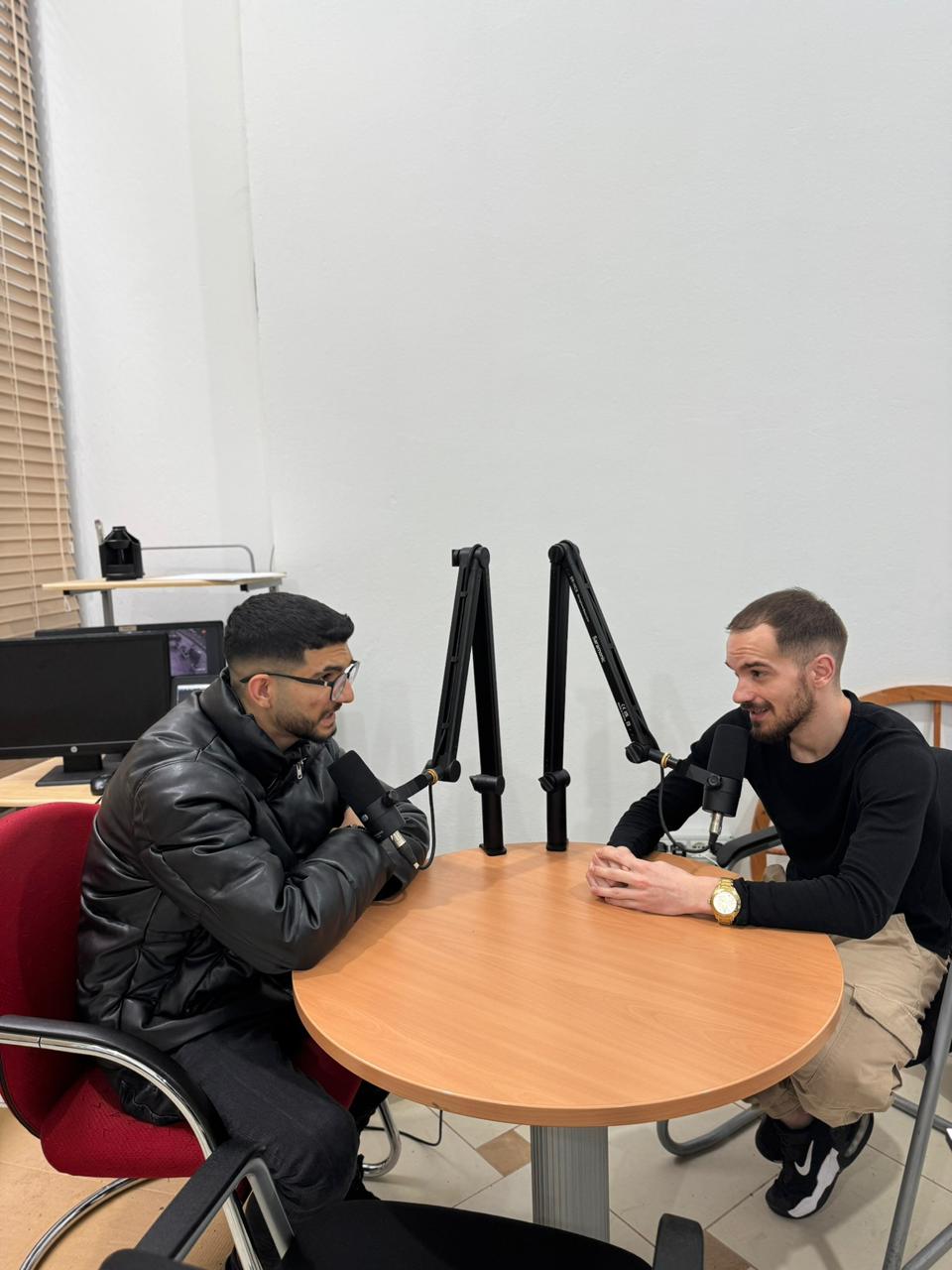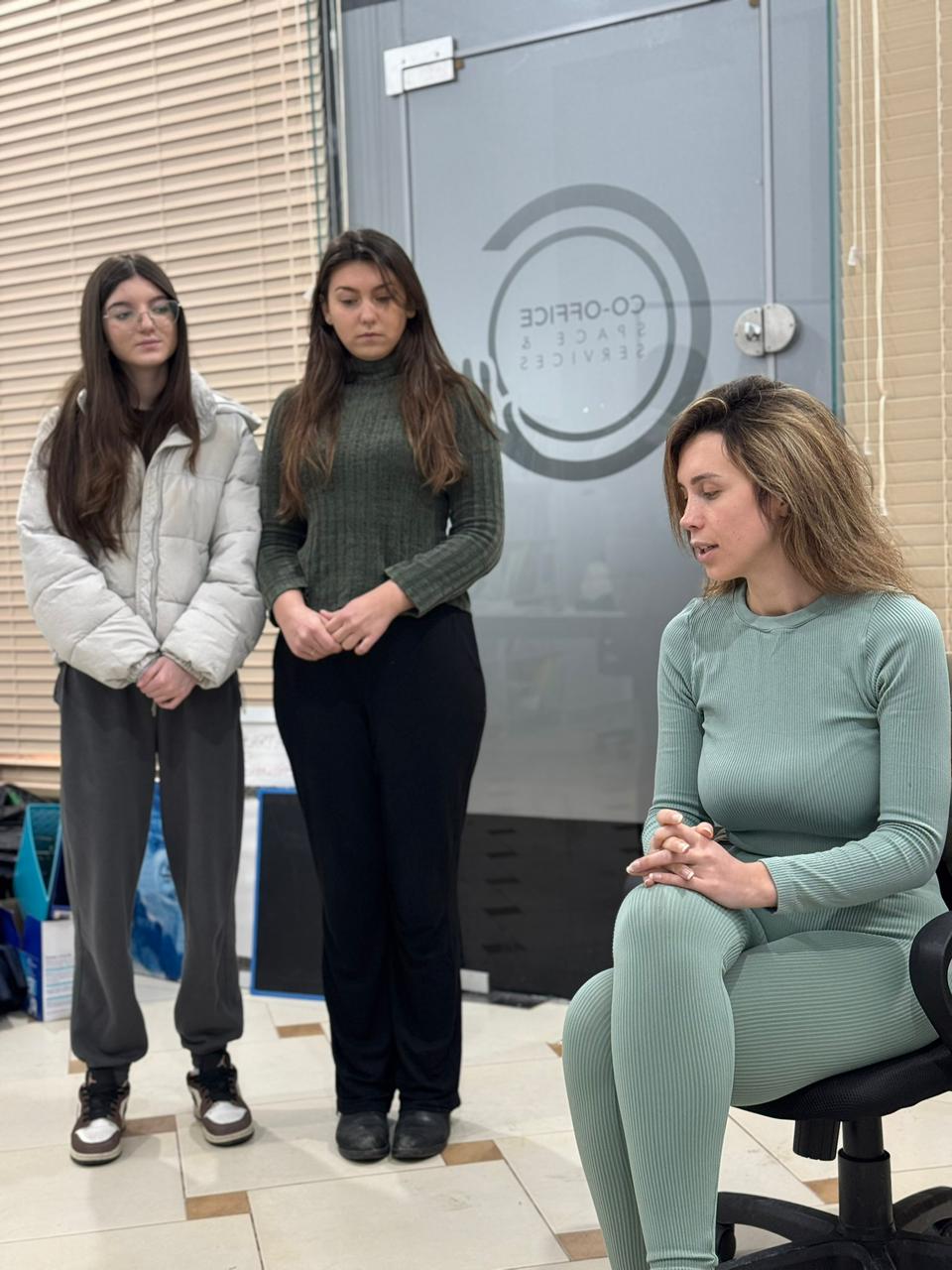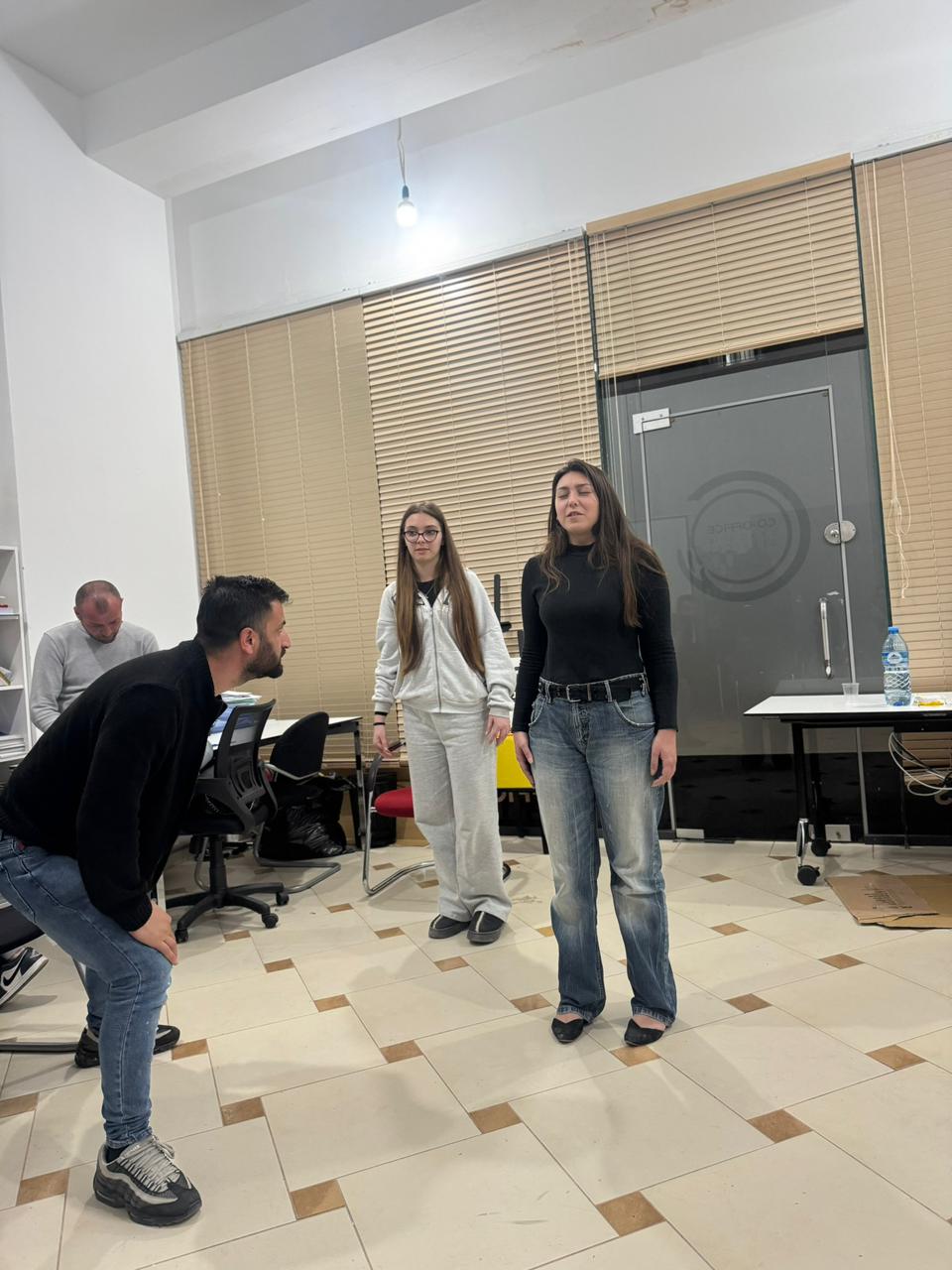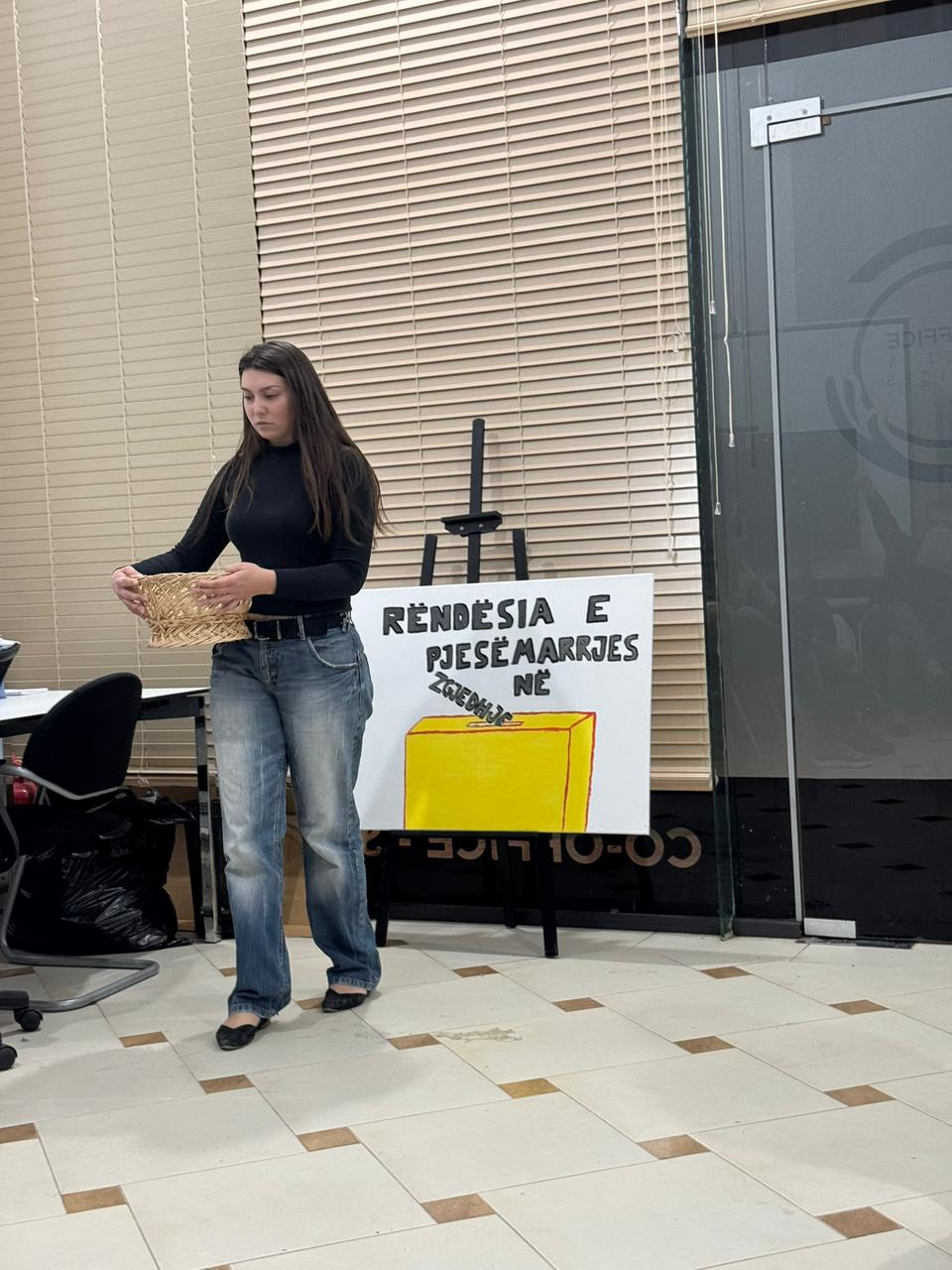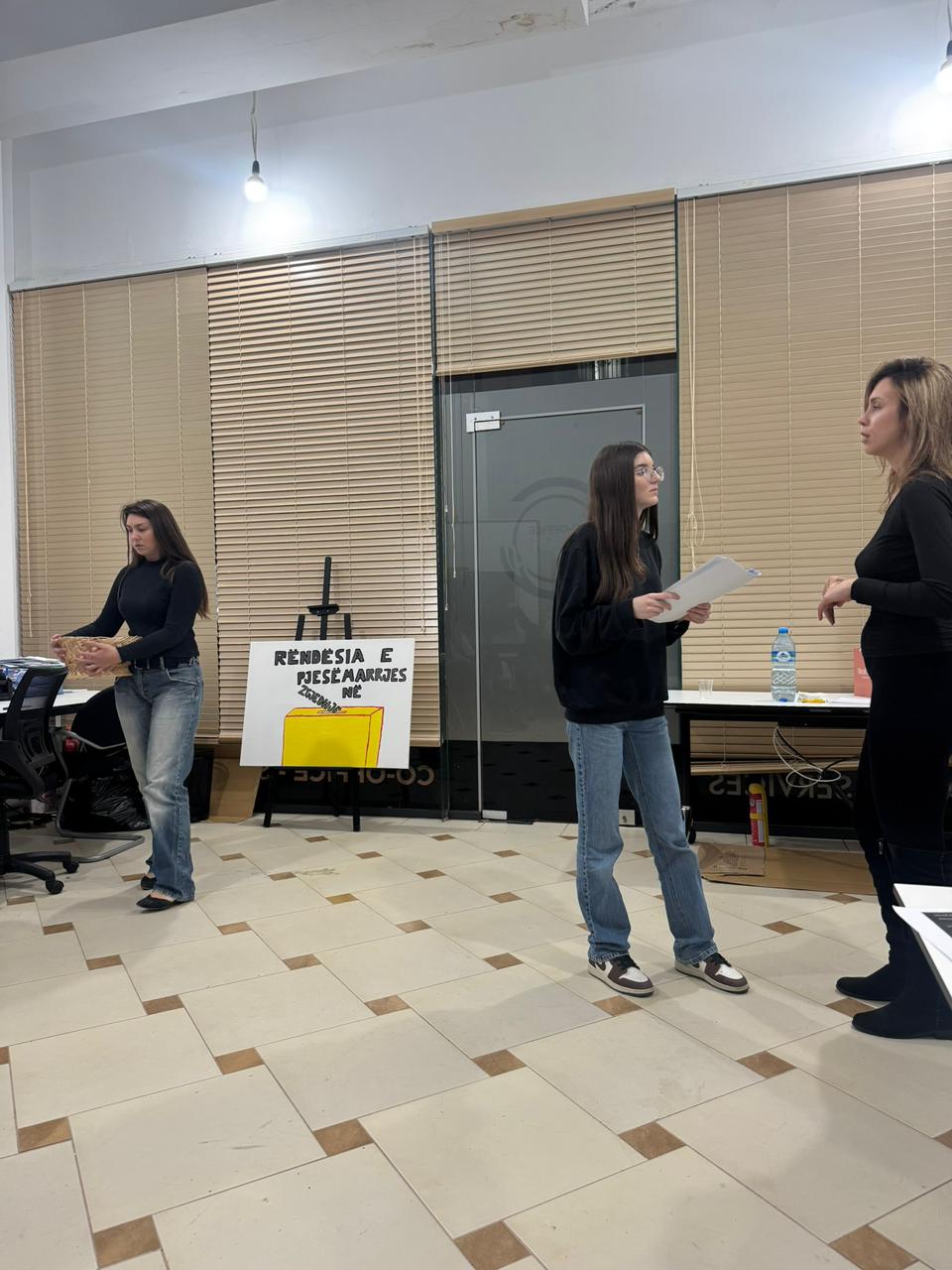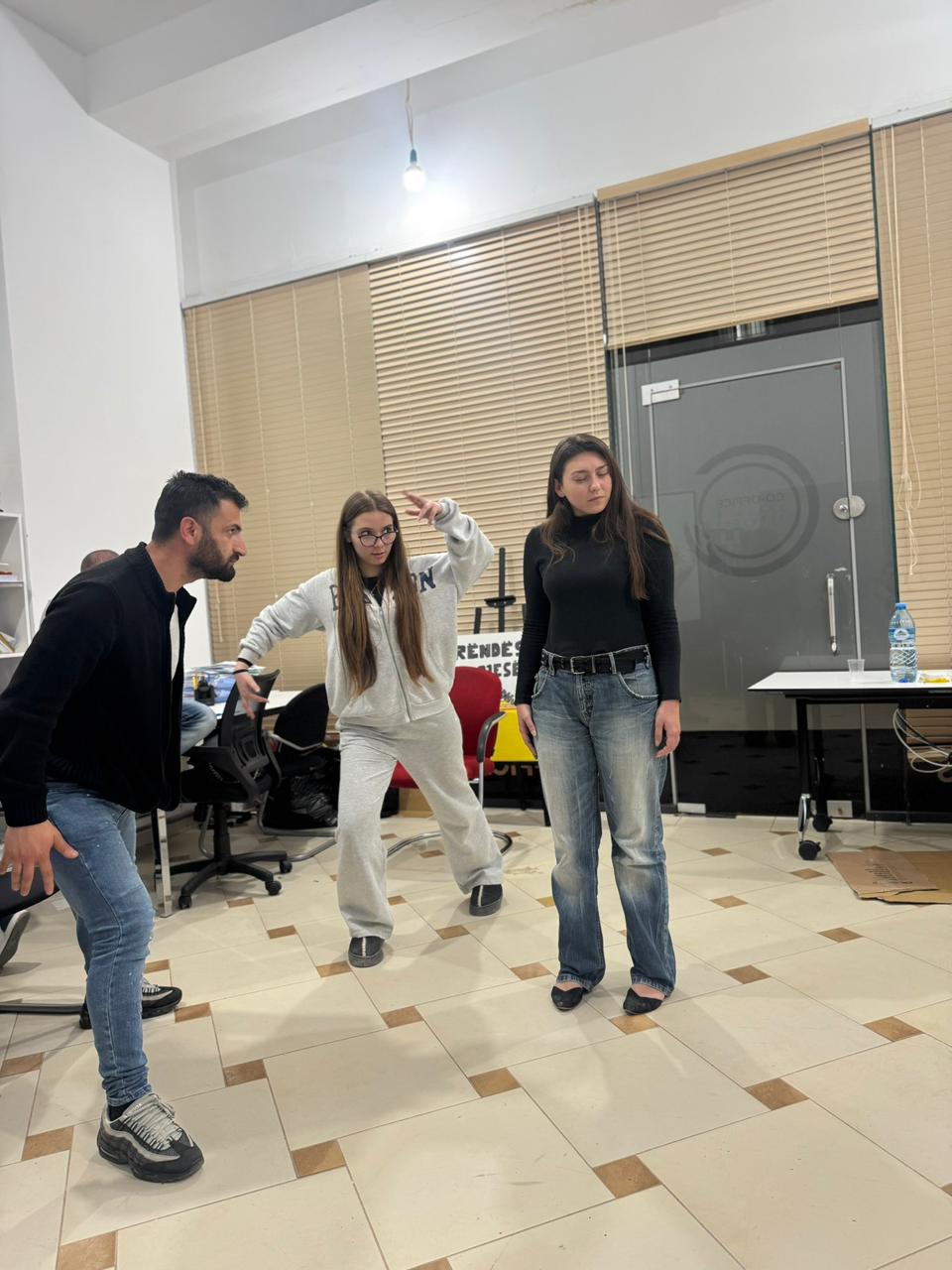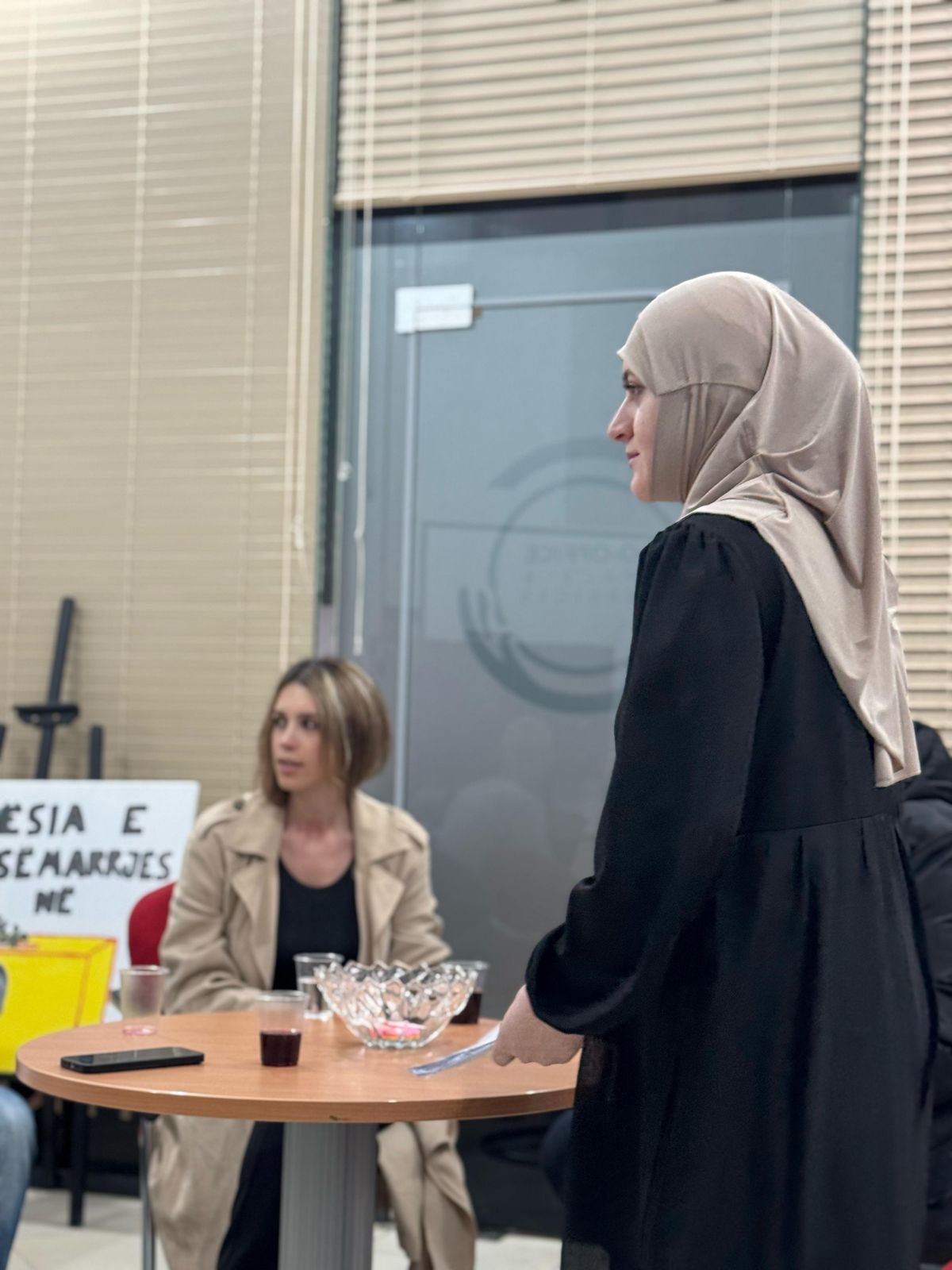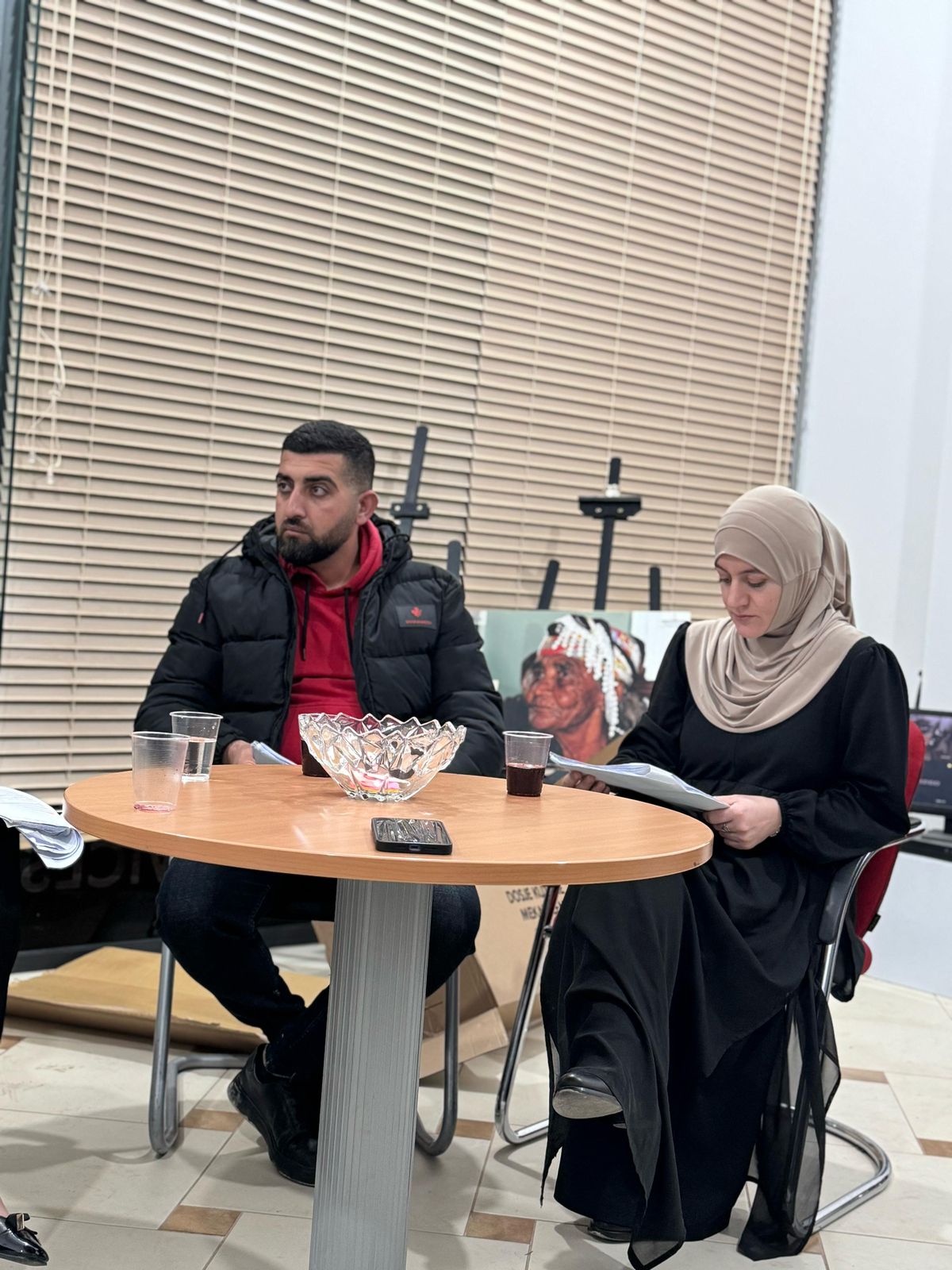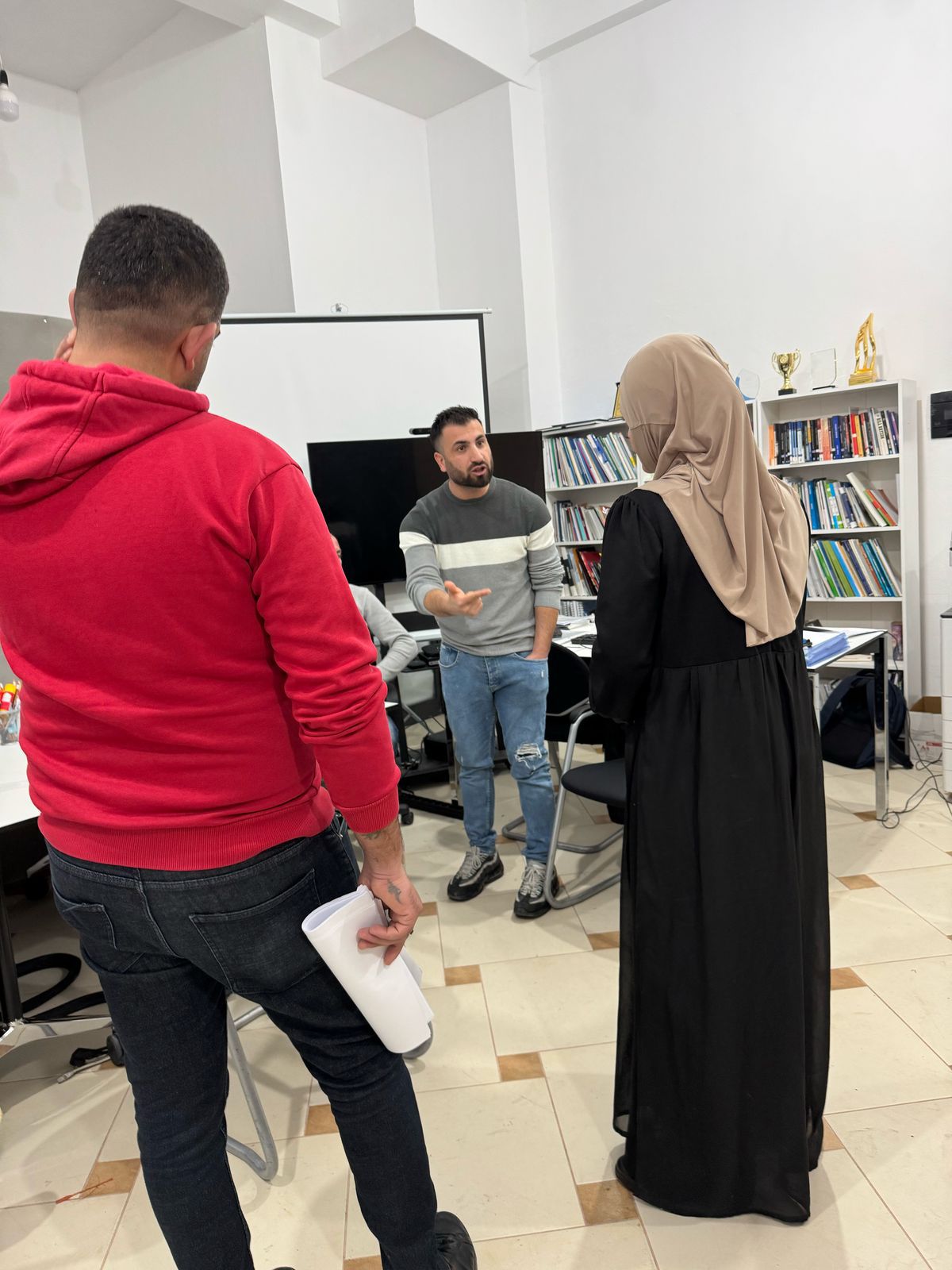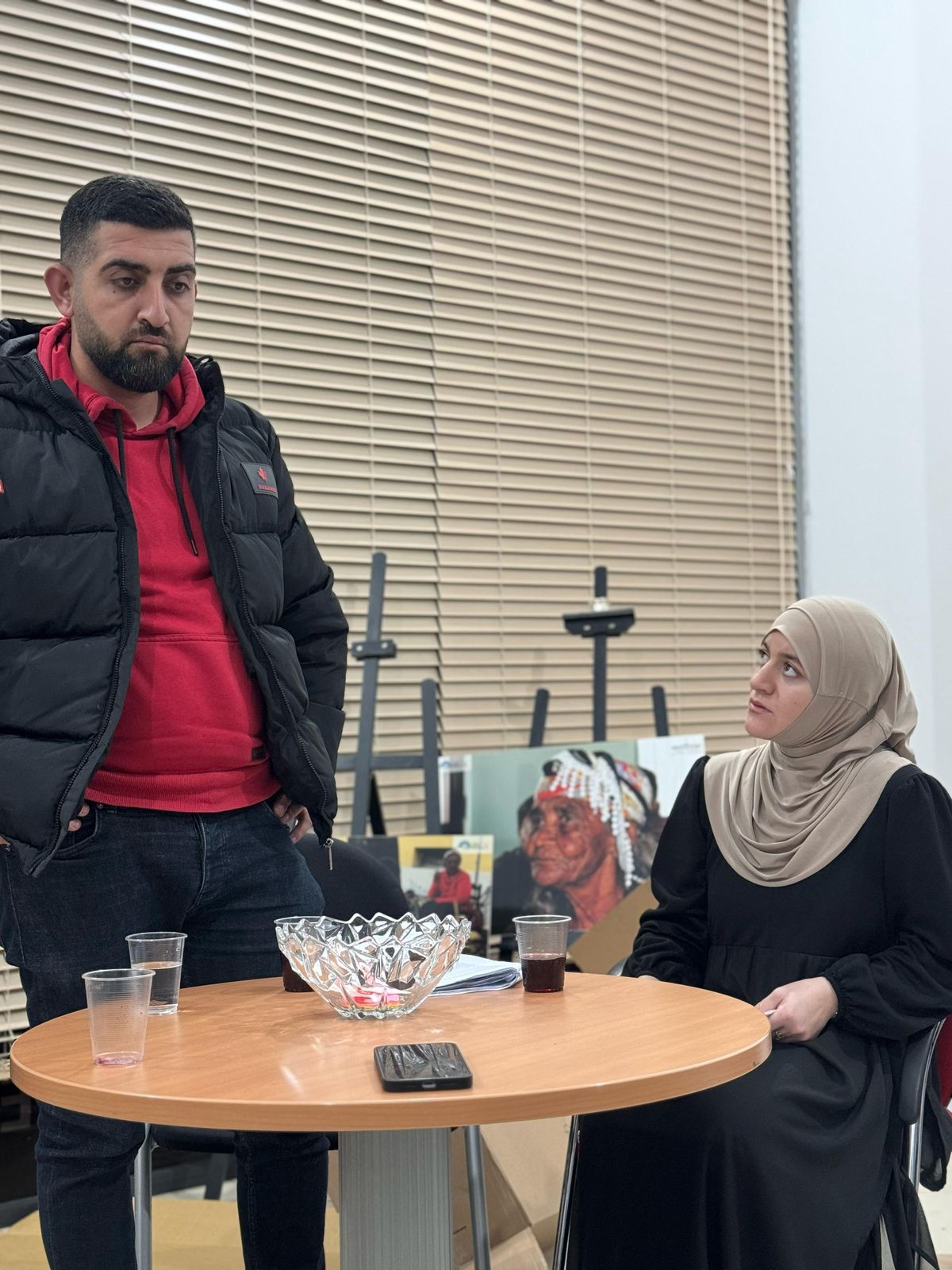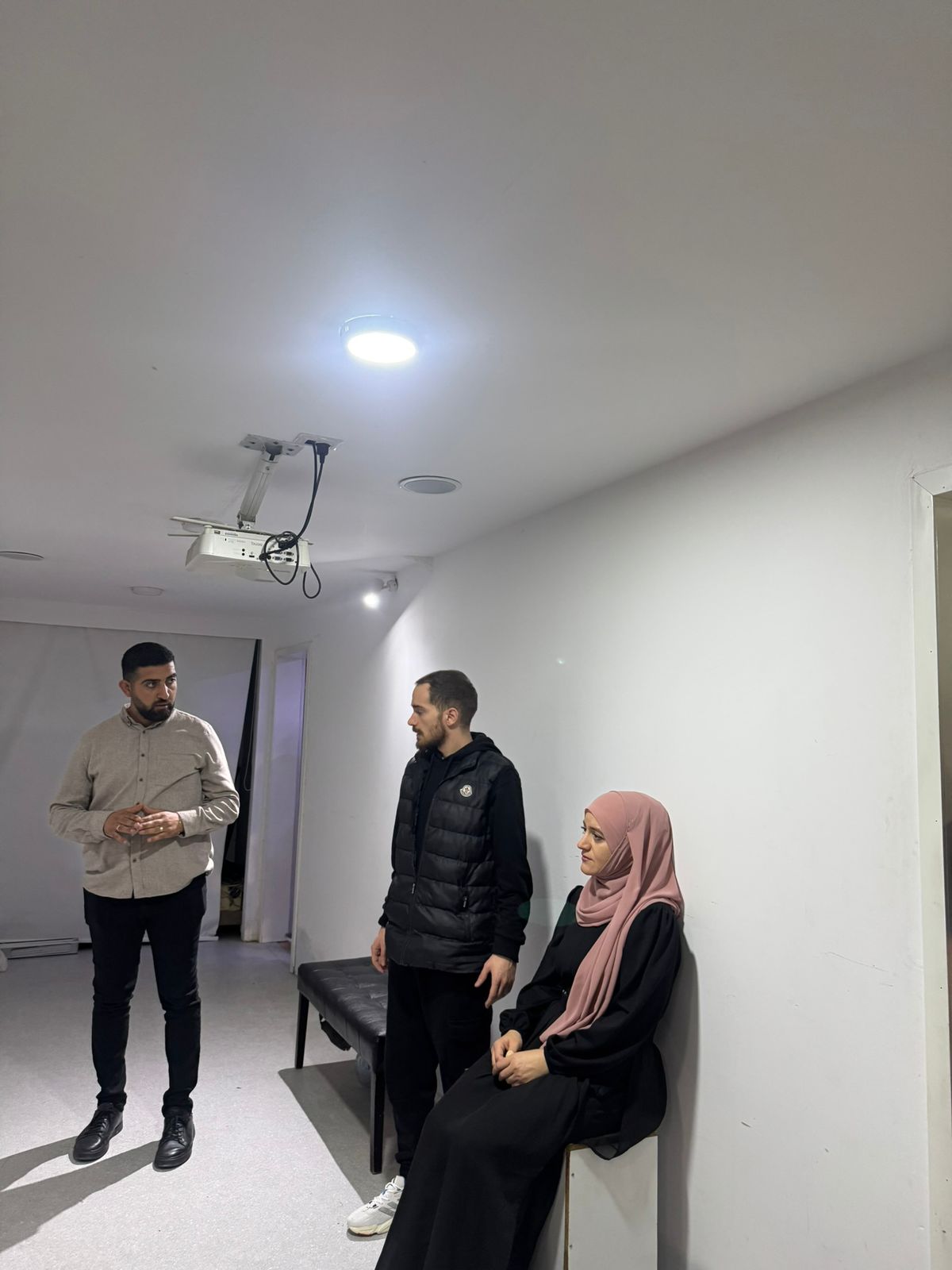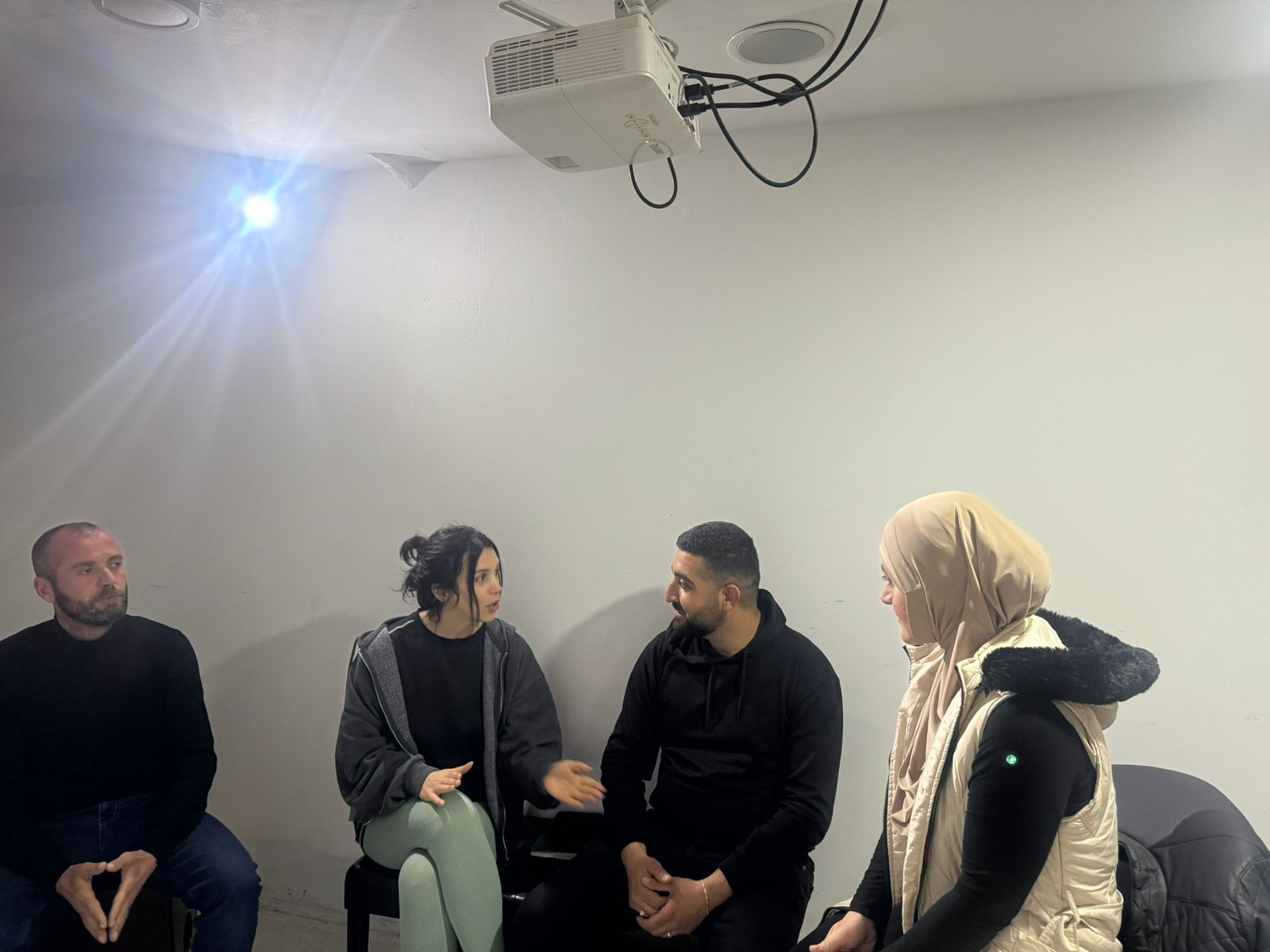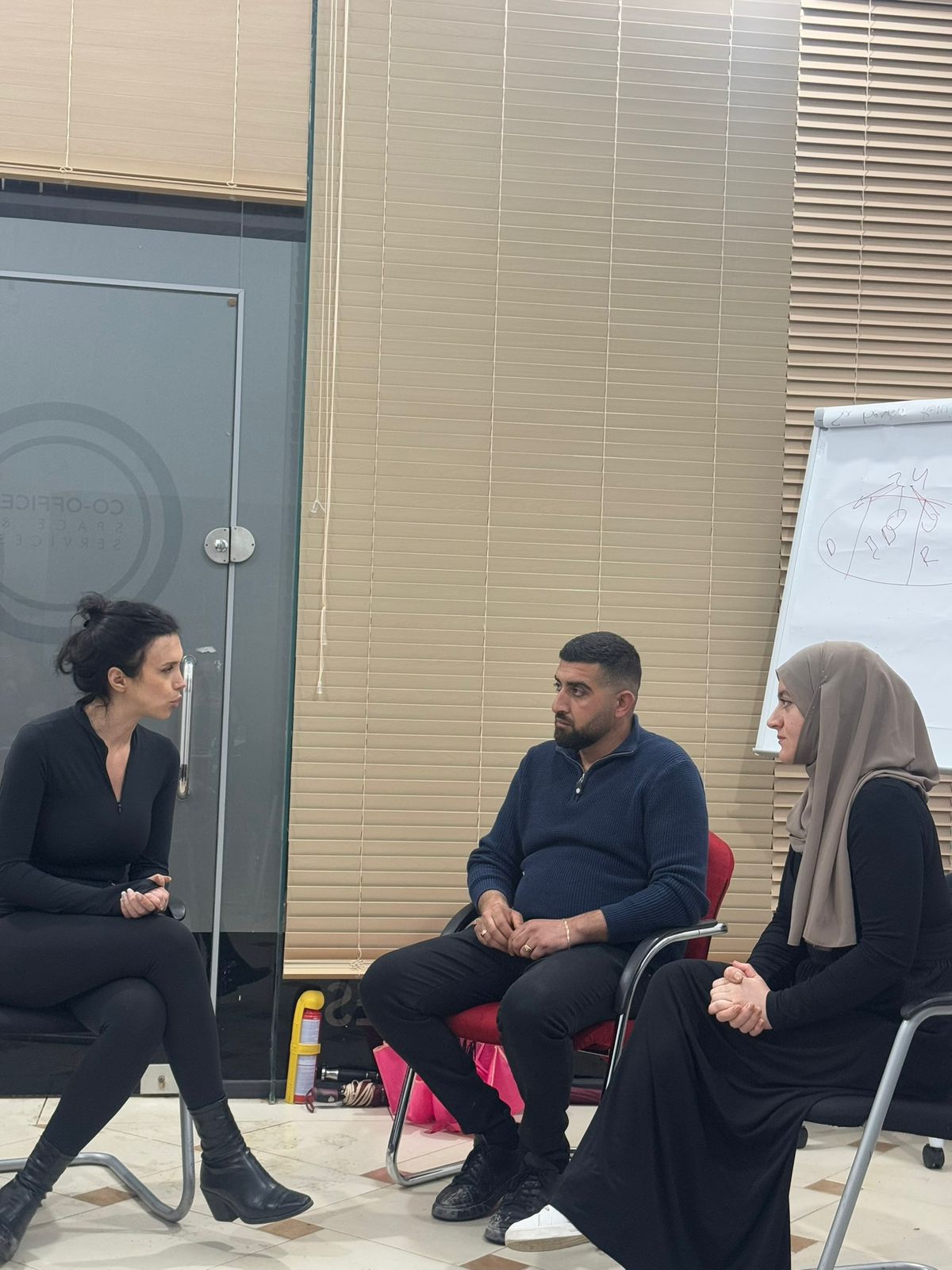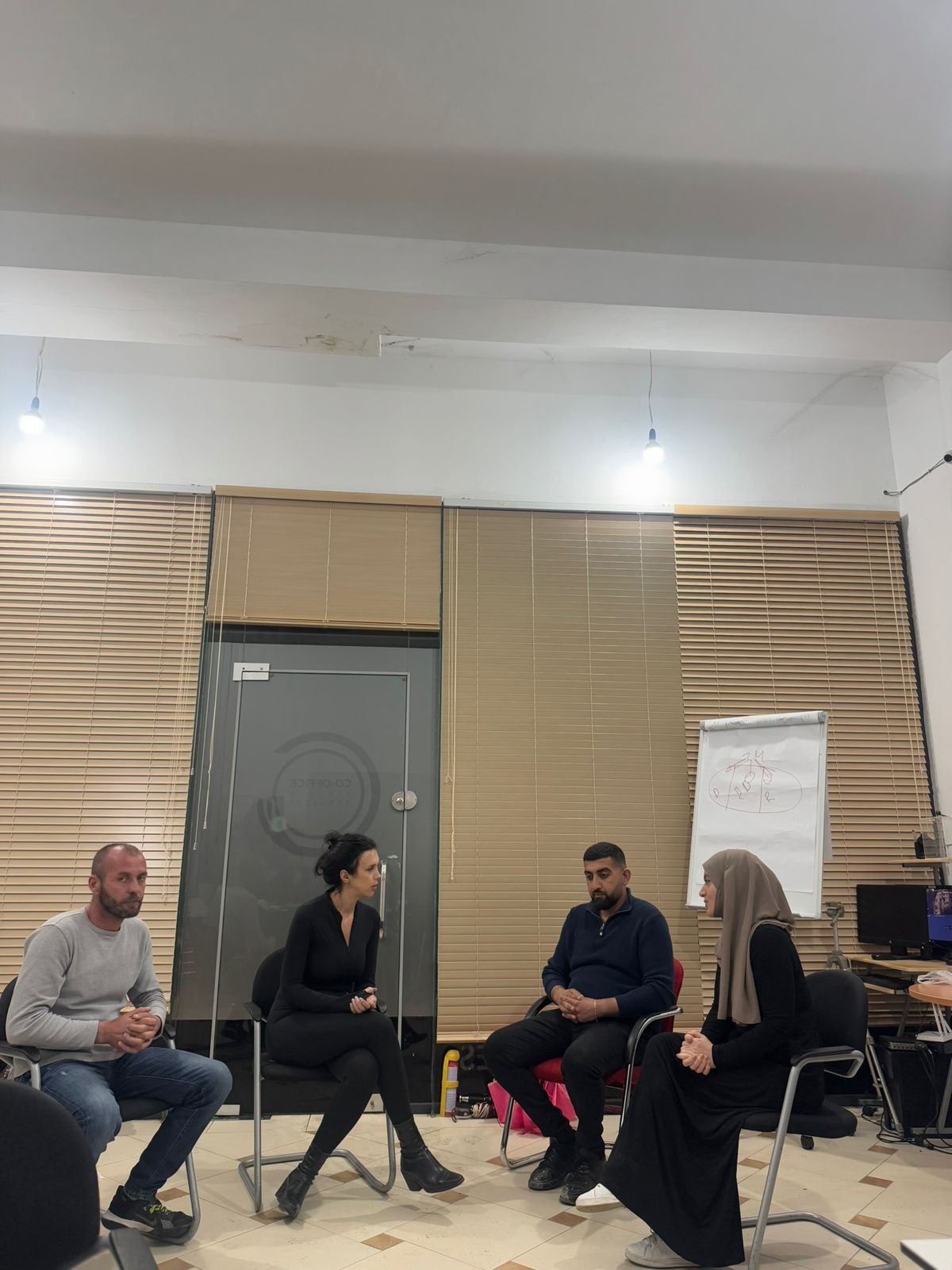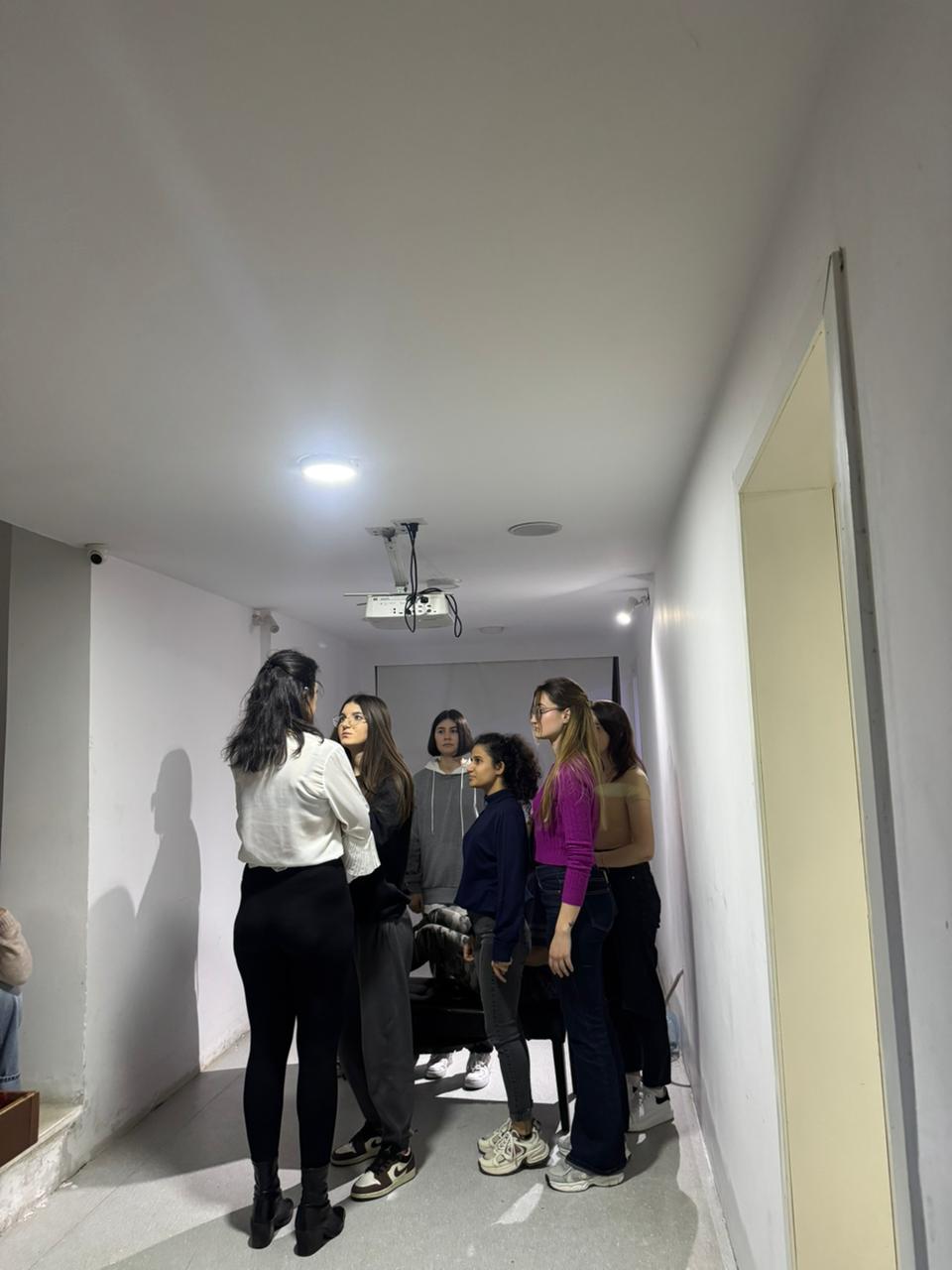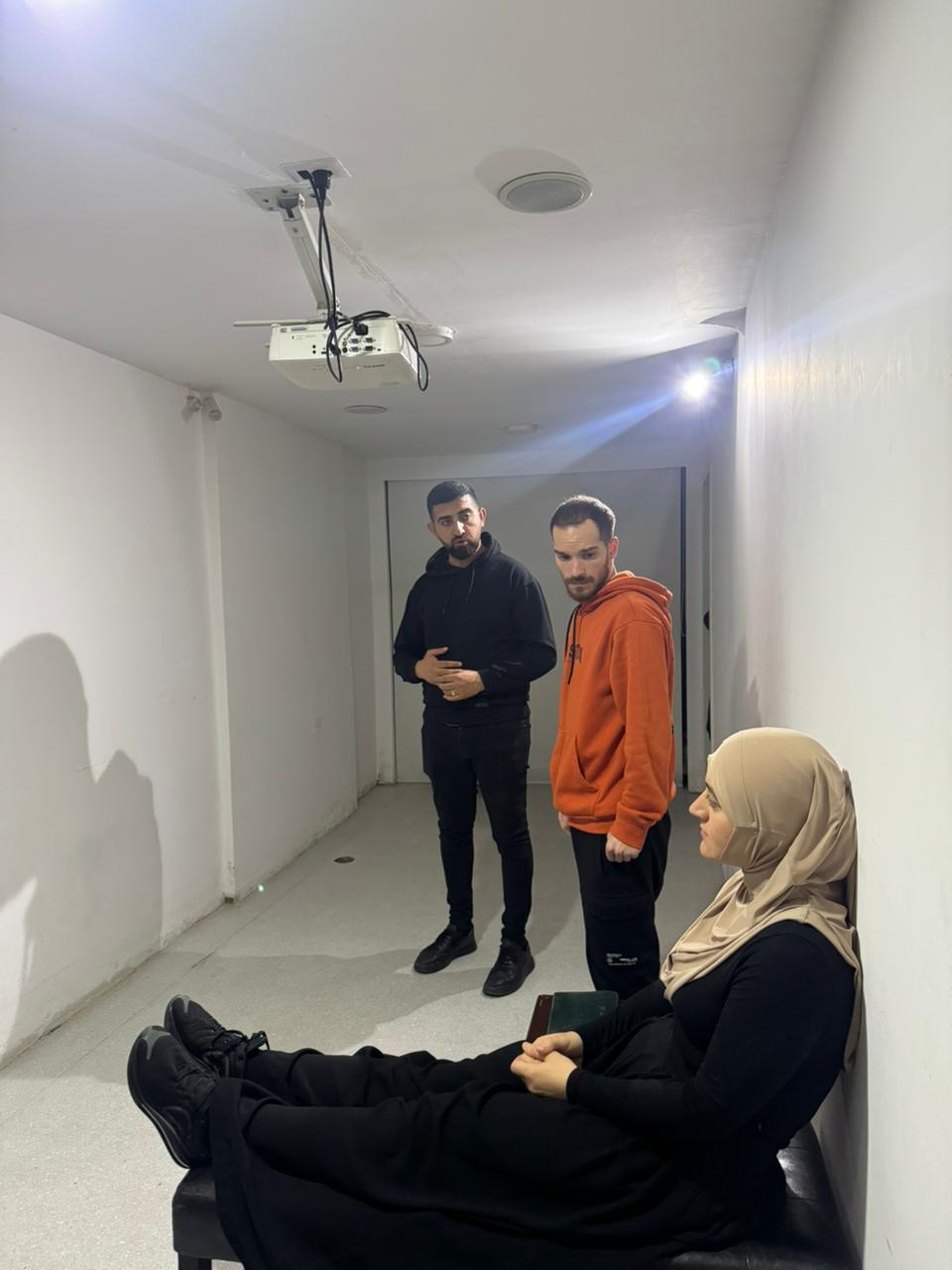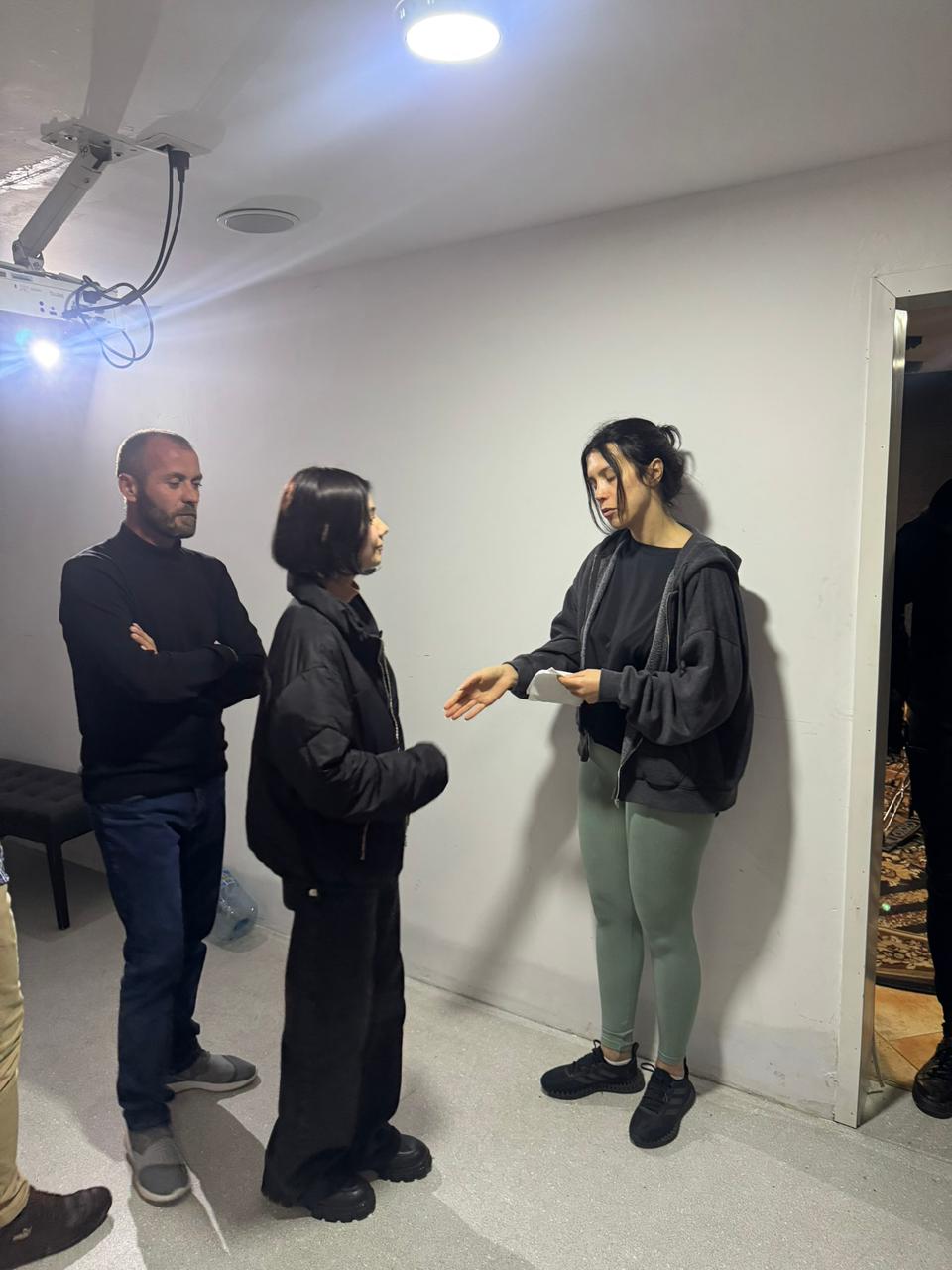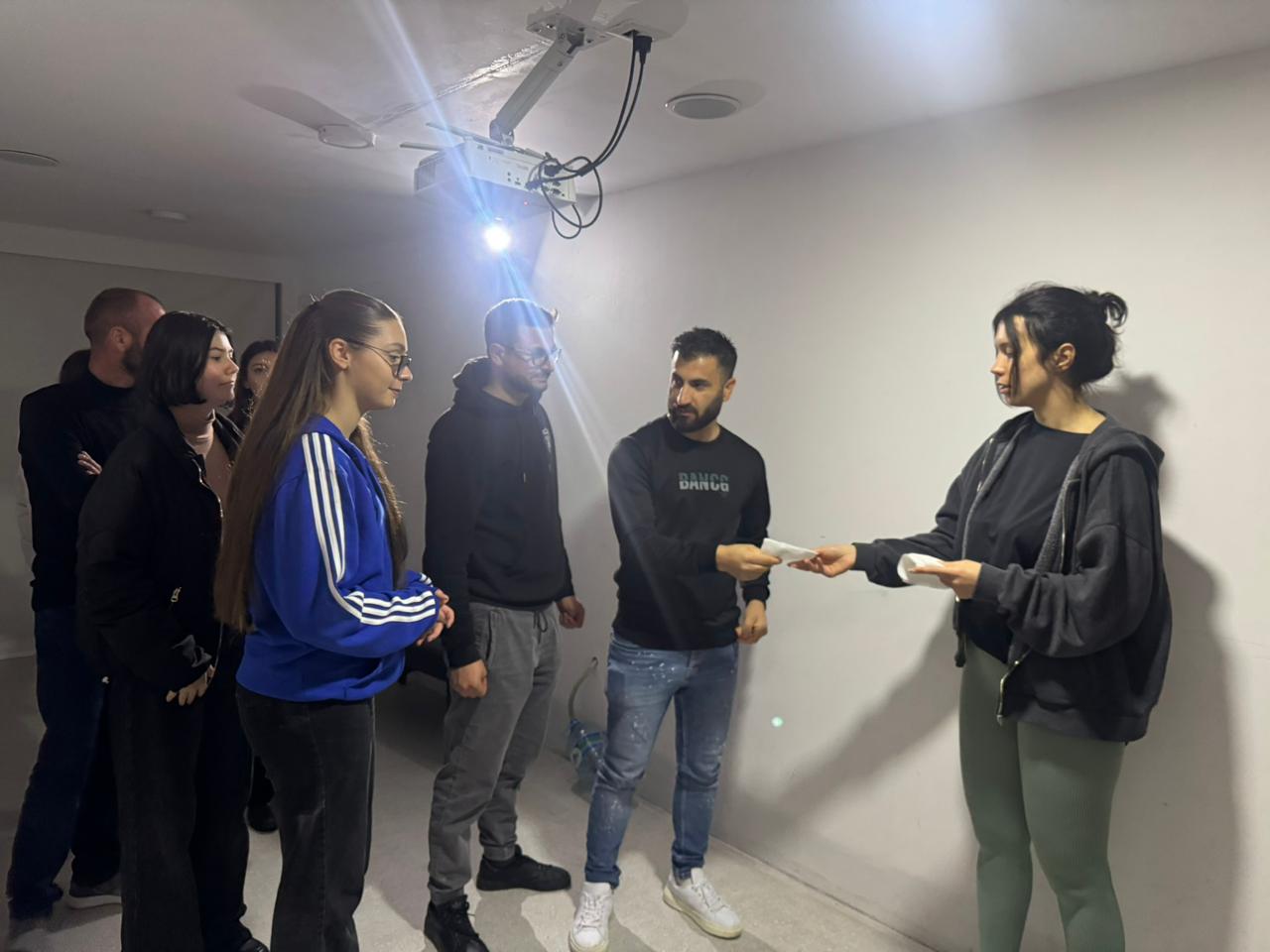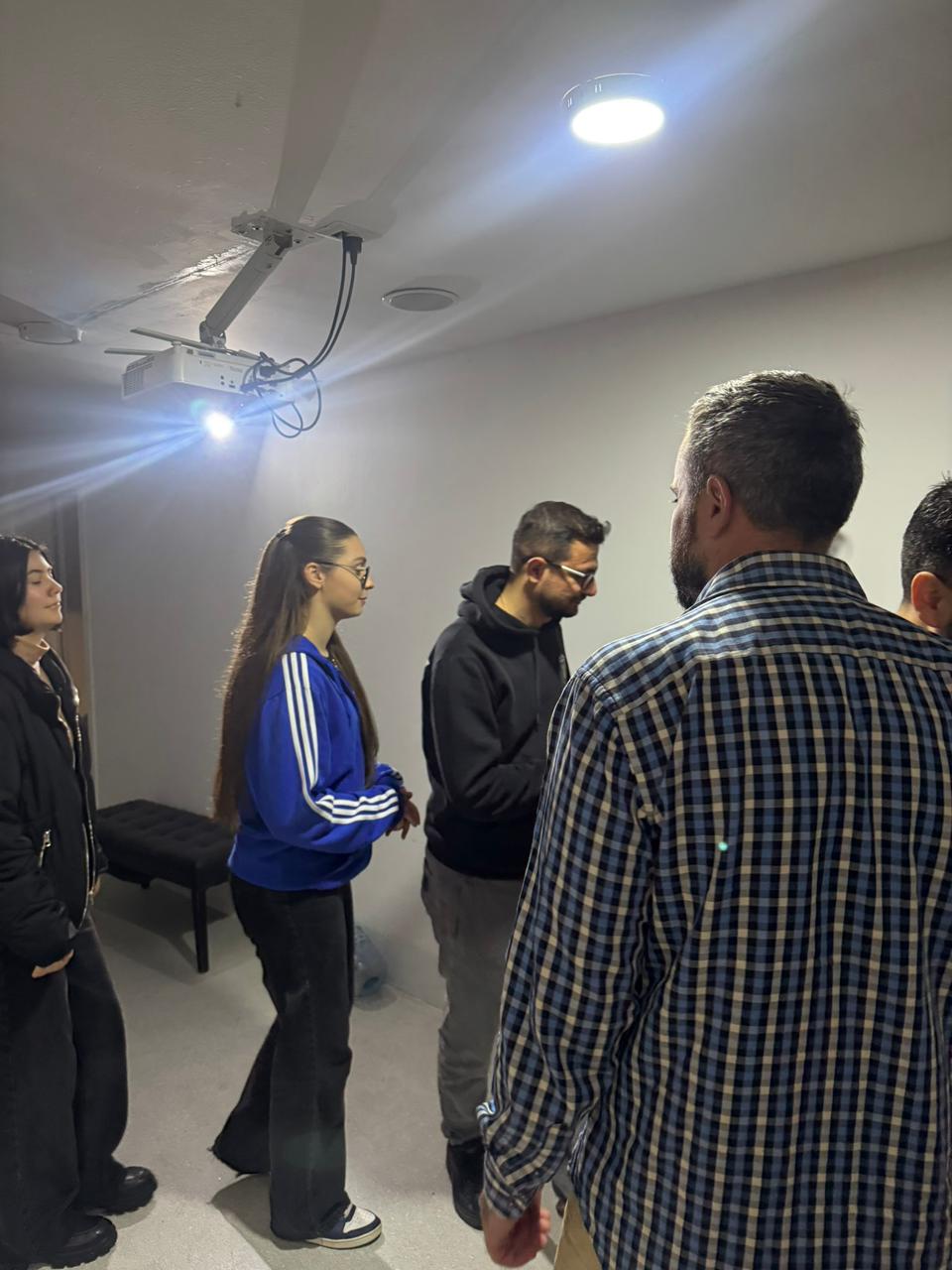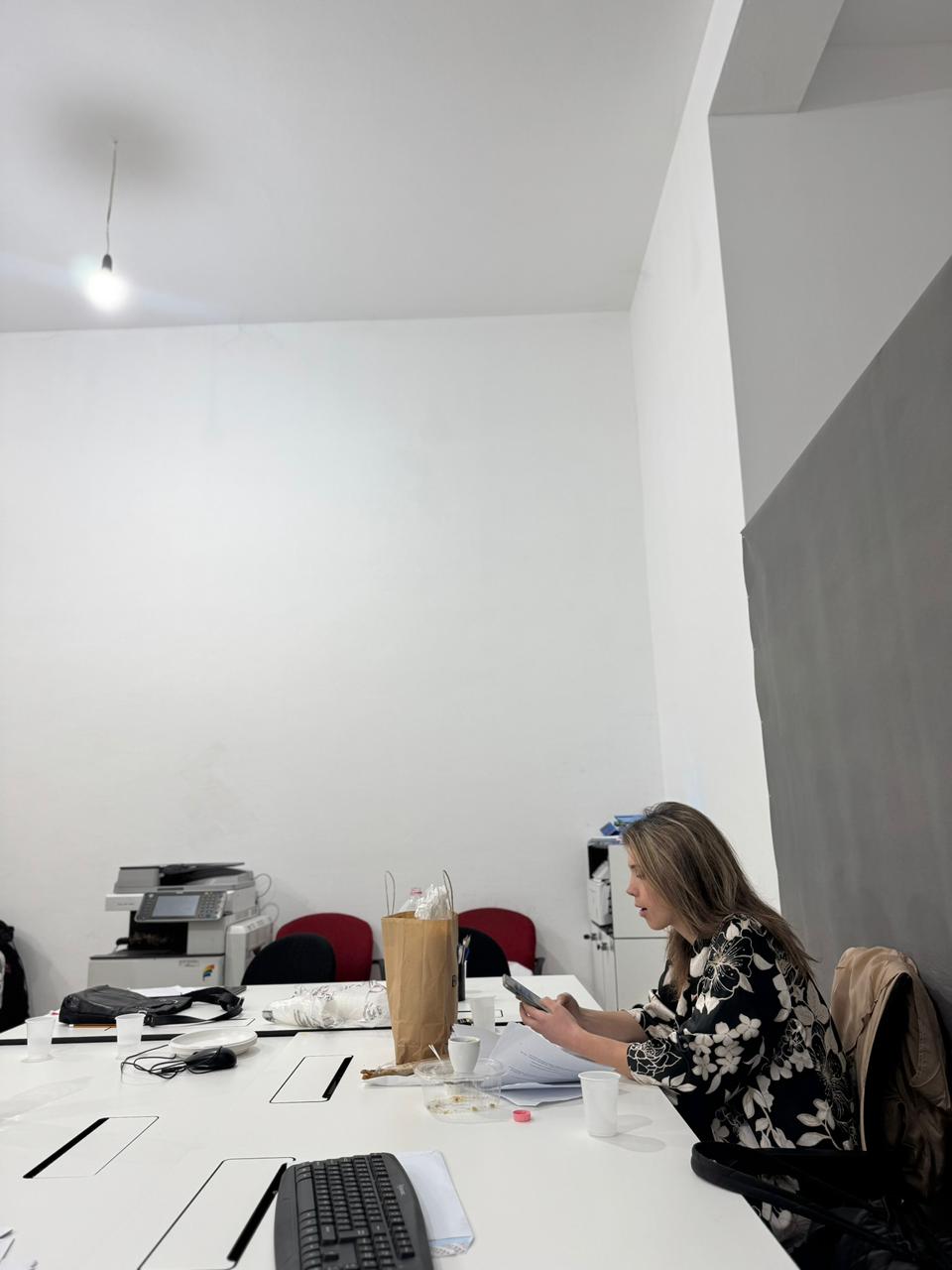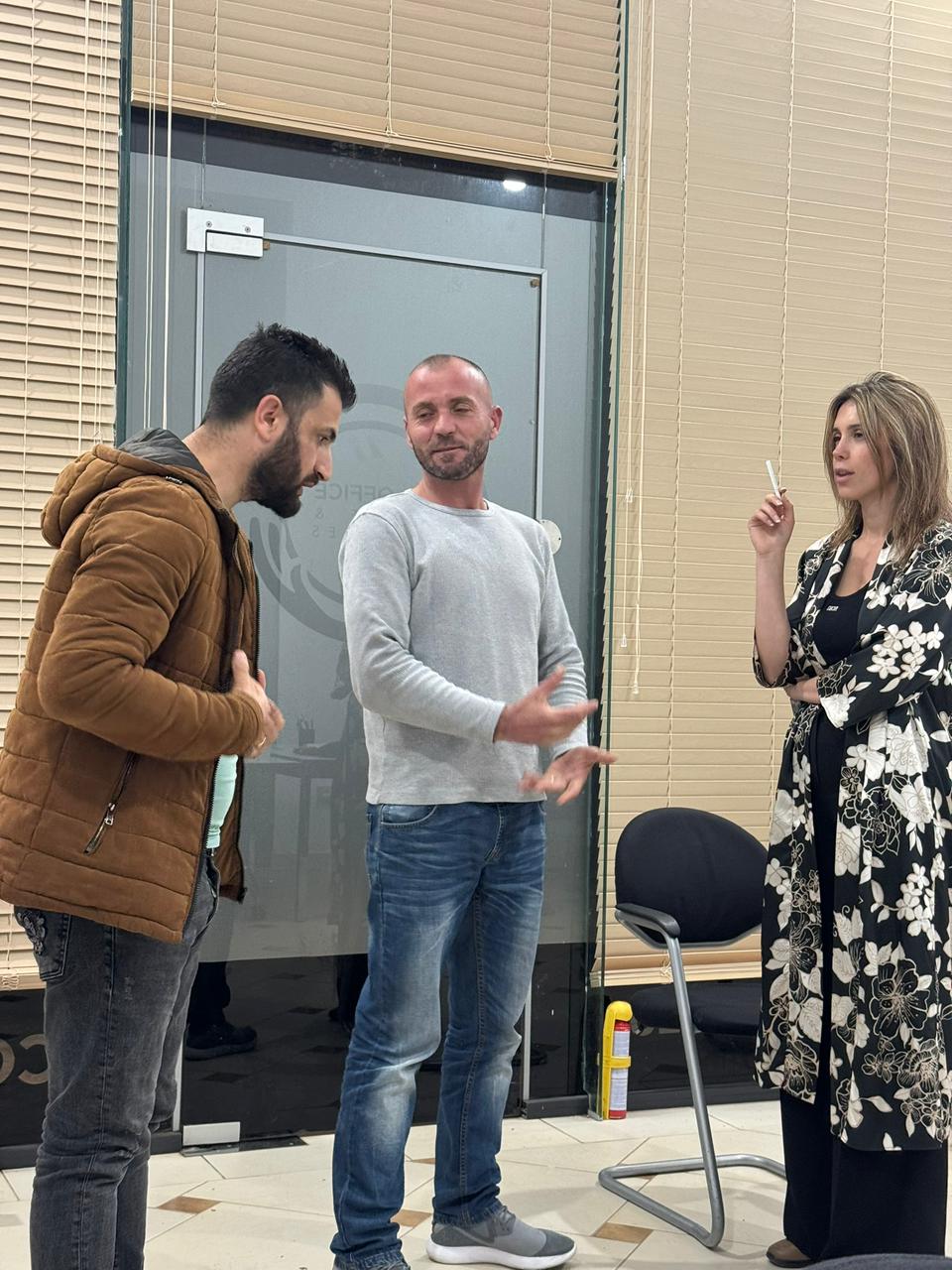


The third and final training cycle brought together all previously acquired skills and knowledge, guiding the participants toward the practical application of art for human rights promotion. Over two days, the youth explored in greater depth how artistic expression—especially theater—can influence public perception, raise awareness, and inspire social change. They examined real examples of activism through art, discussed strategies for communicating strong messages through performance, and reflected on how creativity can amplify marginalized voices. The training focused on the theme “How to Make Use of Art for Human Rights,” encouraging participants to think critically about the role of artists as storytellers, educators, and advocates. They engaged in hands-on activities where they experimented with staging, symbolism, emotional delivery, and audience interaction to build performances that are not only engaging but transformative. The youth also worked on refining material for their upcoming drama show, integrating human rights concepts with theatrical techniques developed during previous cycles. By the end of this training, participants had developed a stronger artistic identity and the ability to design performances that stimulate dialogue, challenge discriminatory attitudes, and promote inclusion. This cycle ensured they were fully prepared—both artistically and conceptually—to deliver a powerful theater production with a clear social impact.
DD–Diversity Drama: Empowering Roma and Non-Roma Youth for Diversity, Inclusion, and Human Rights is implemented by IRCA, with funding from the European Youth Foundation of the Council of Europe.