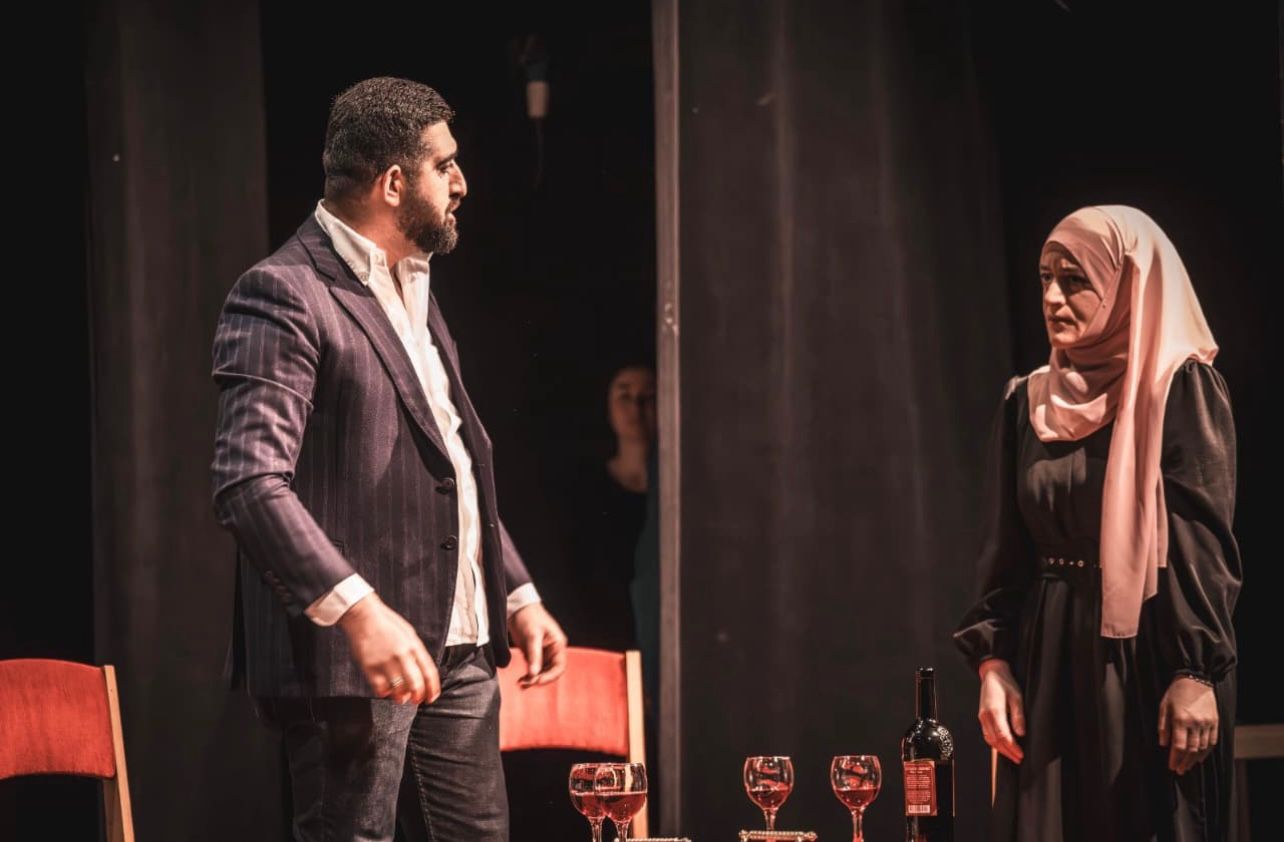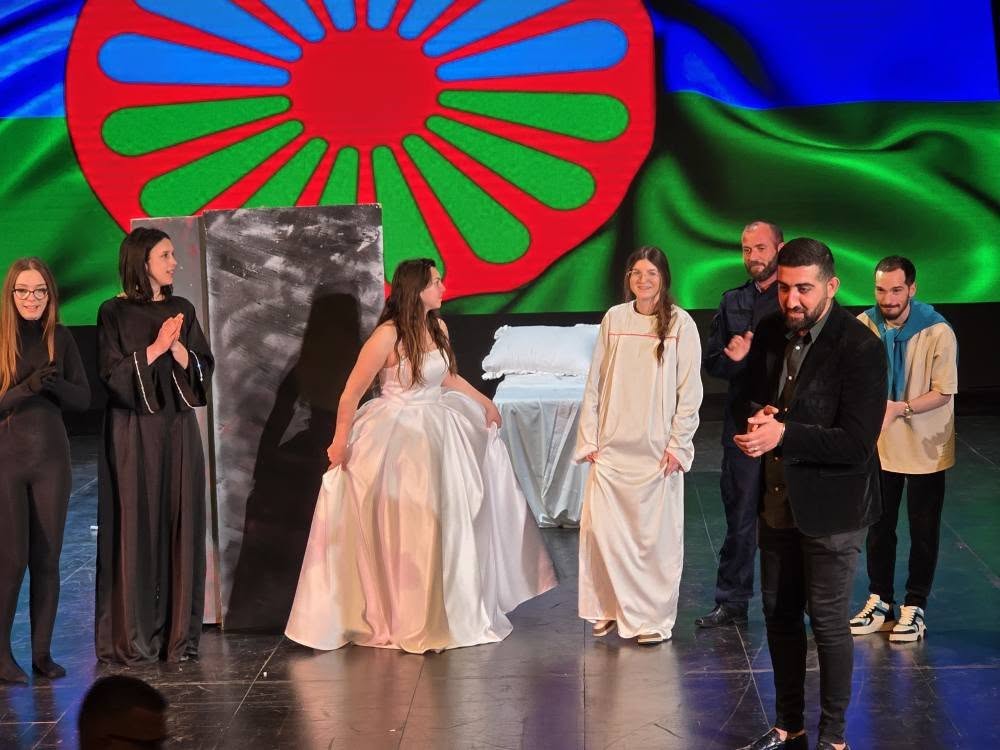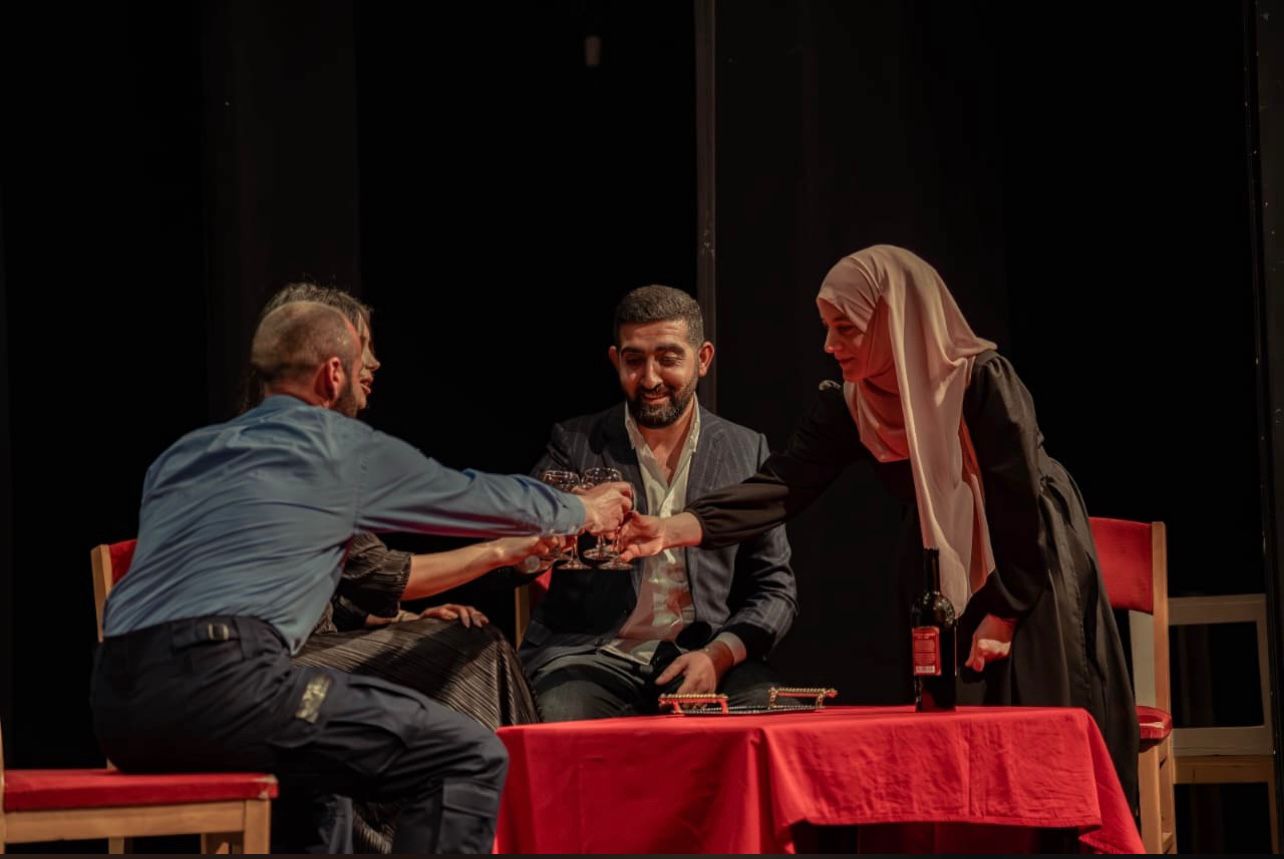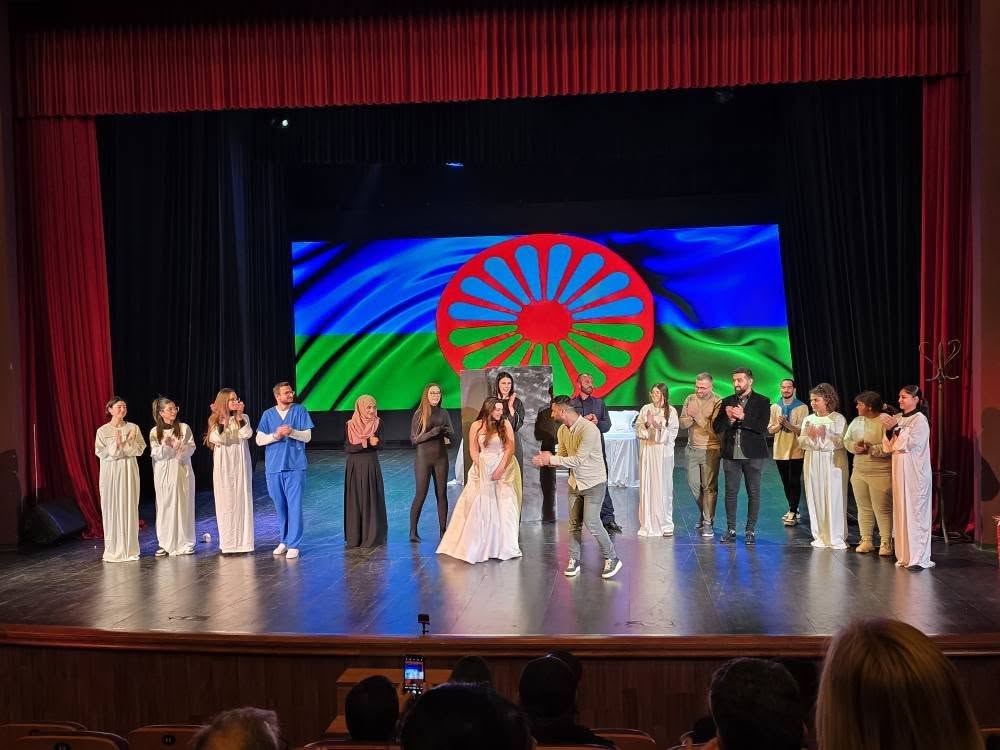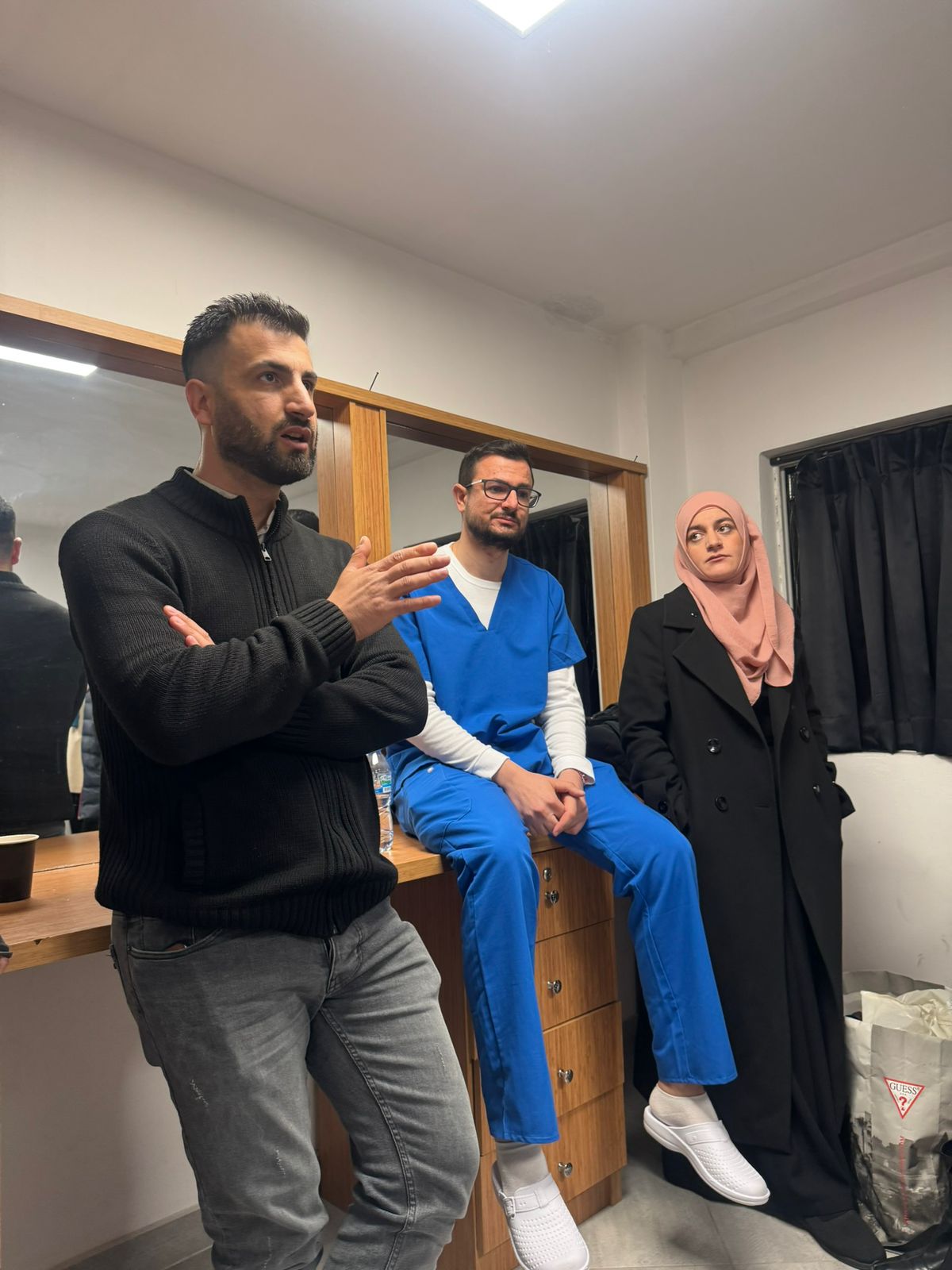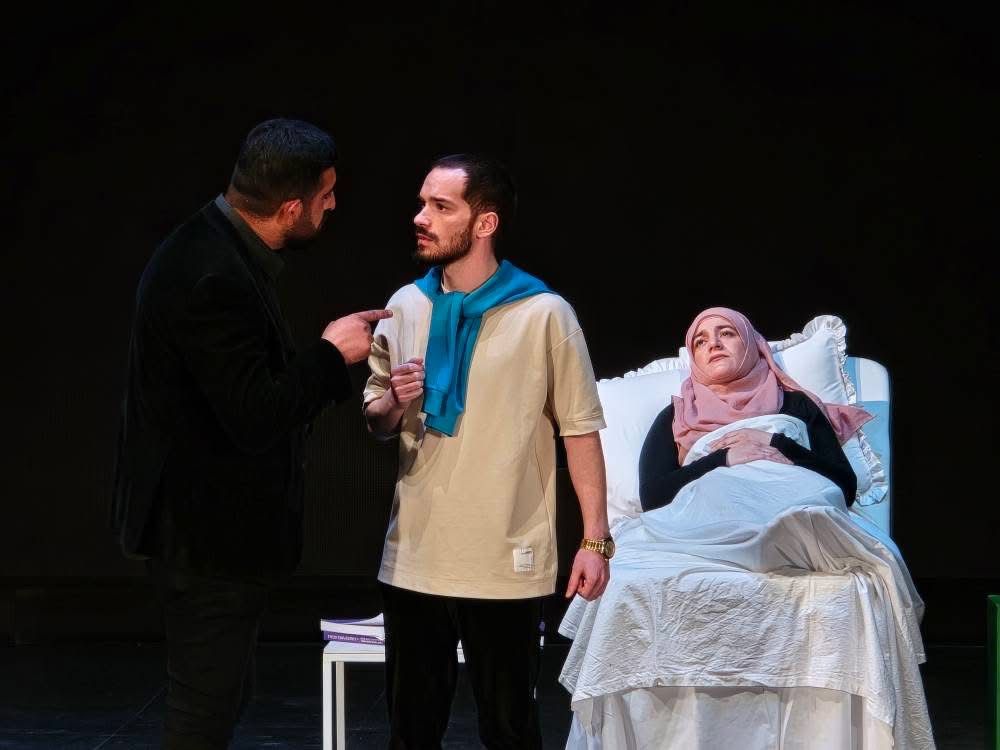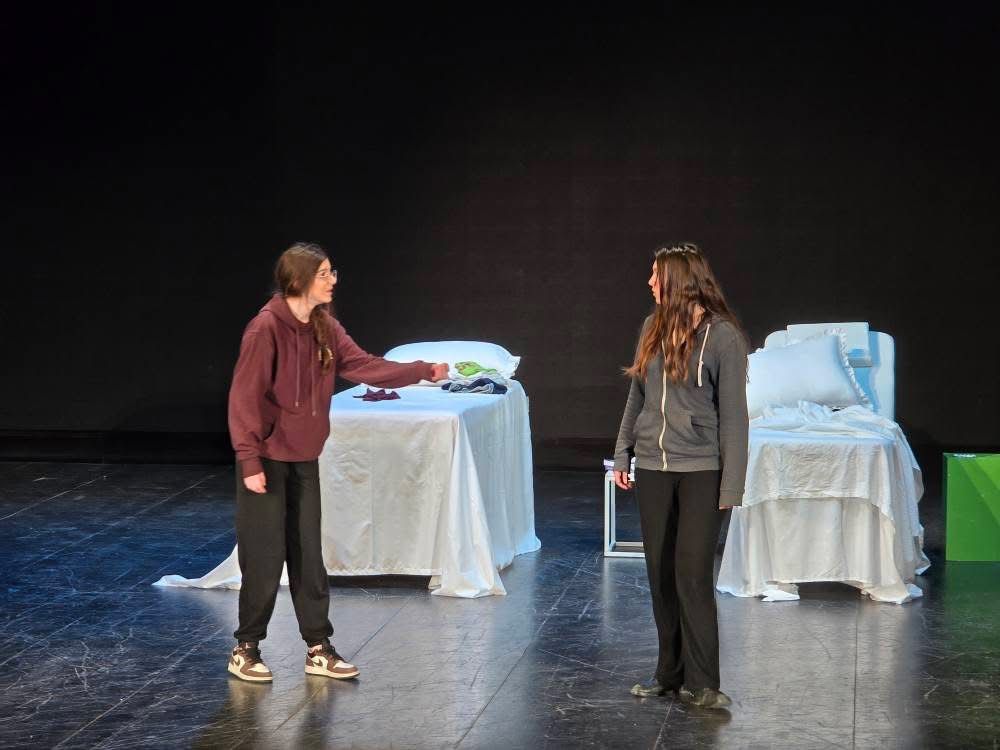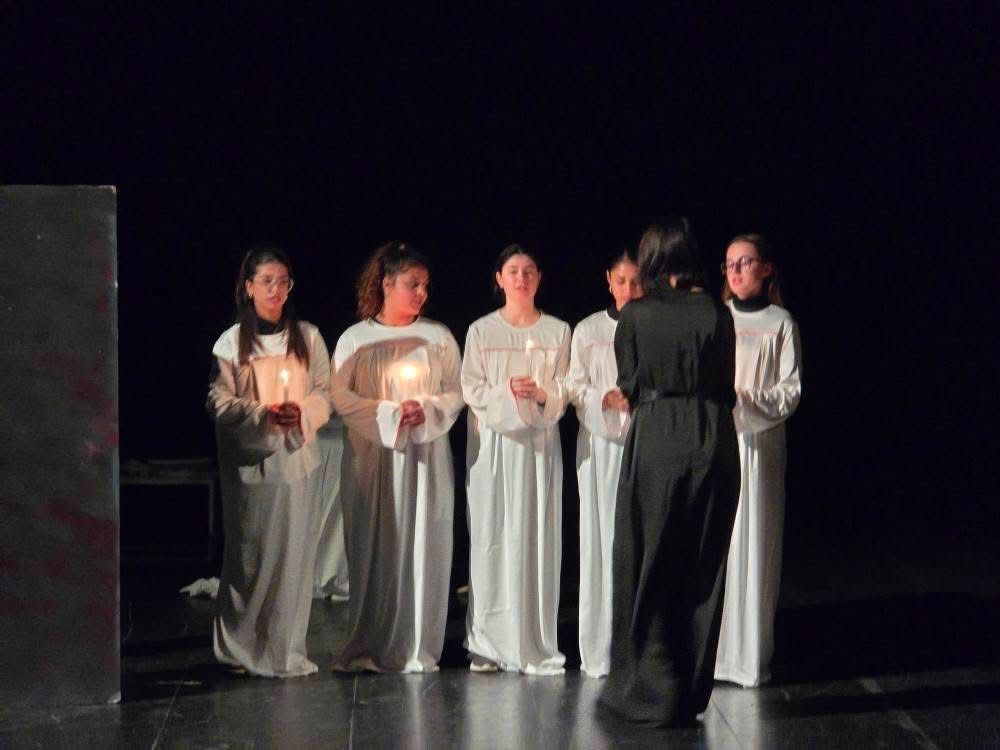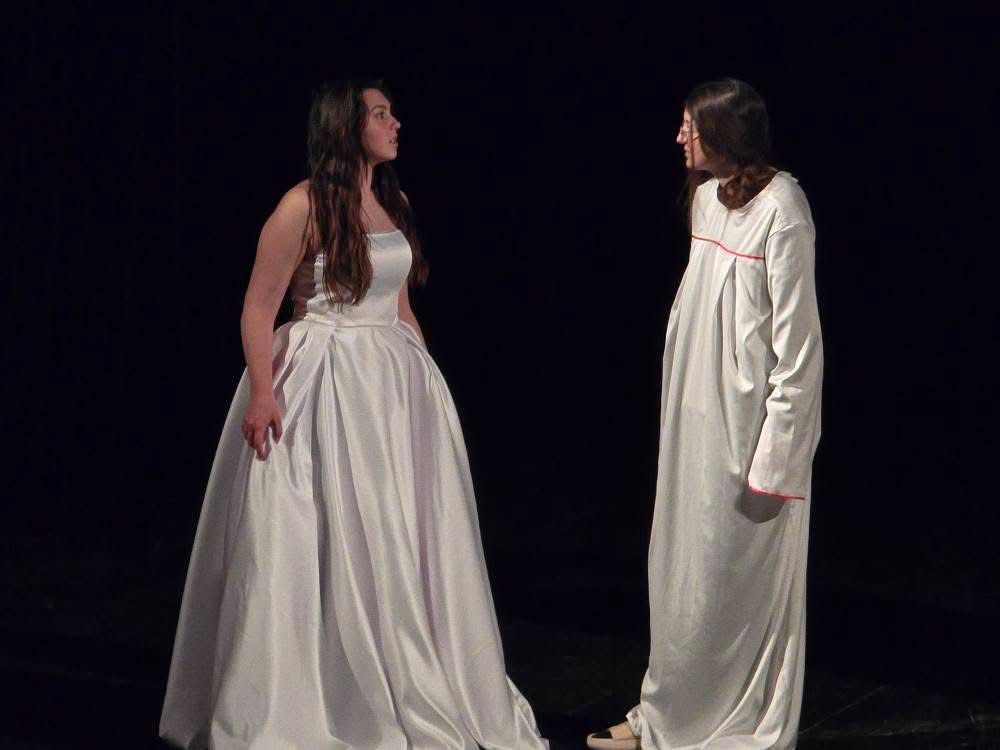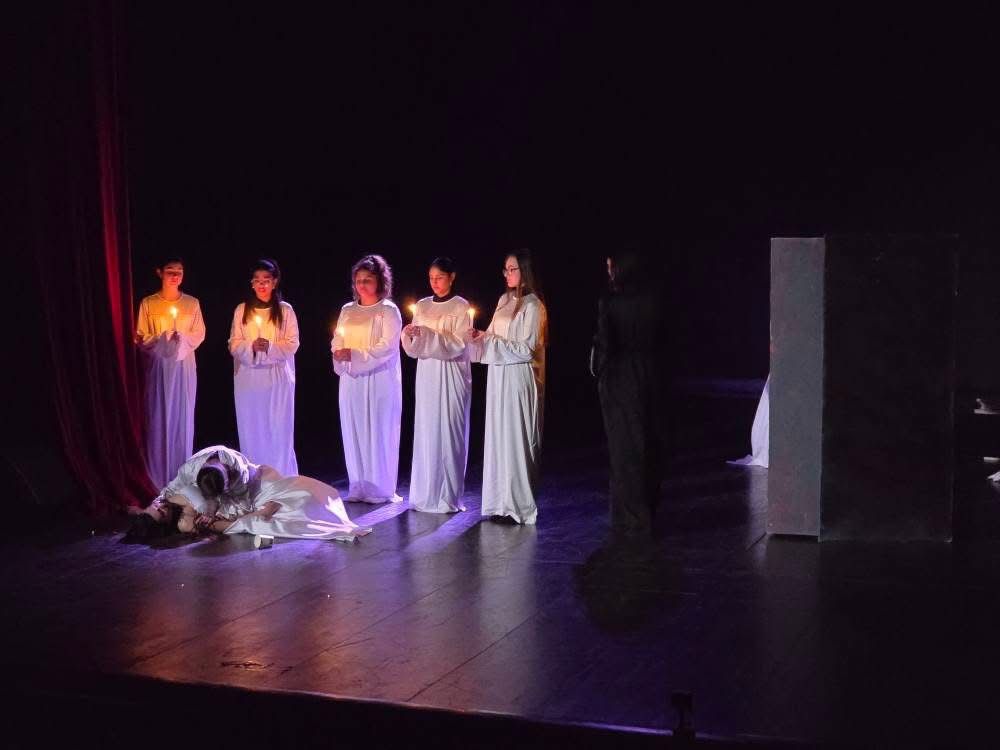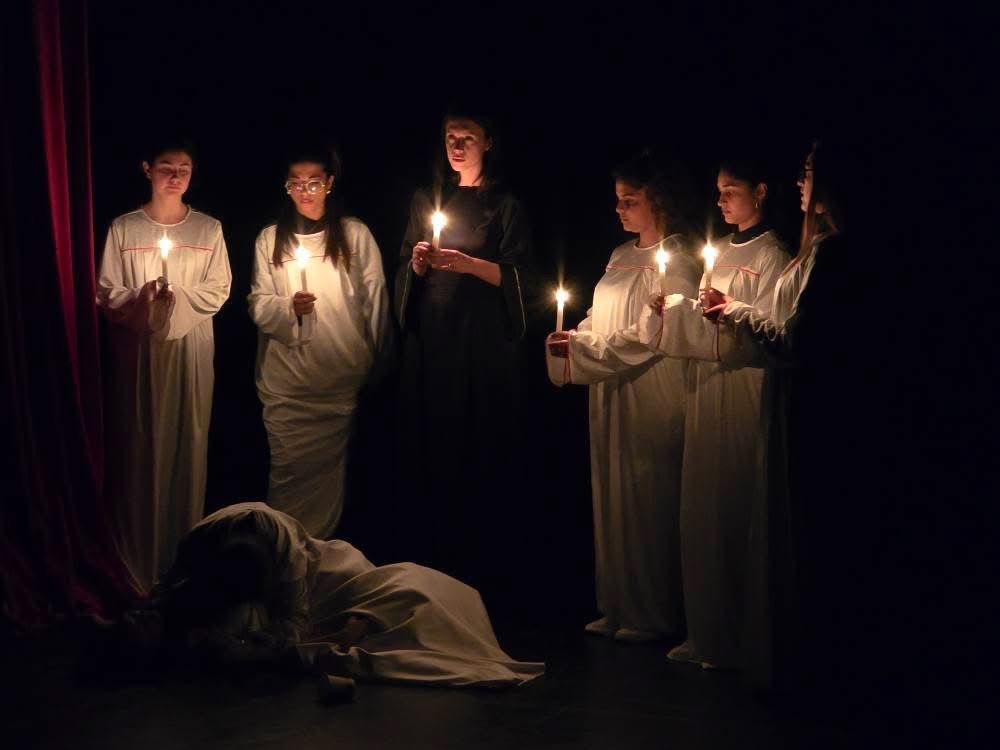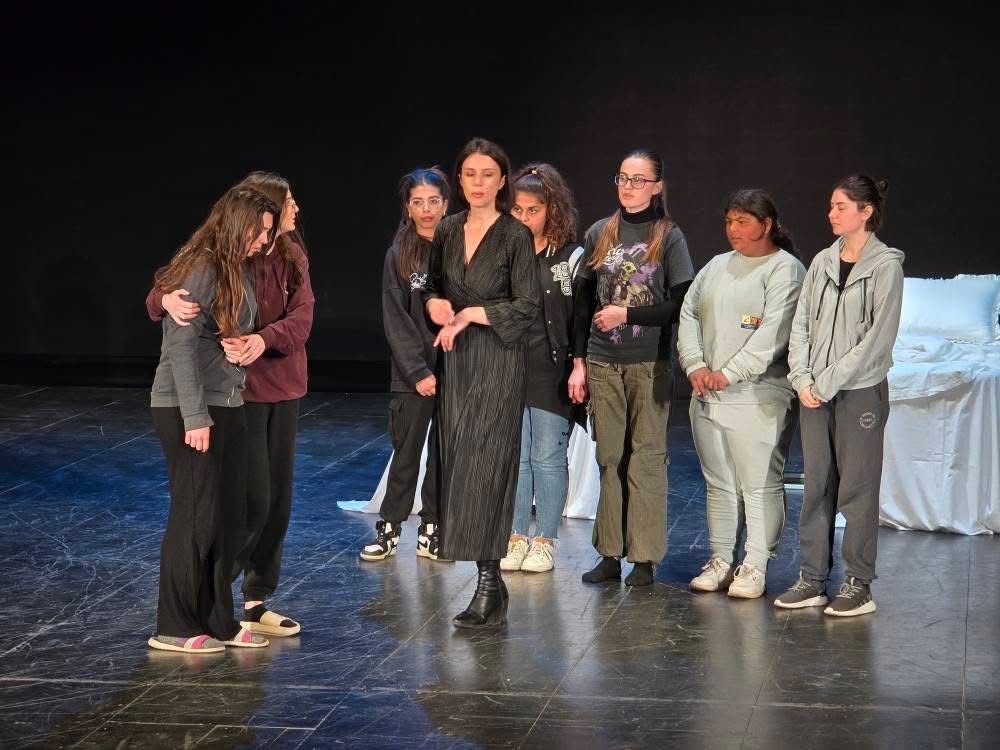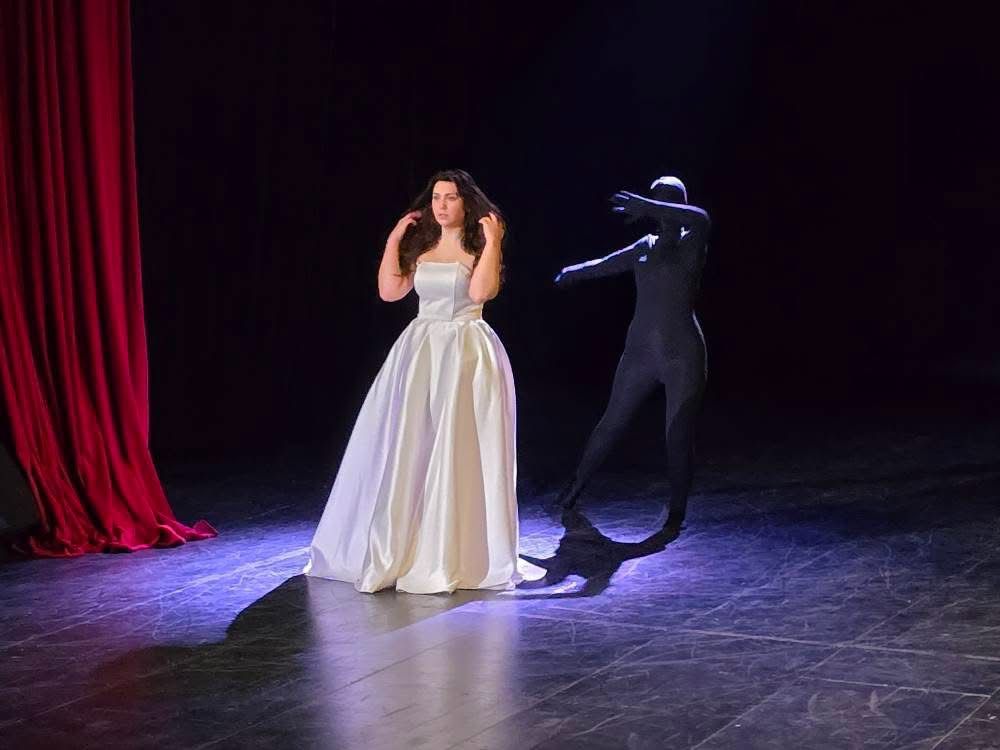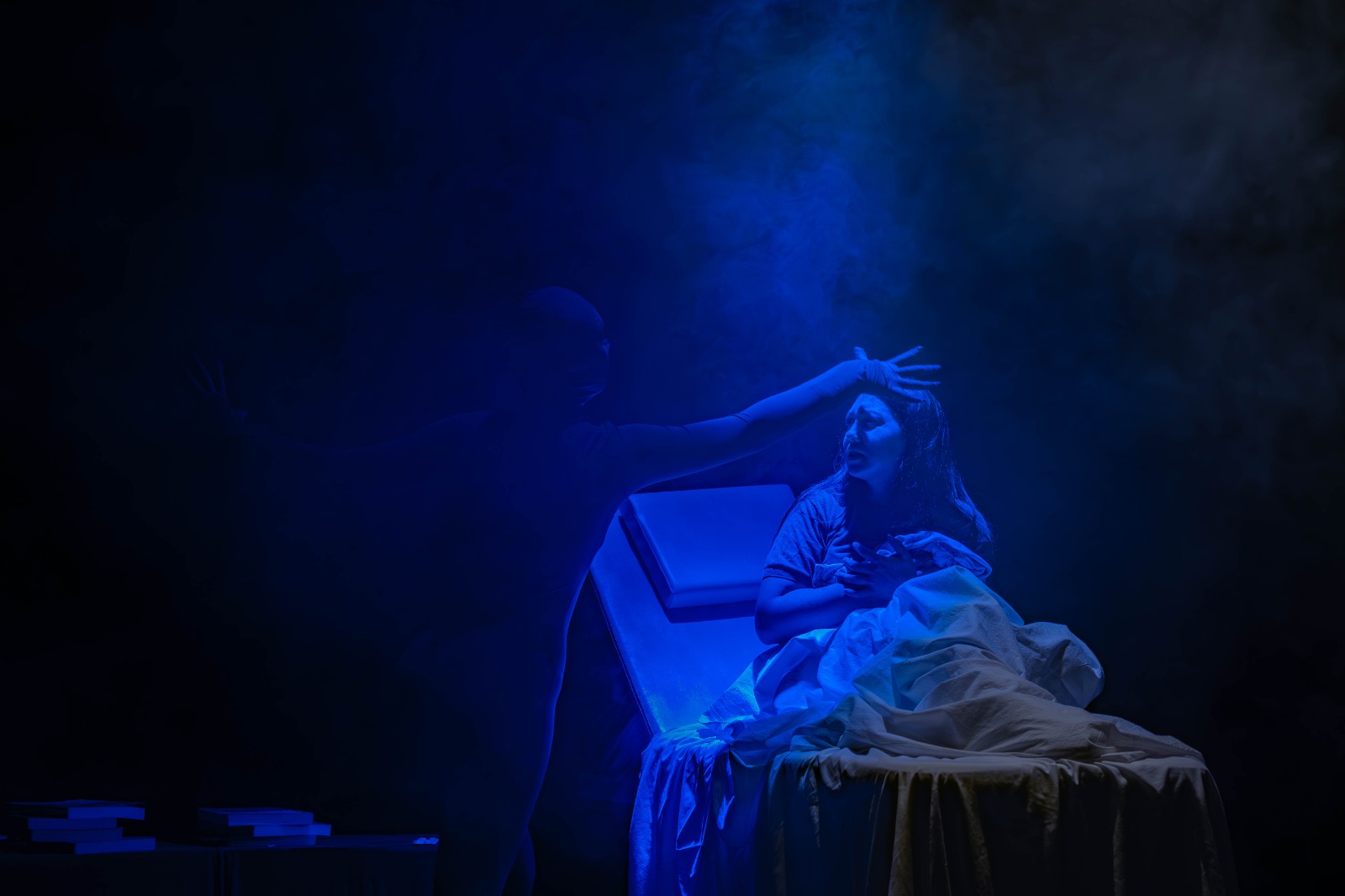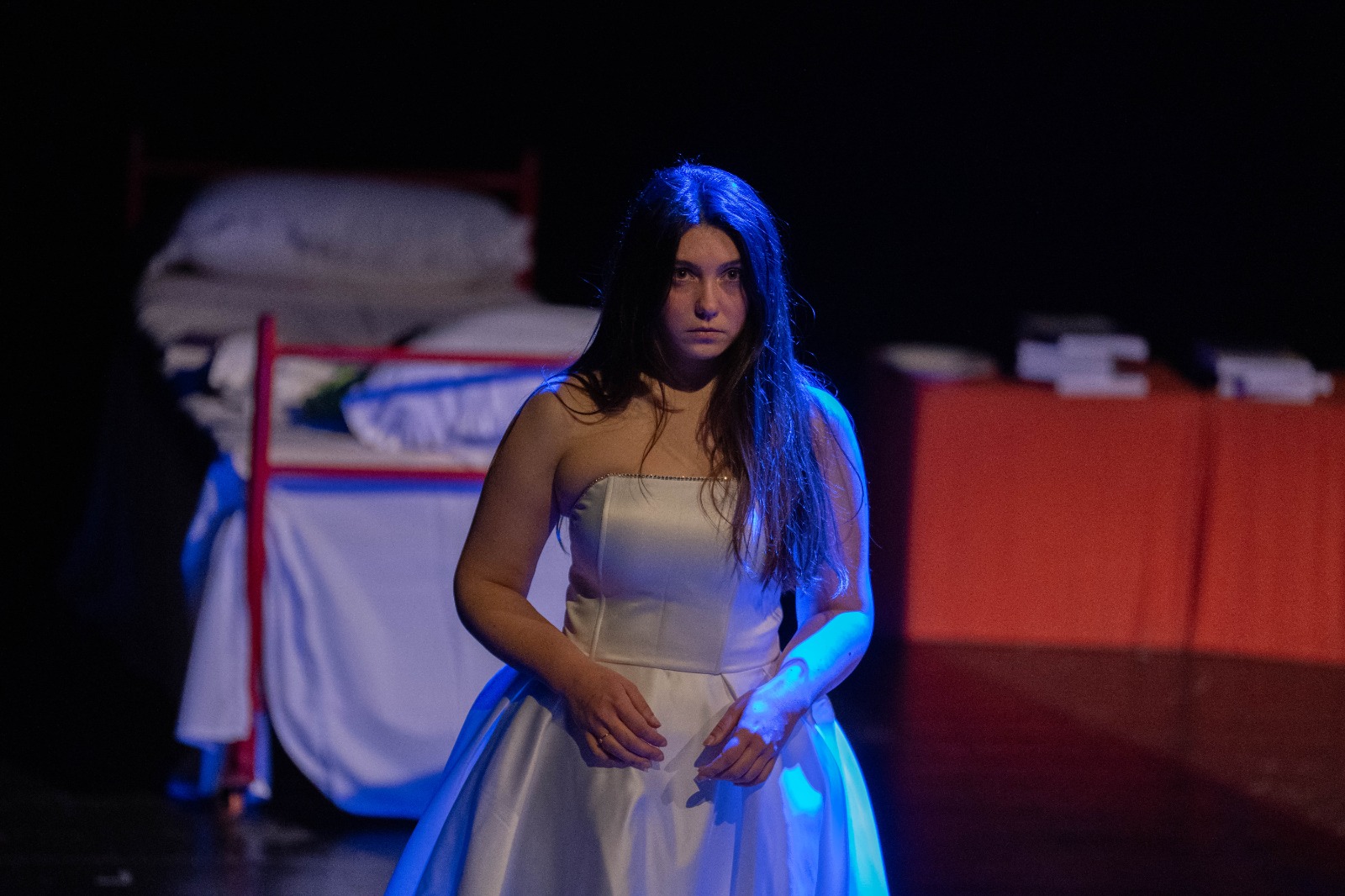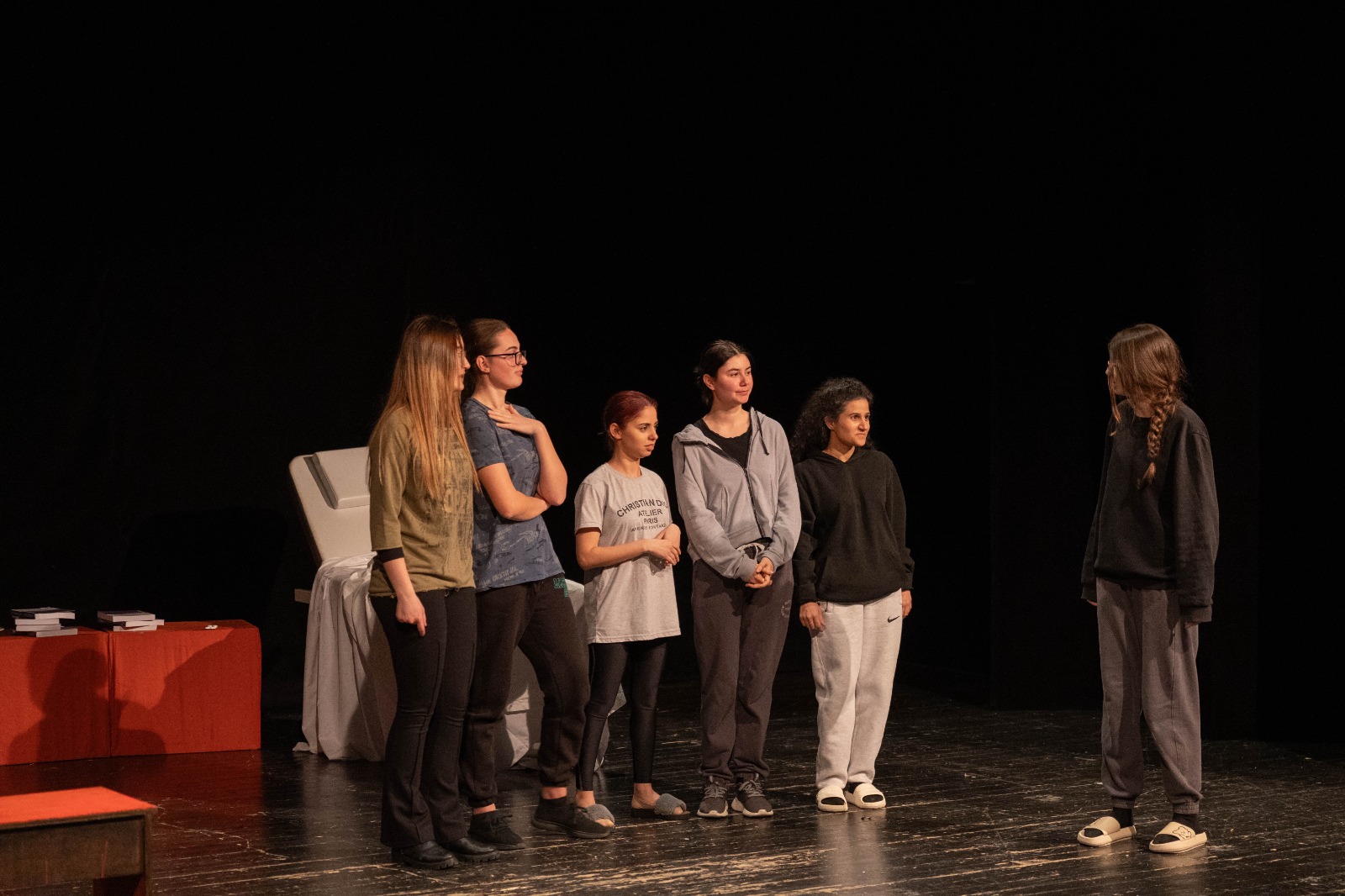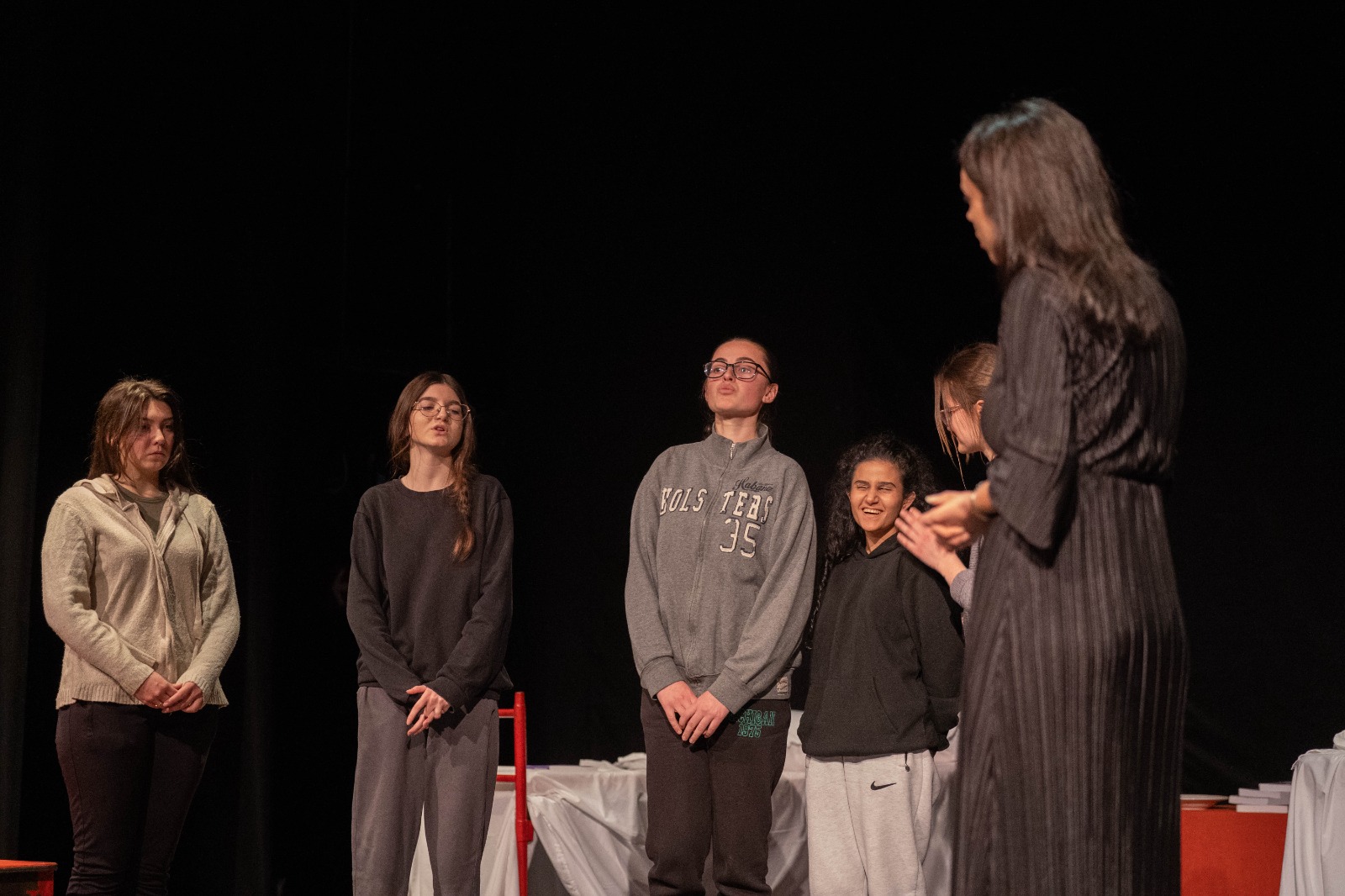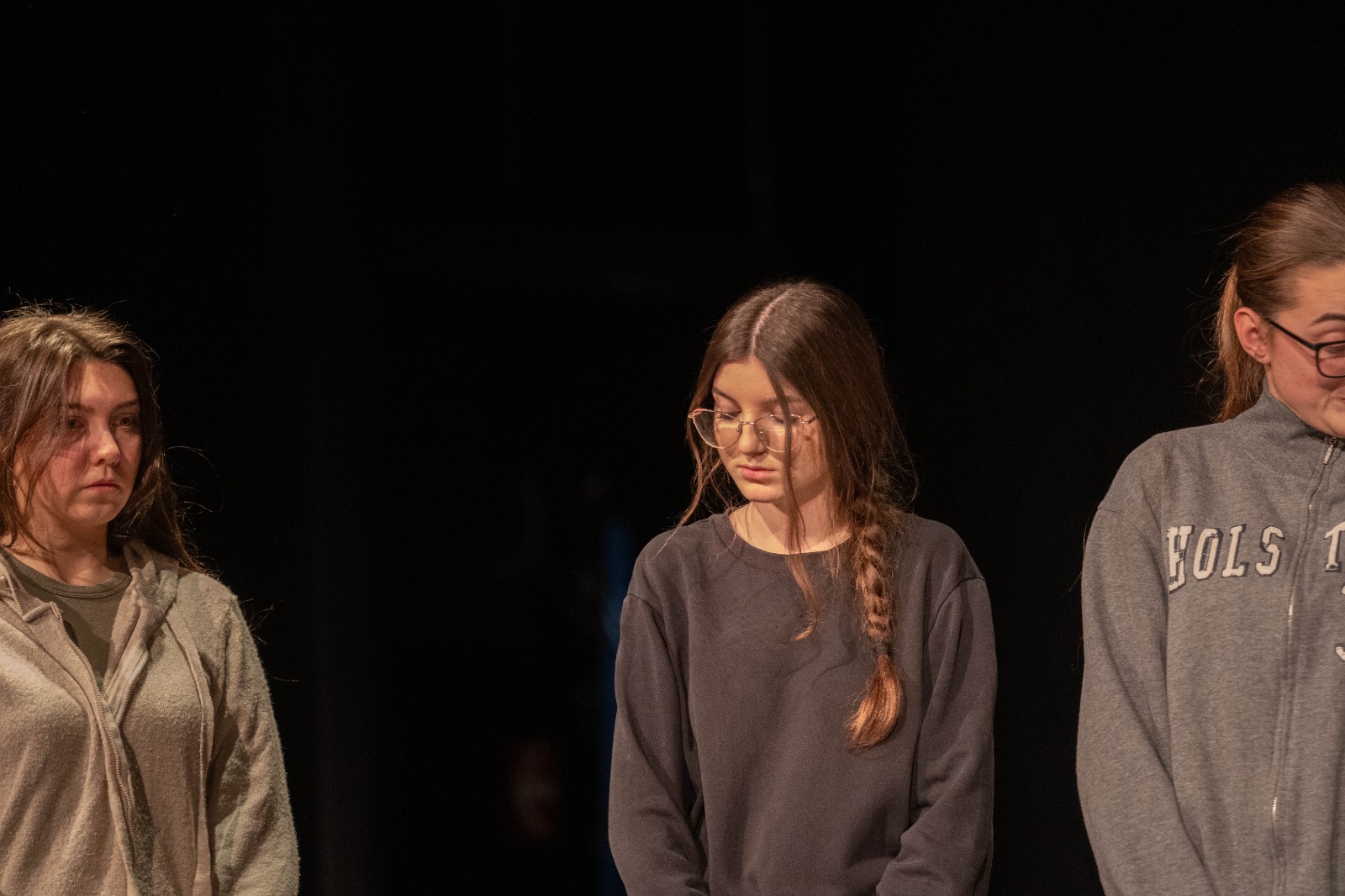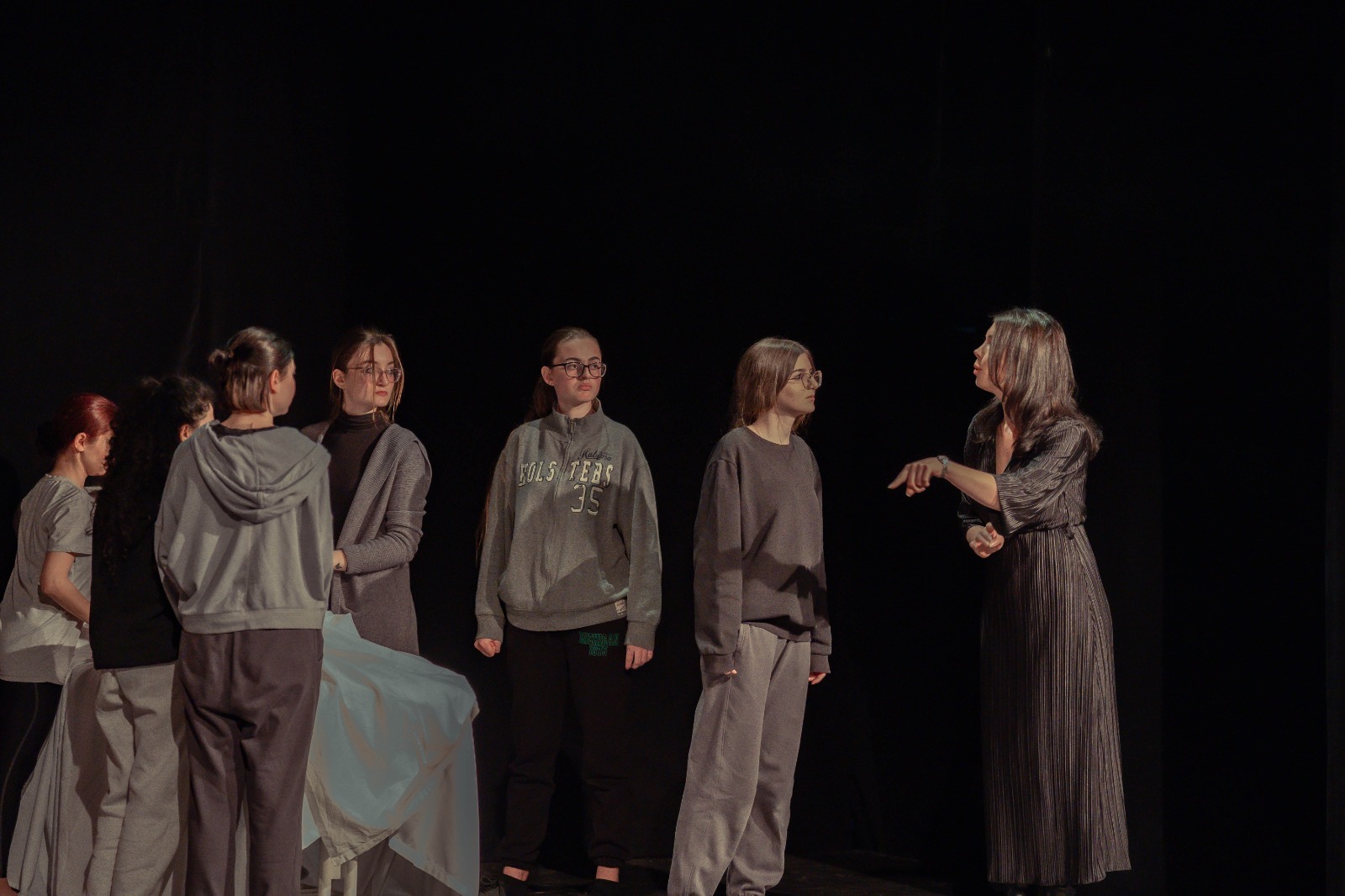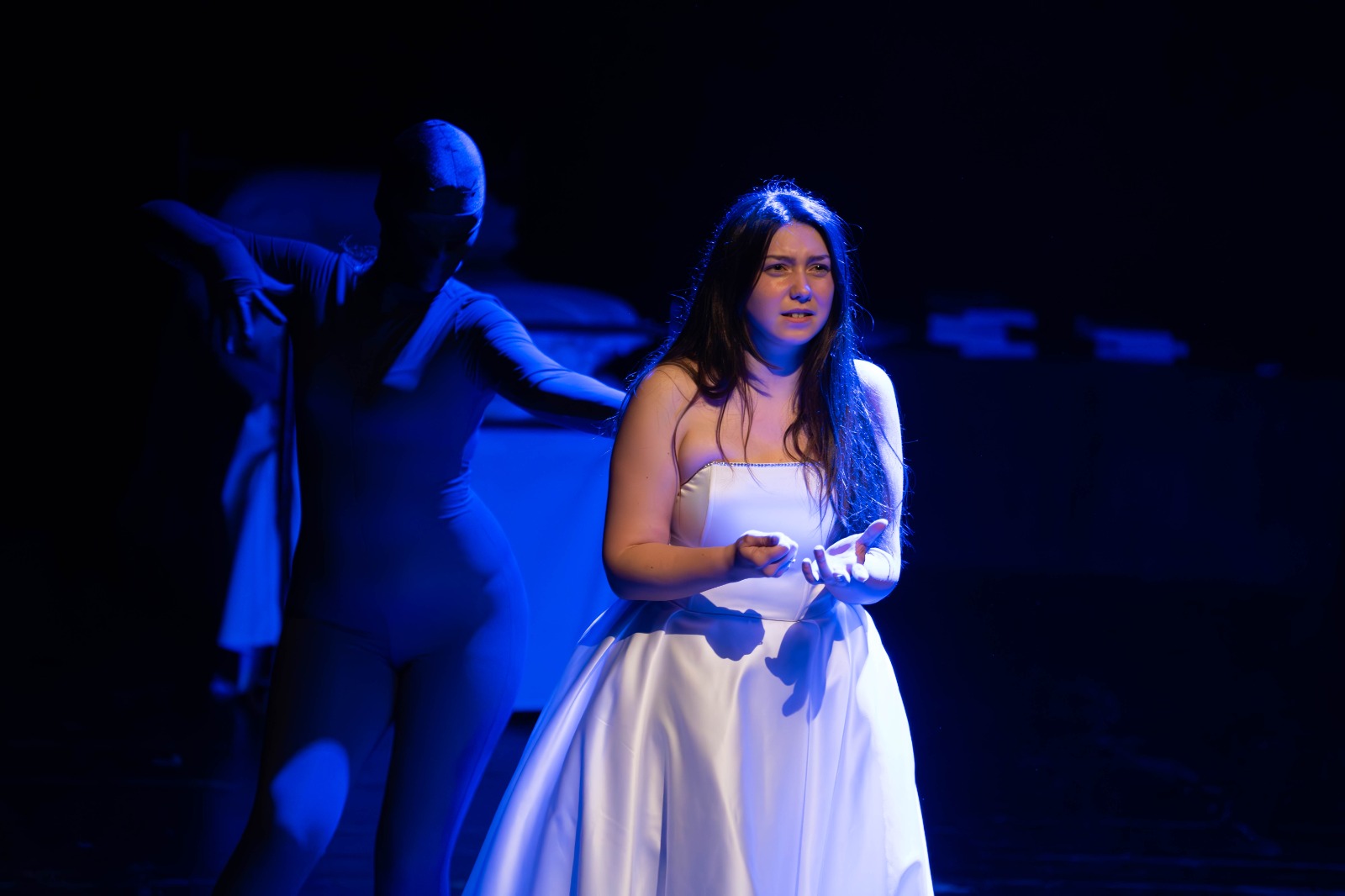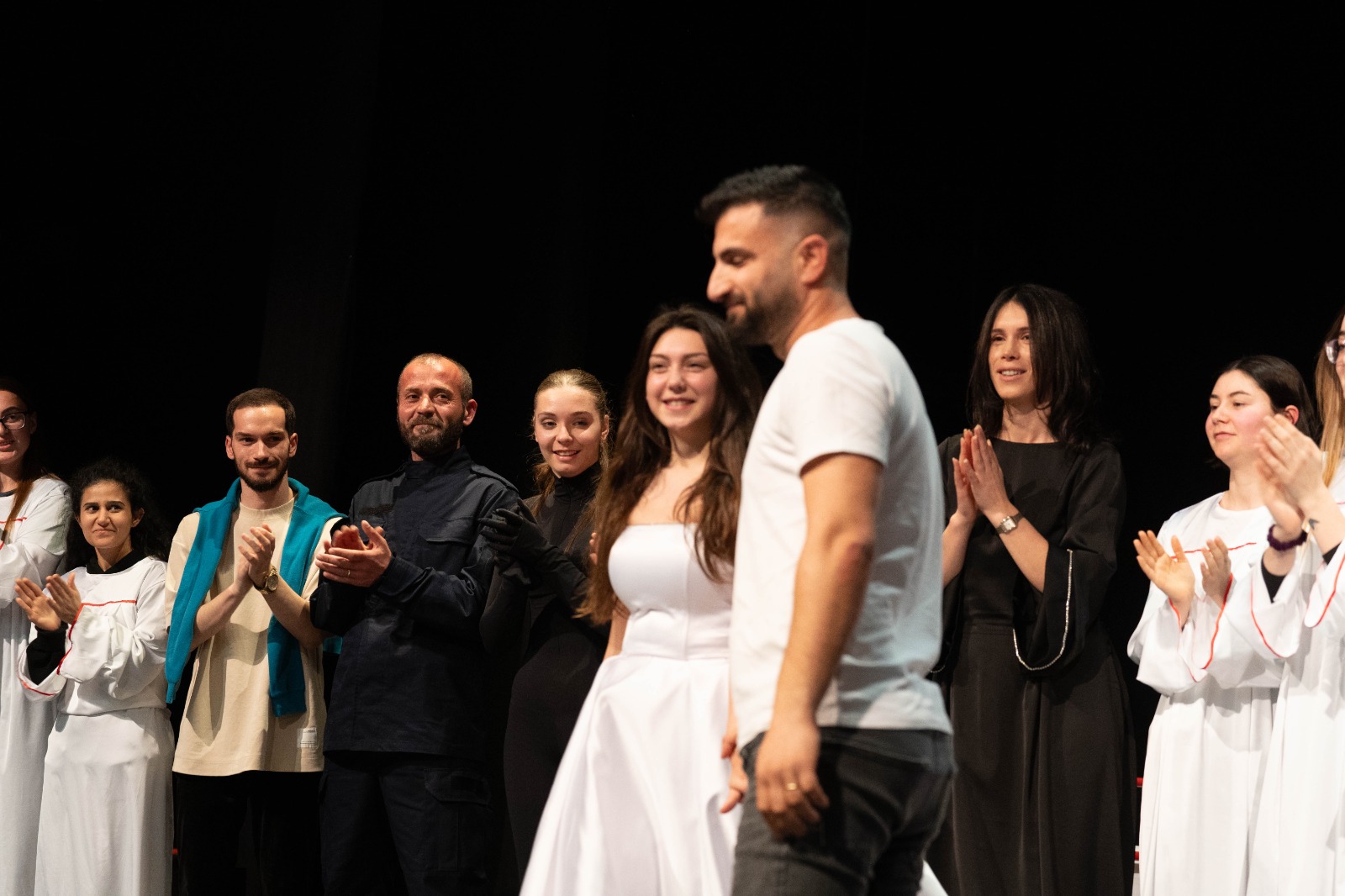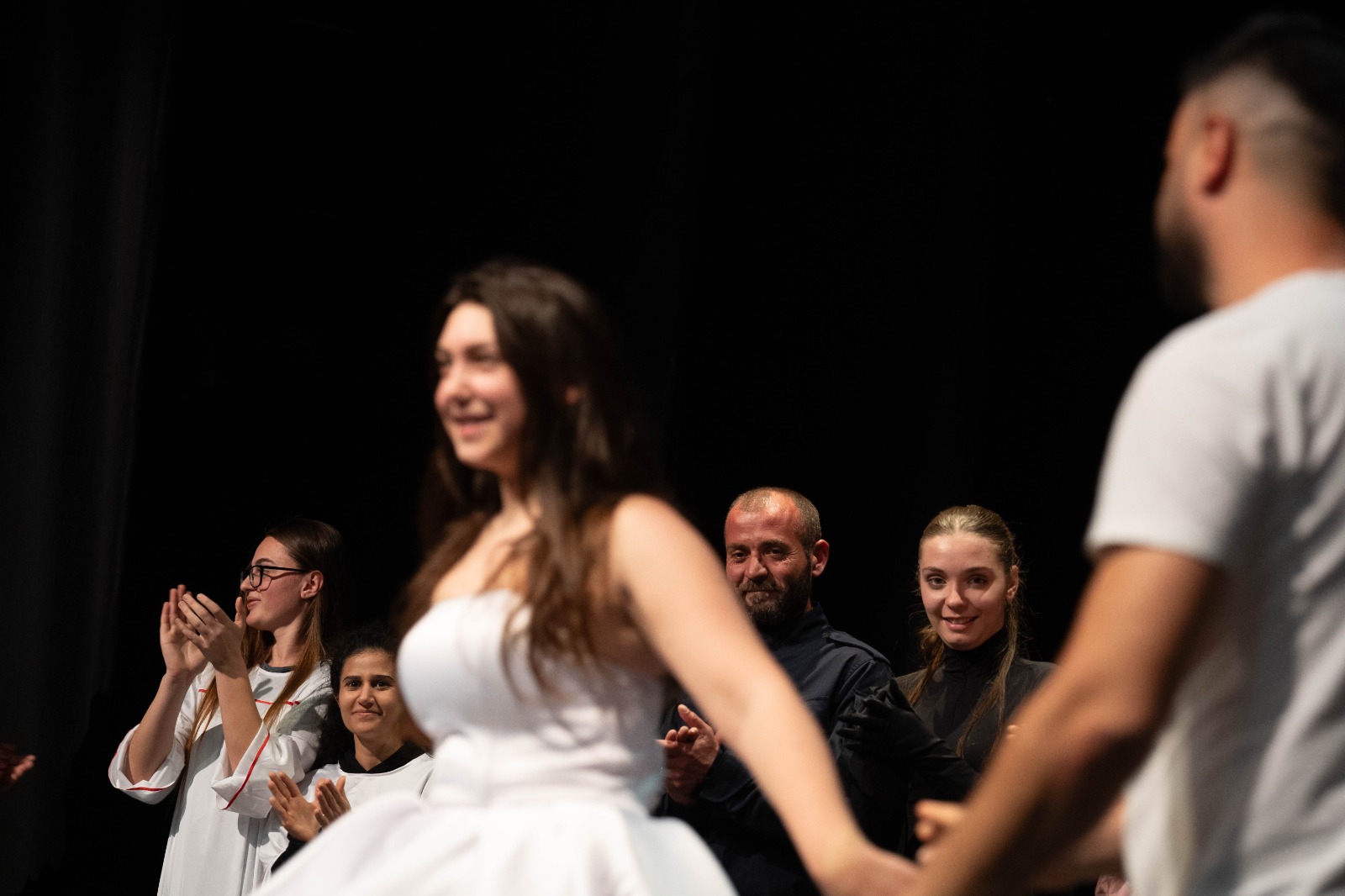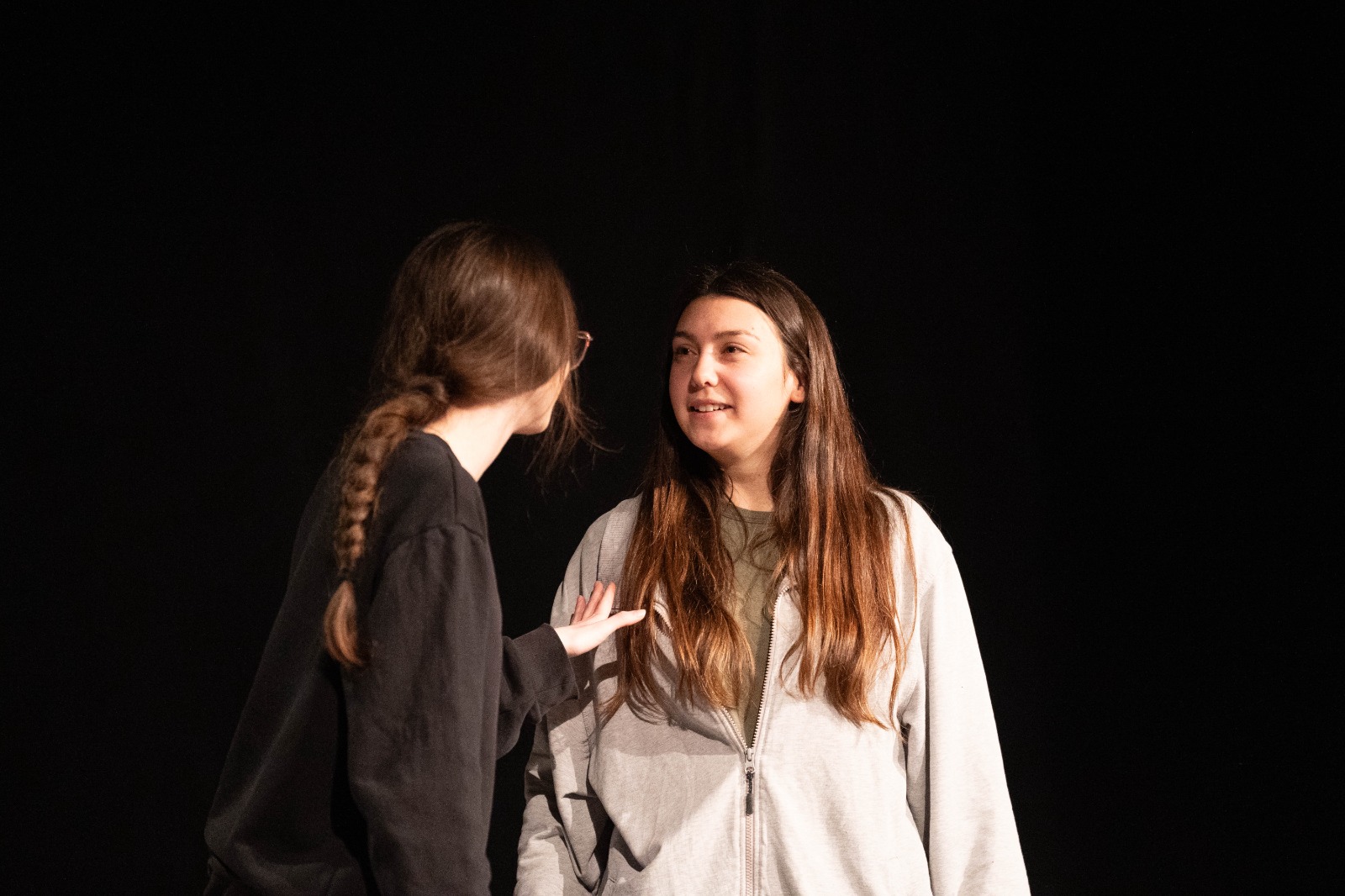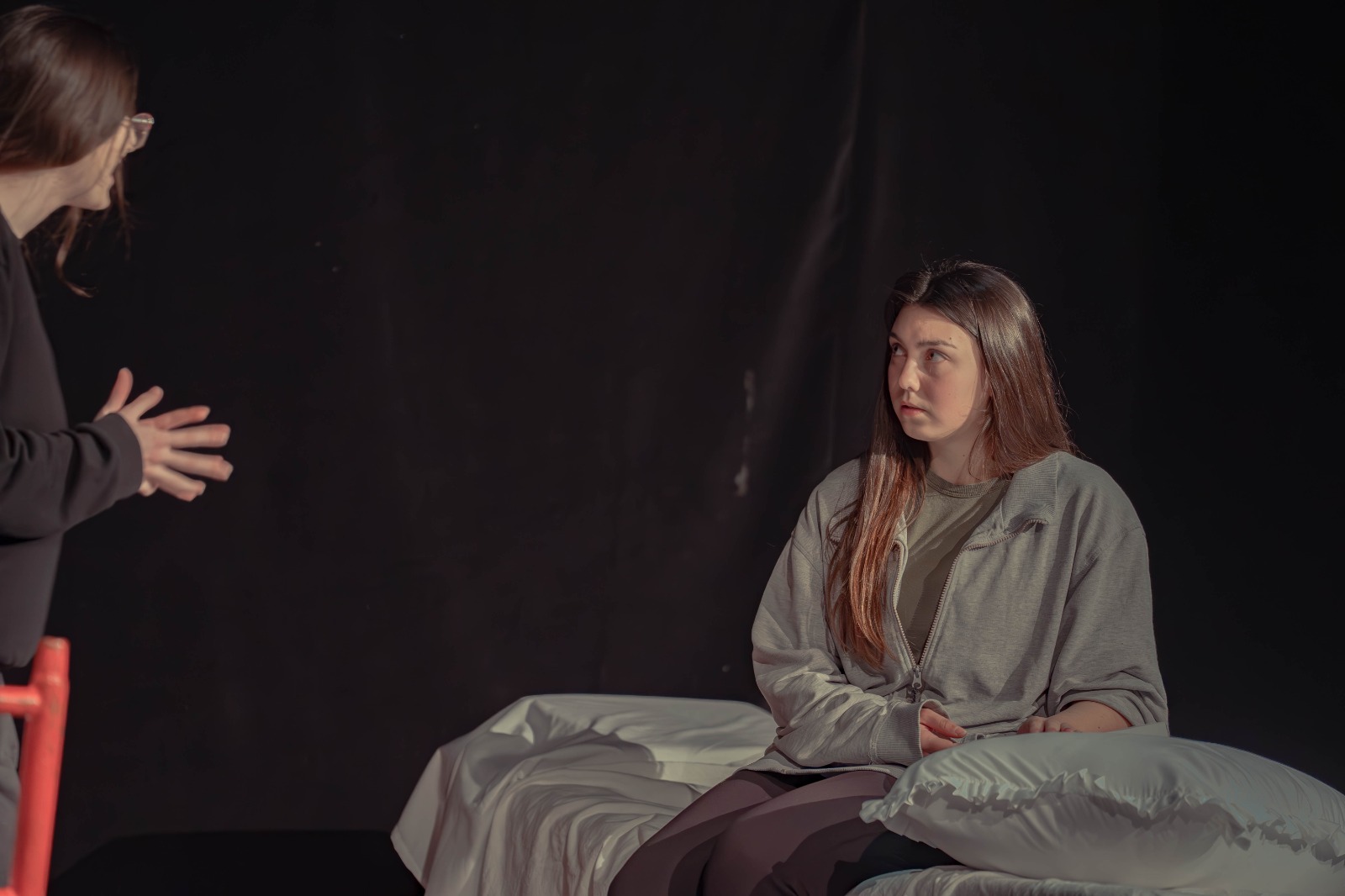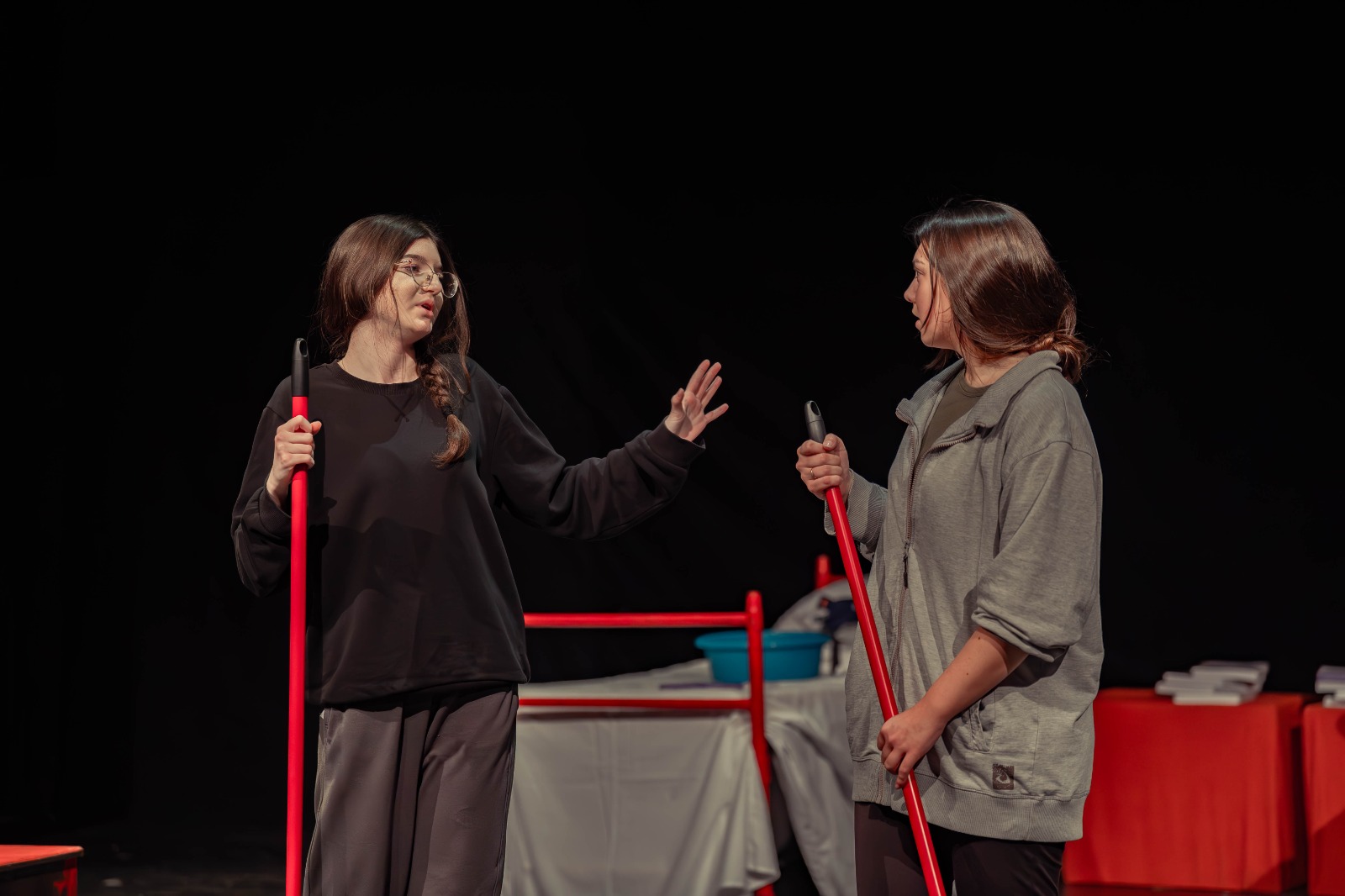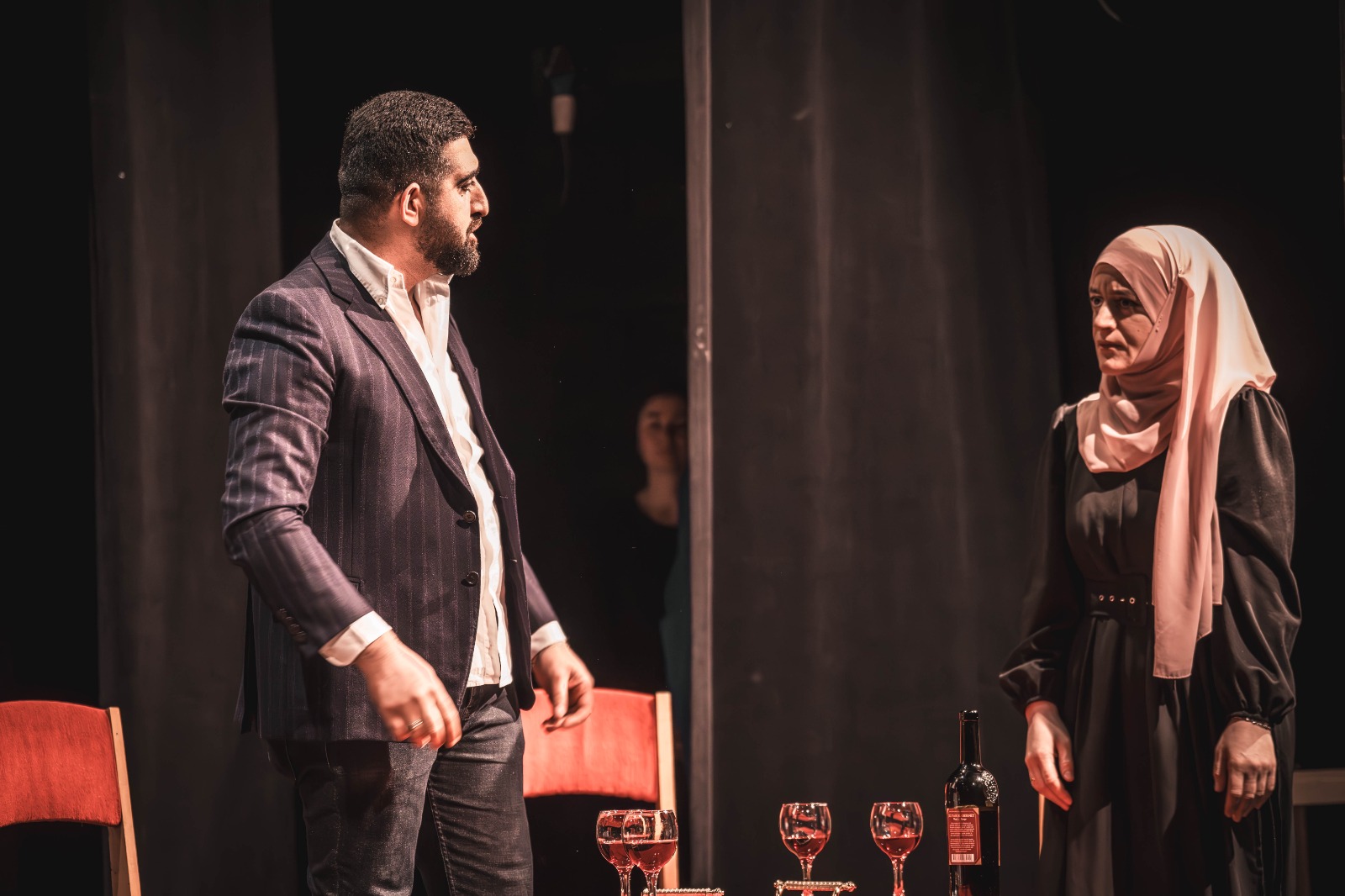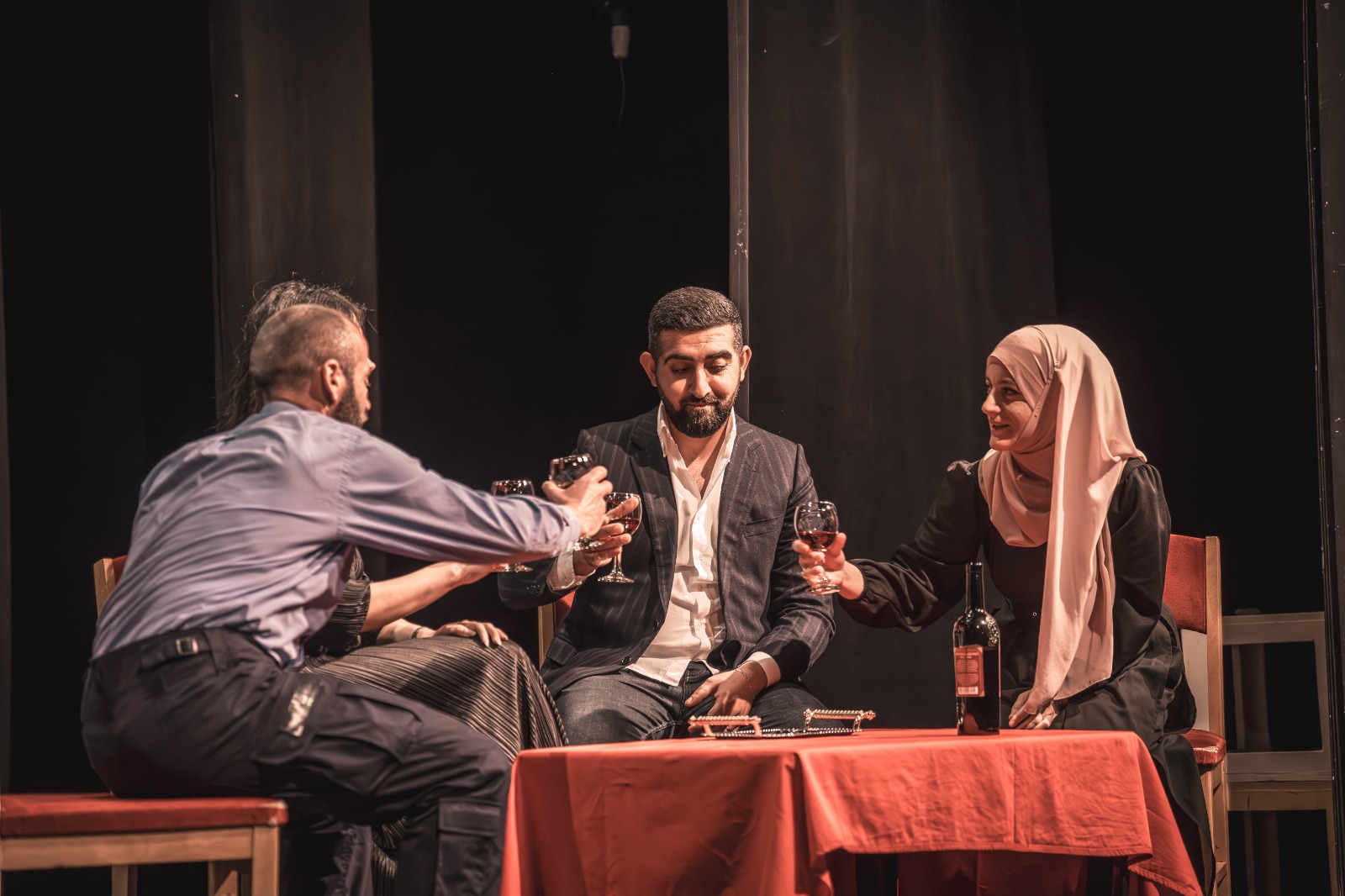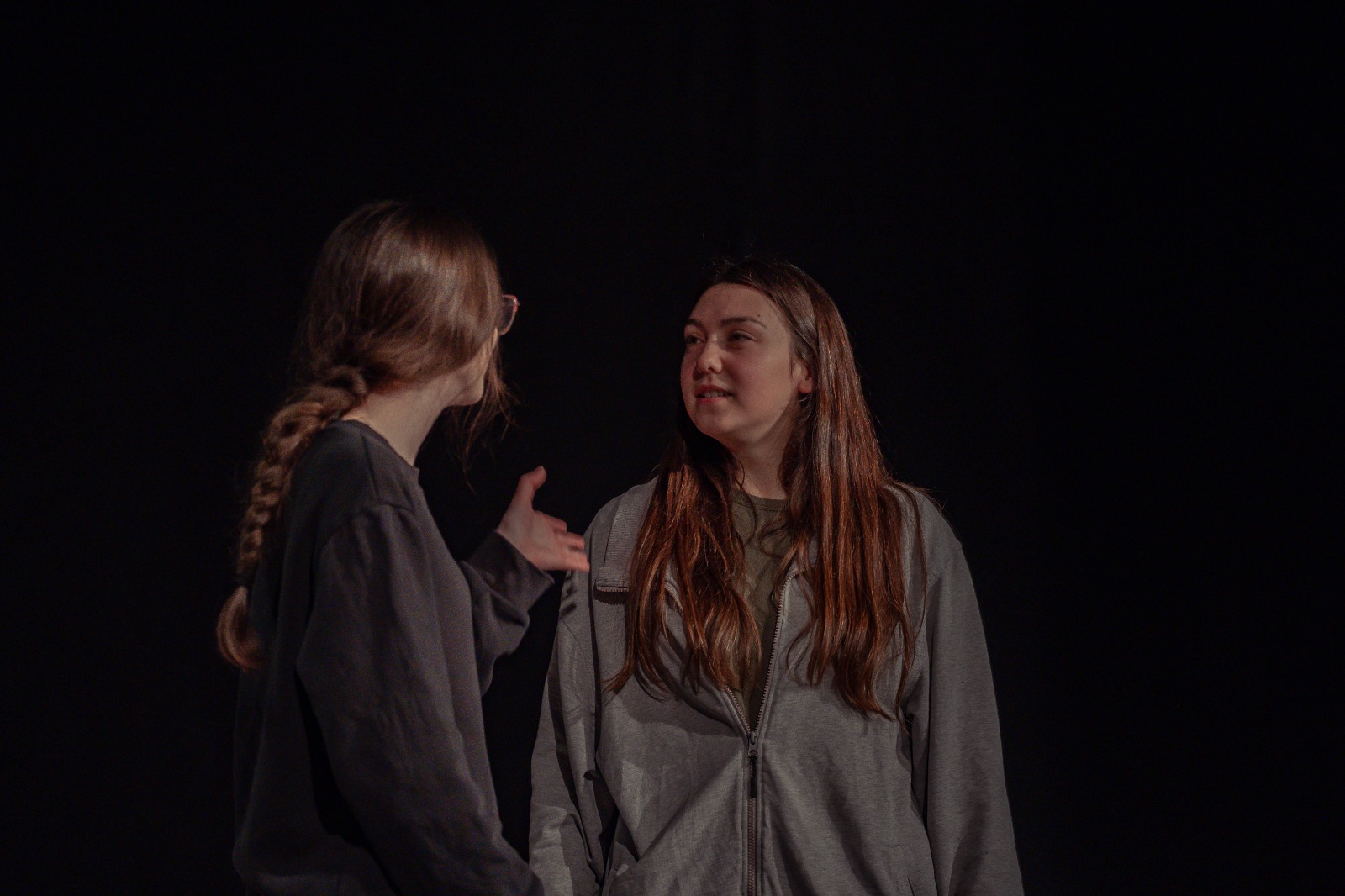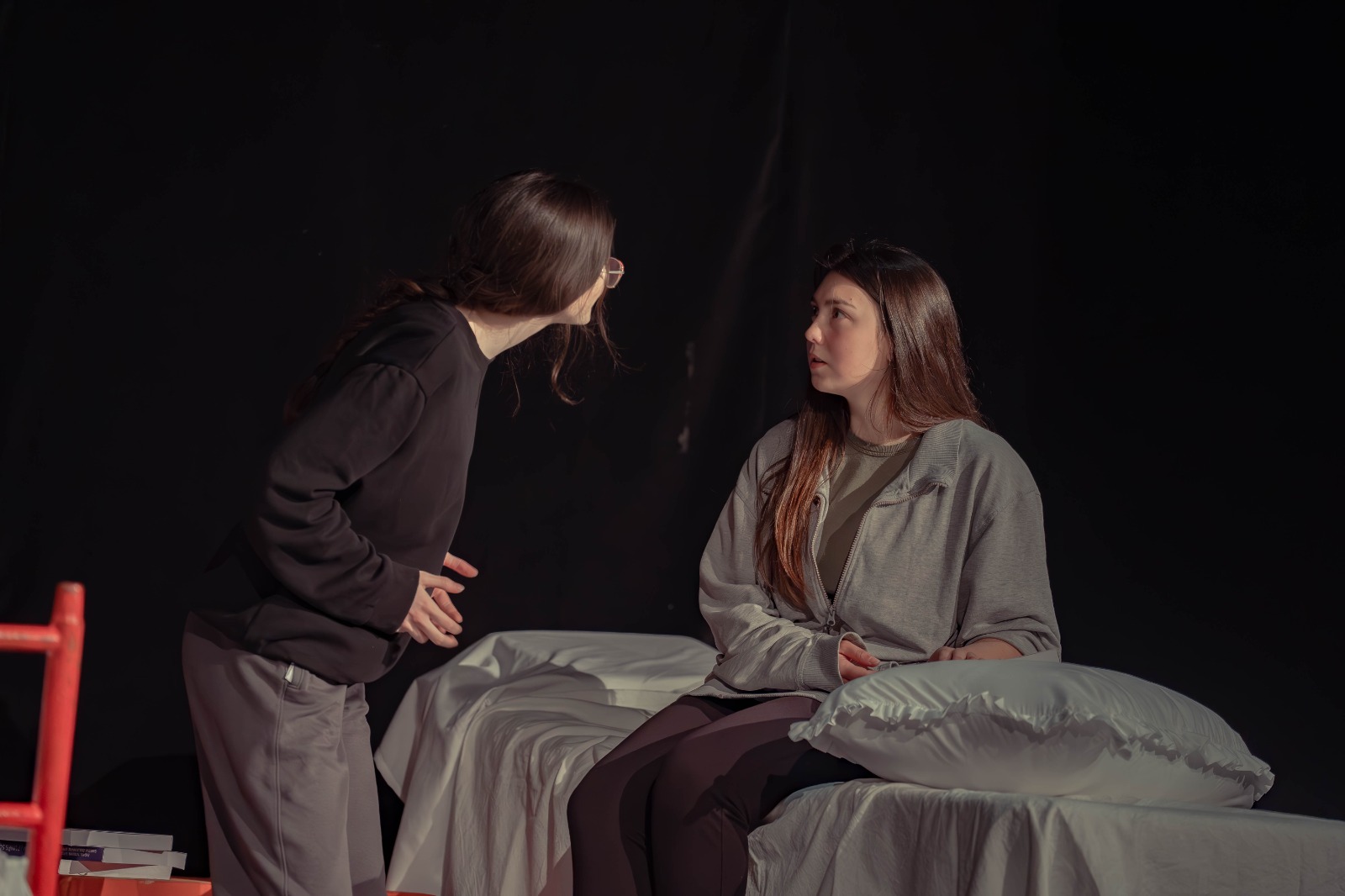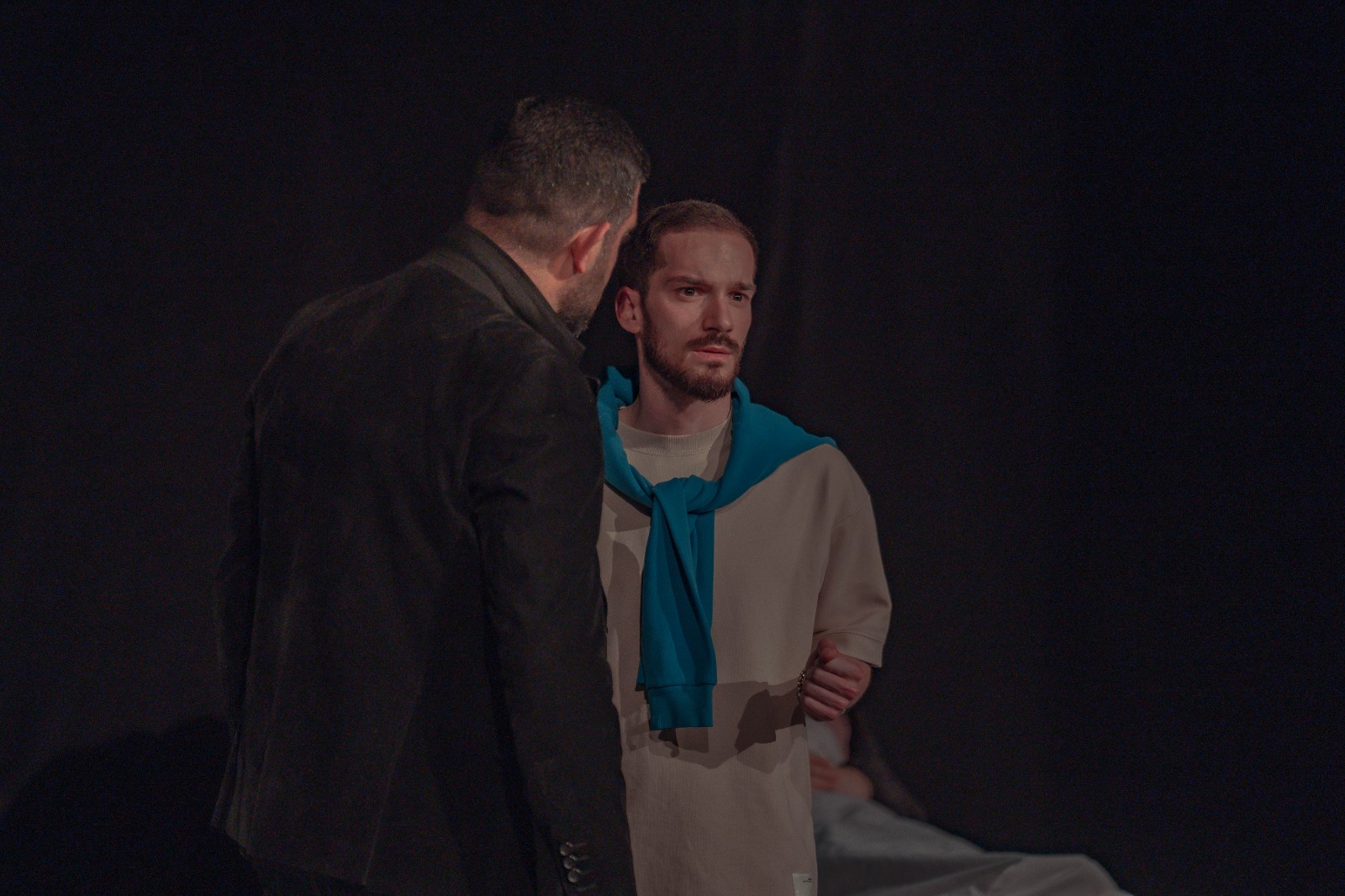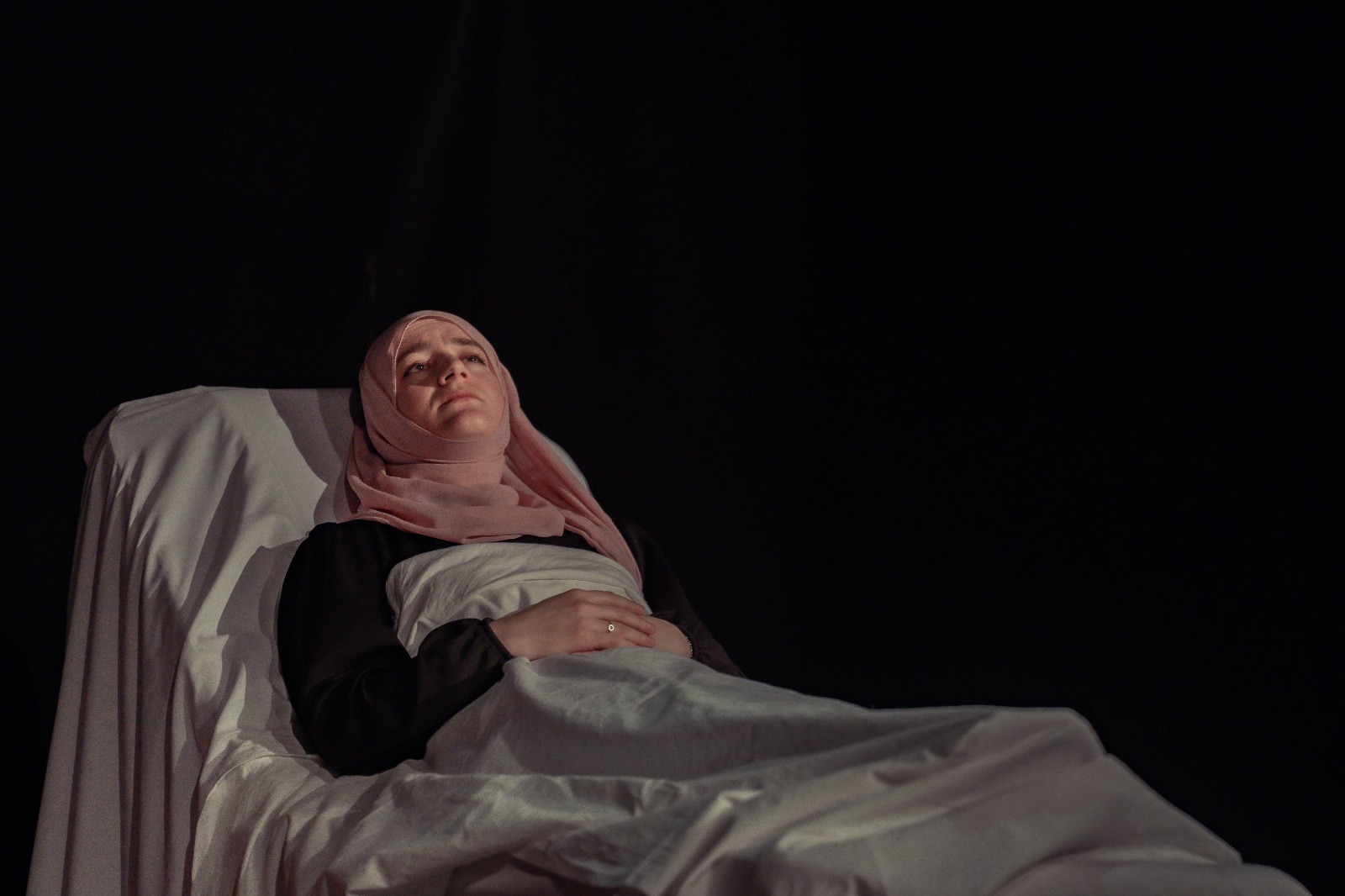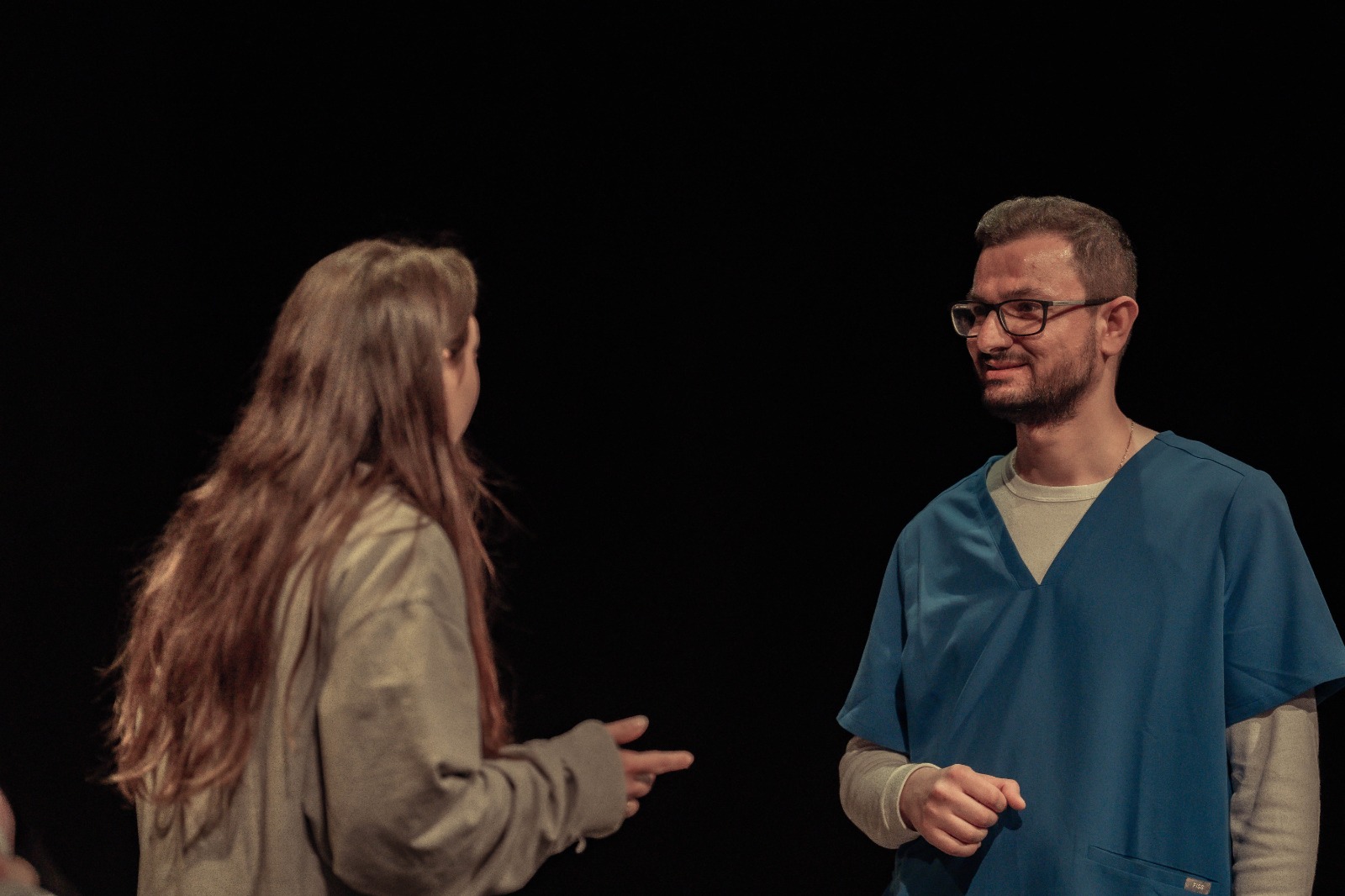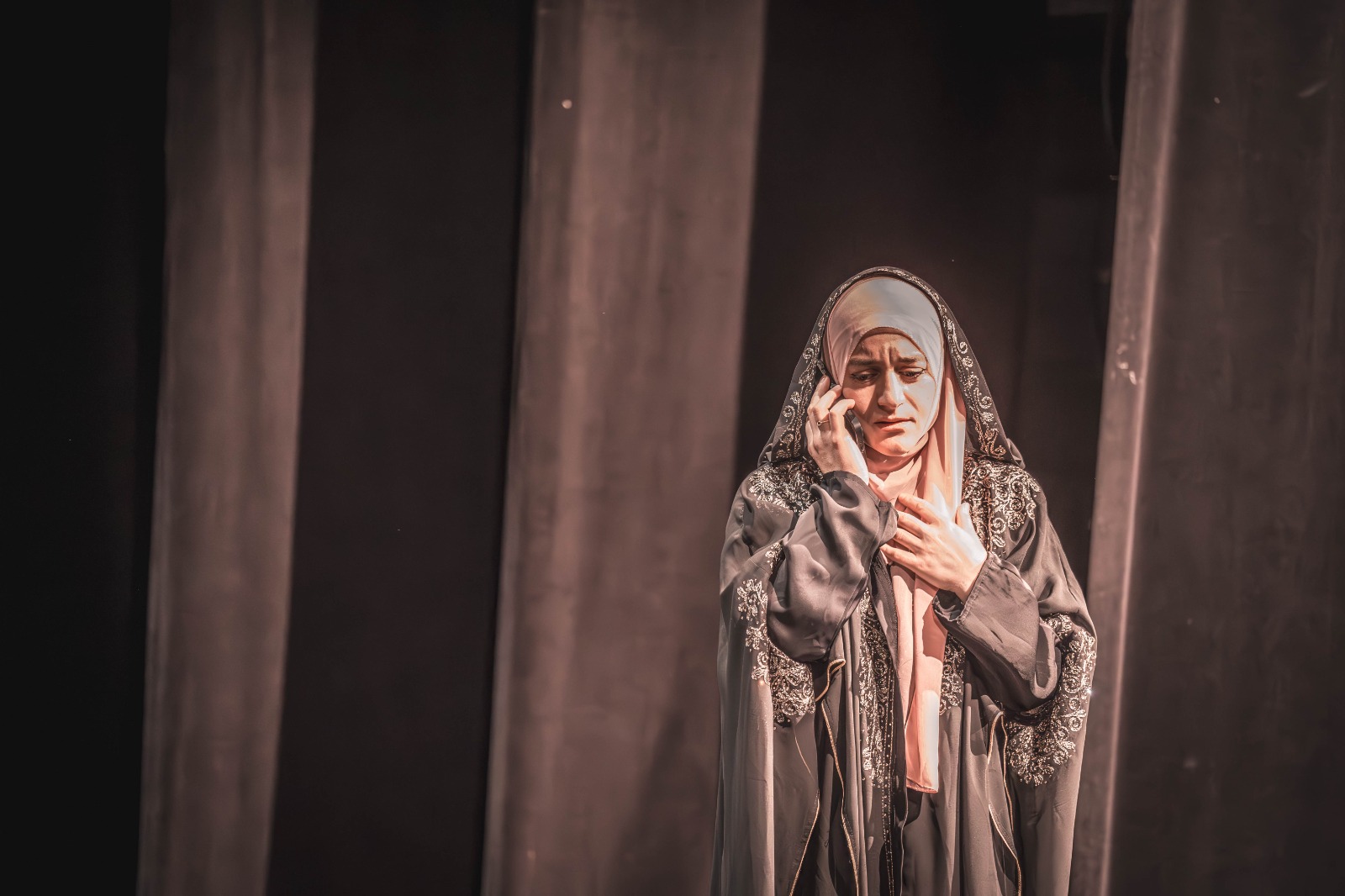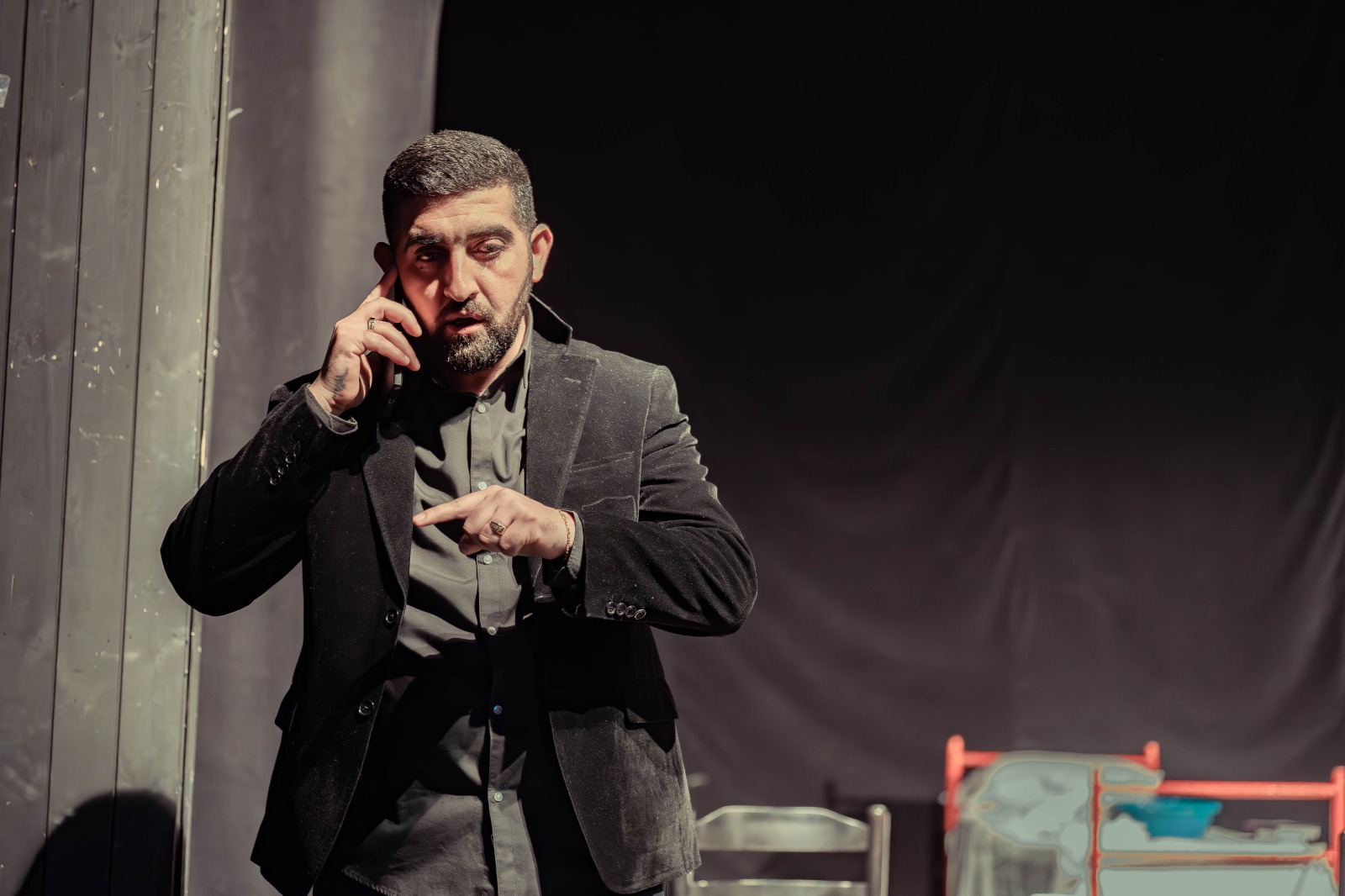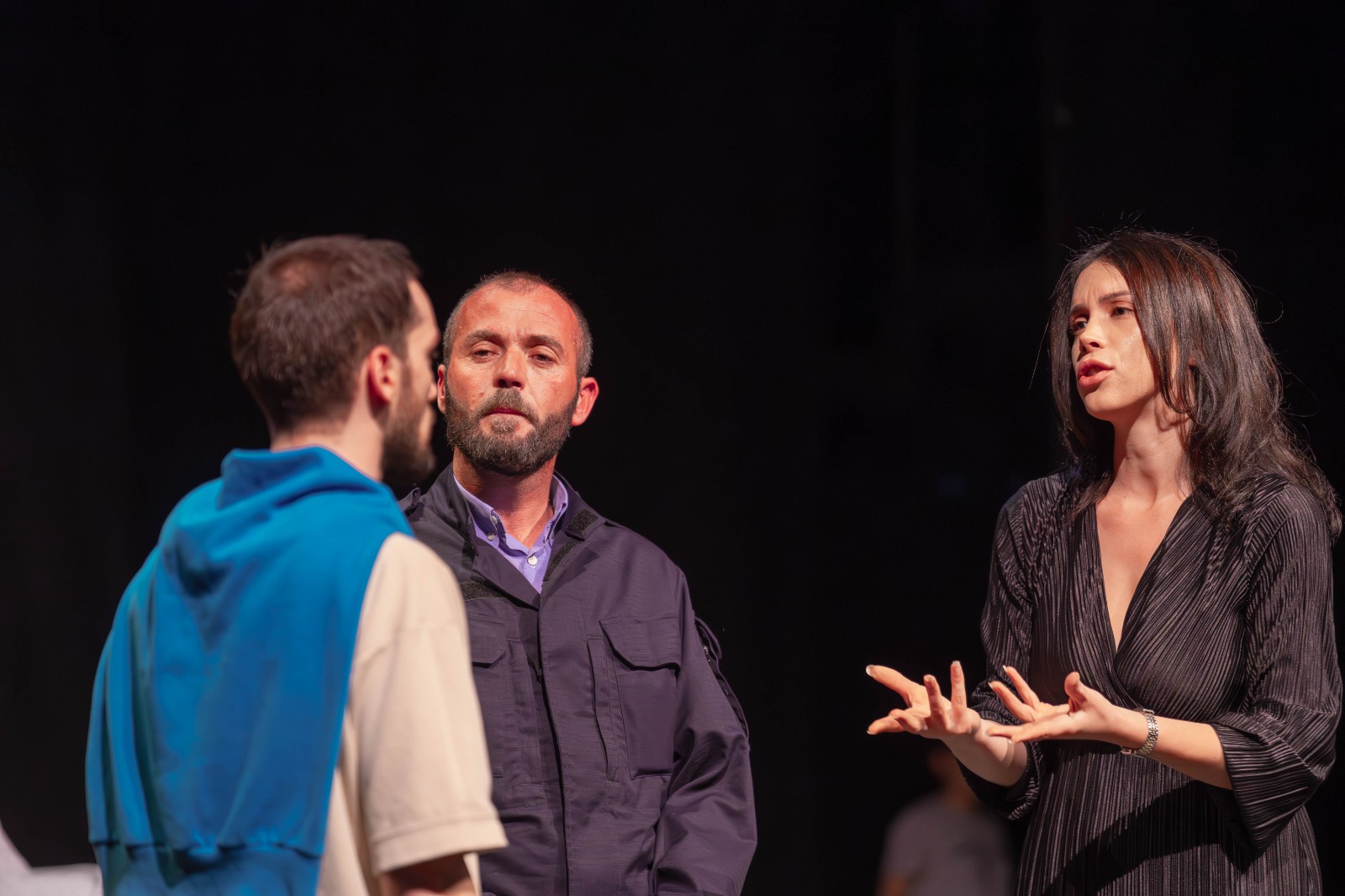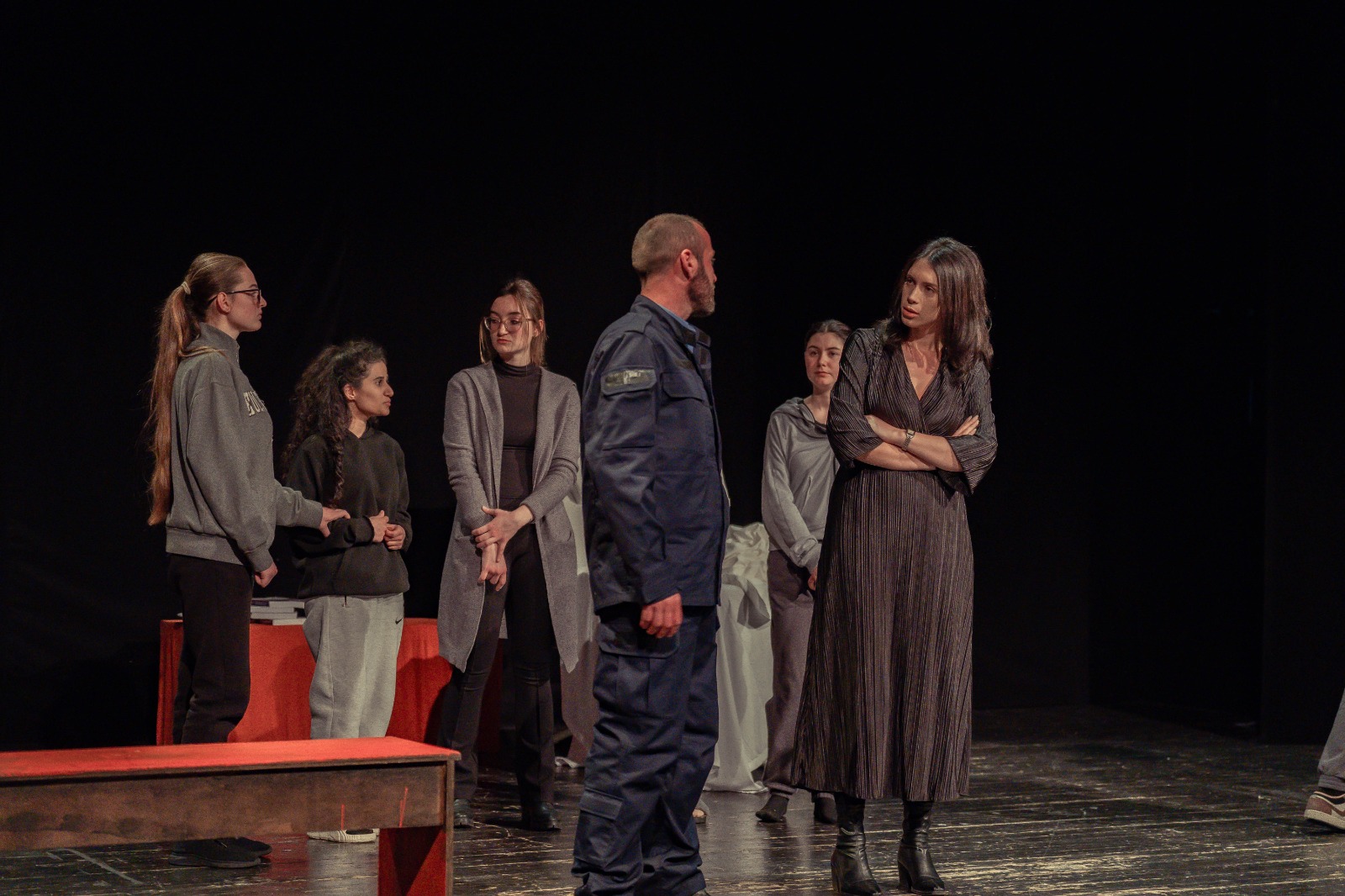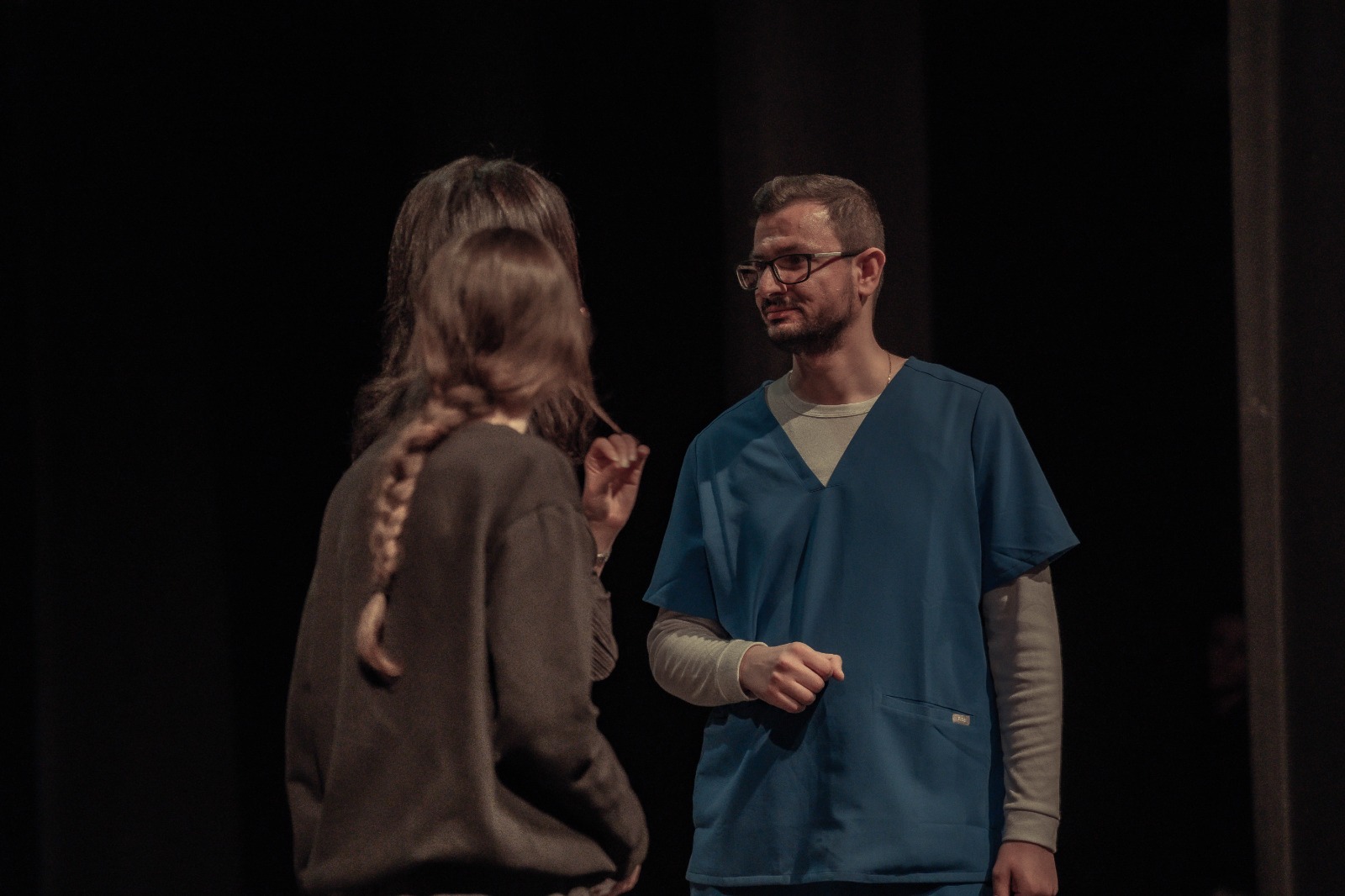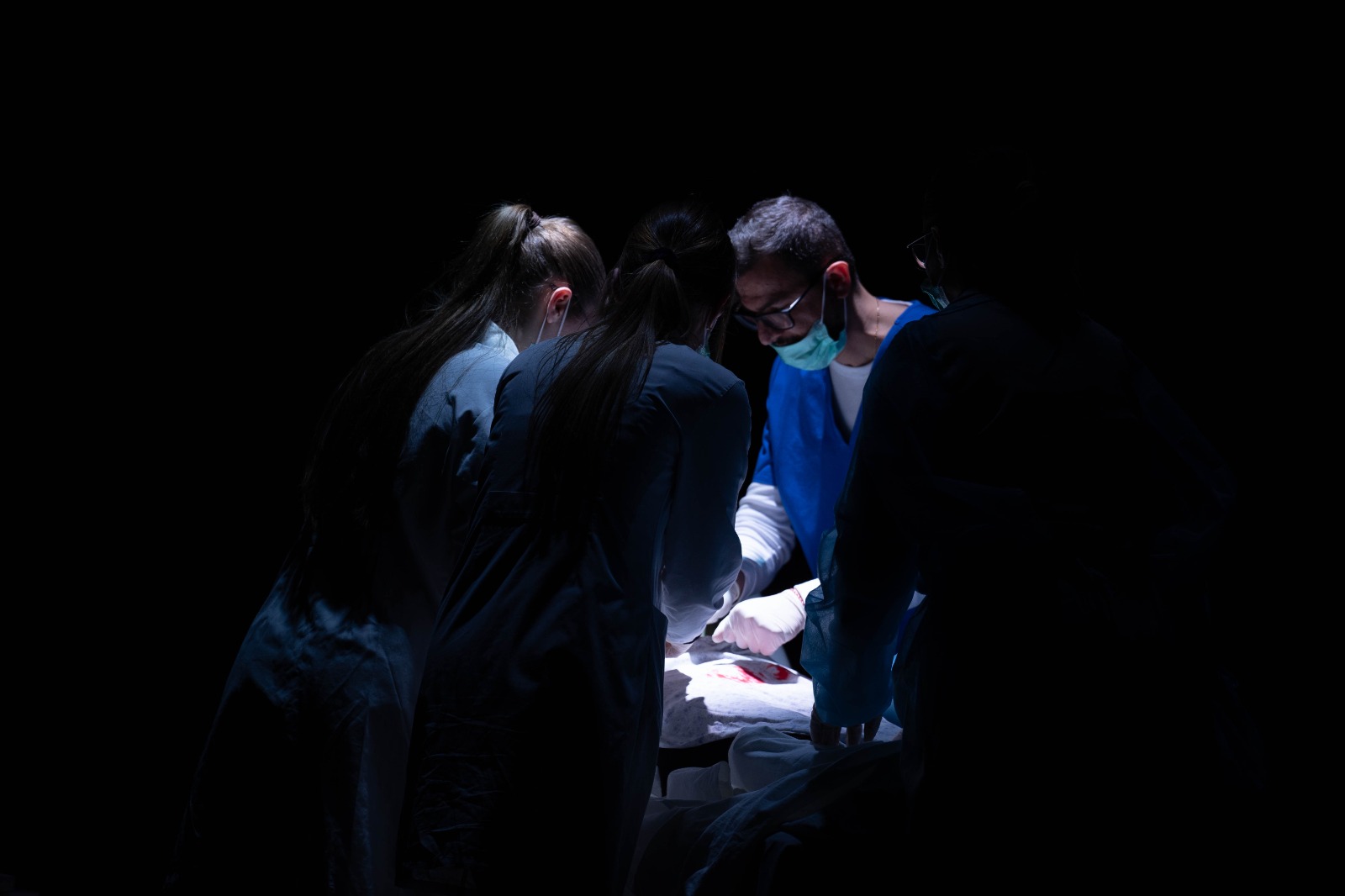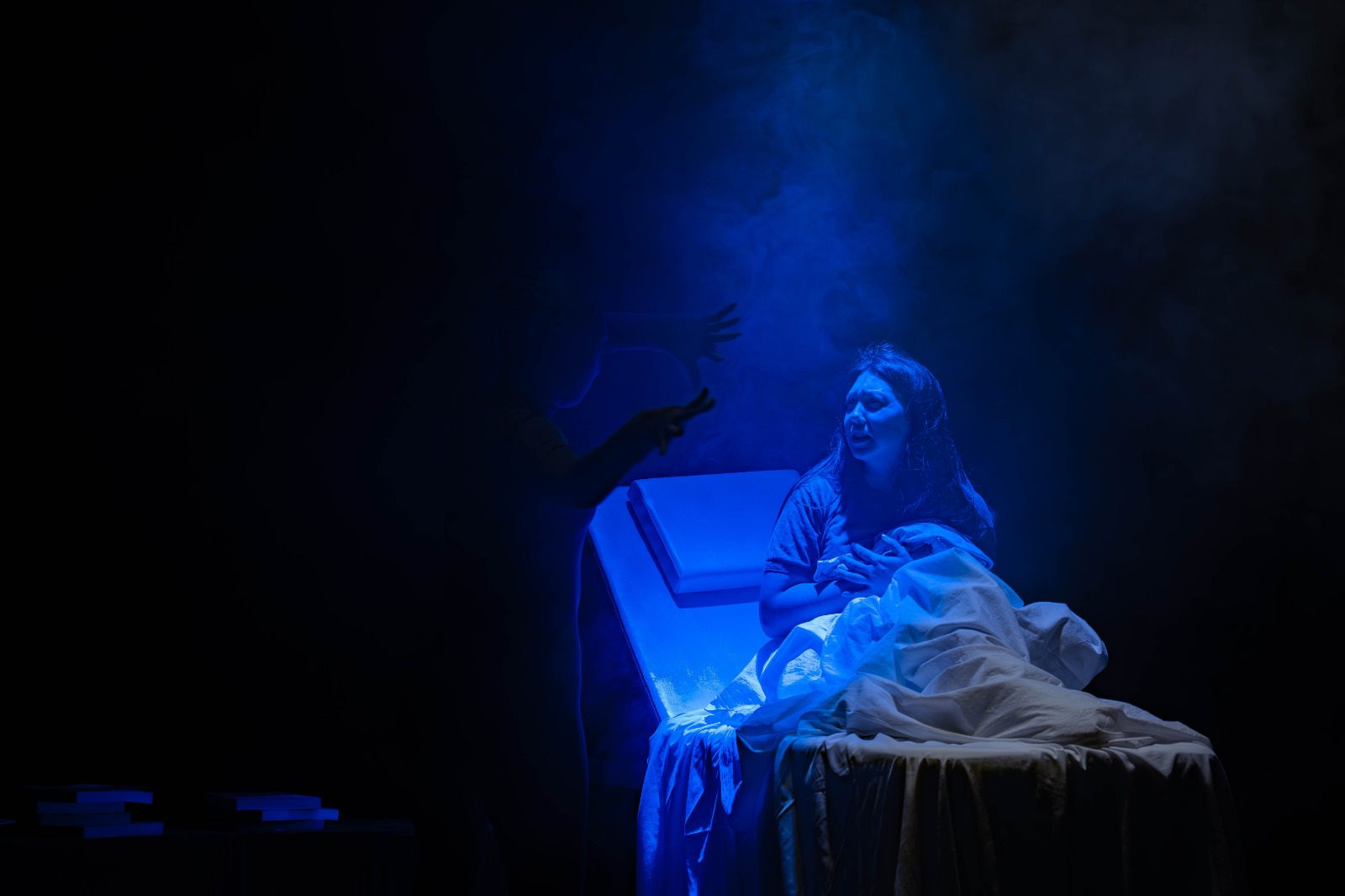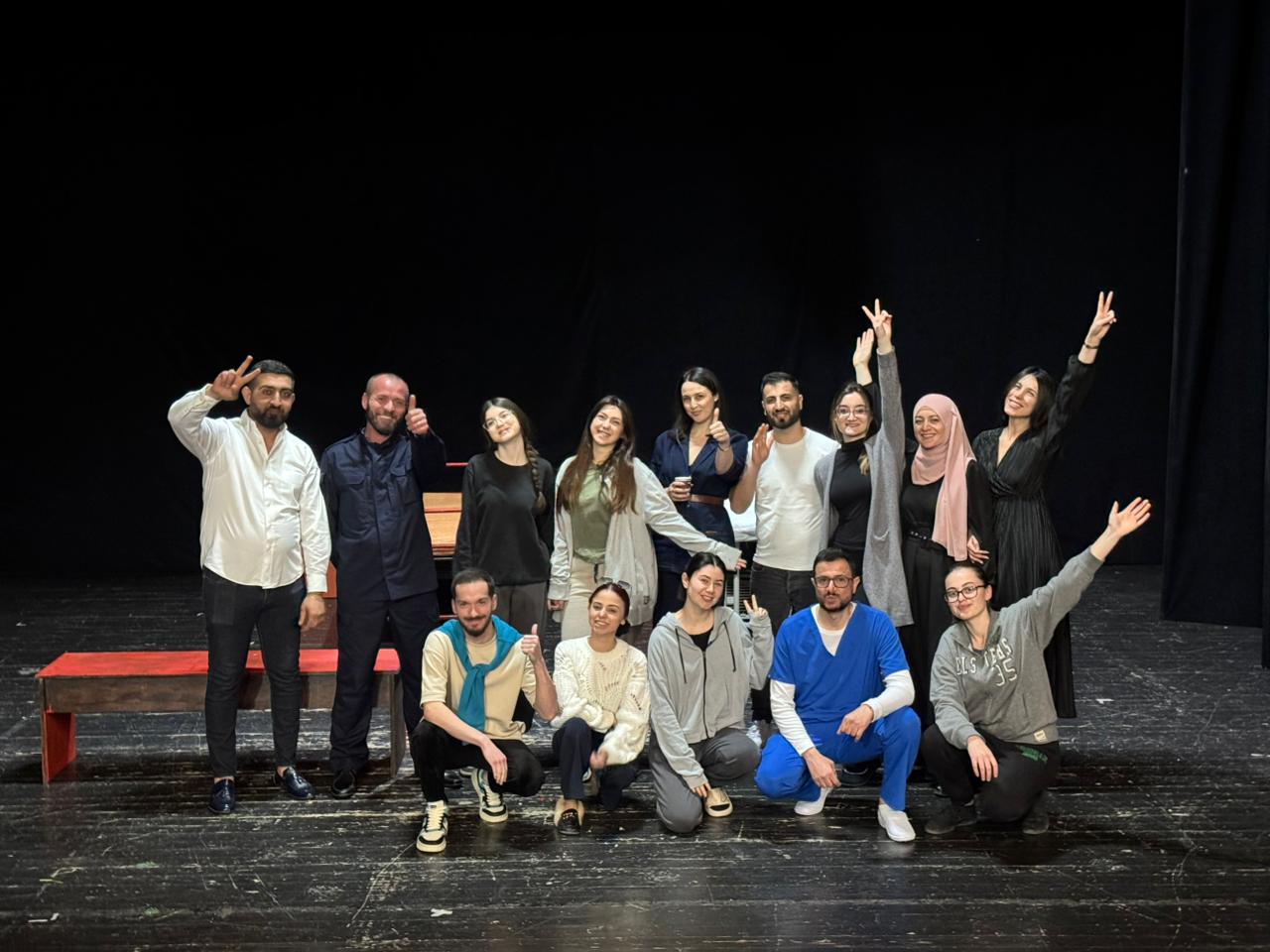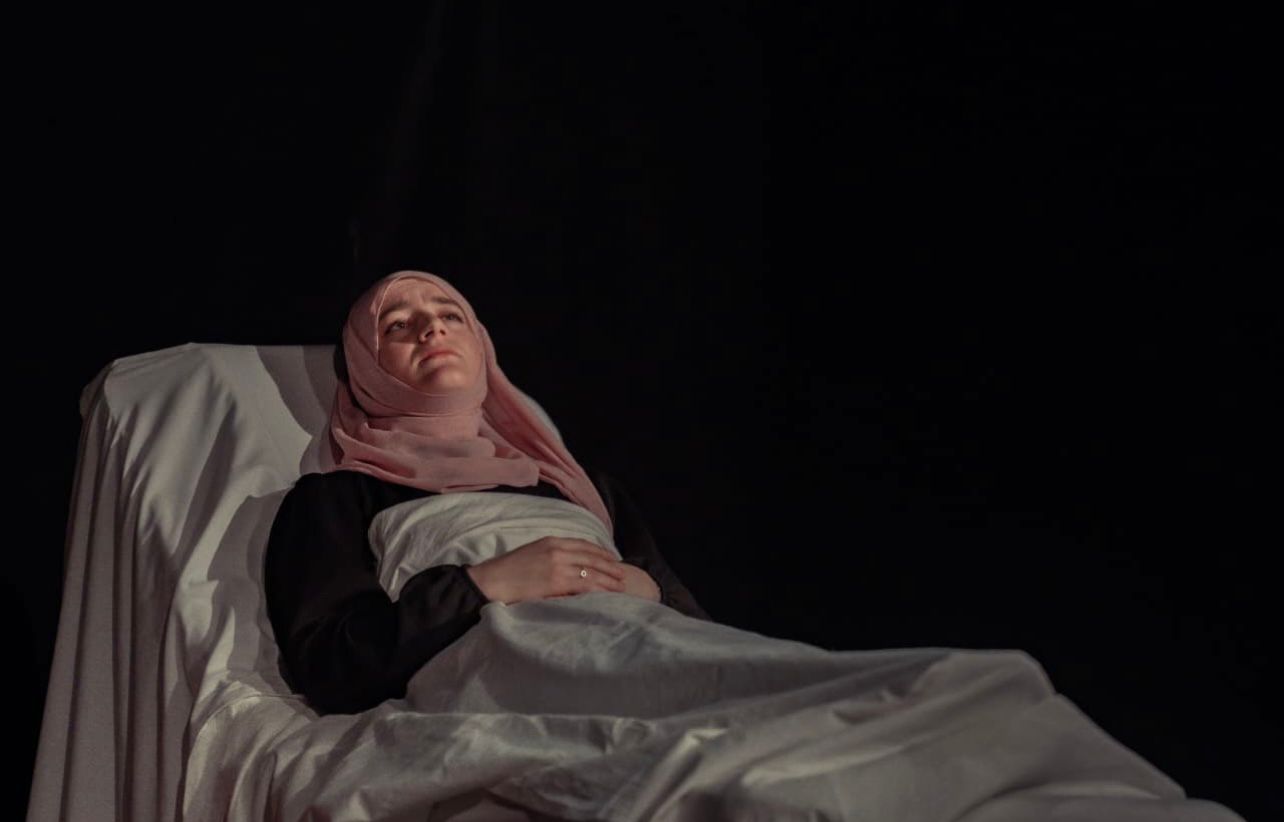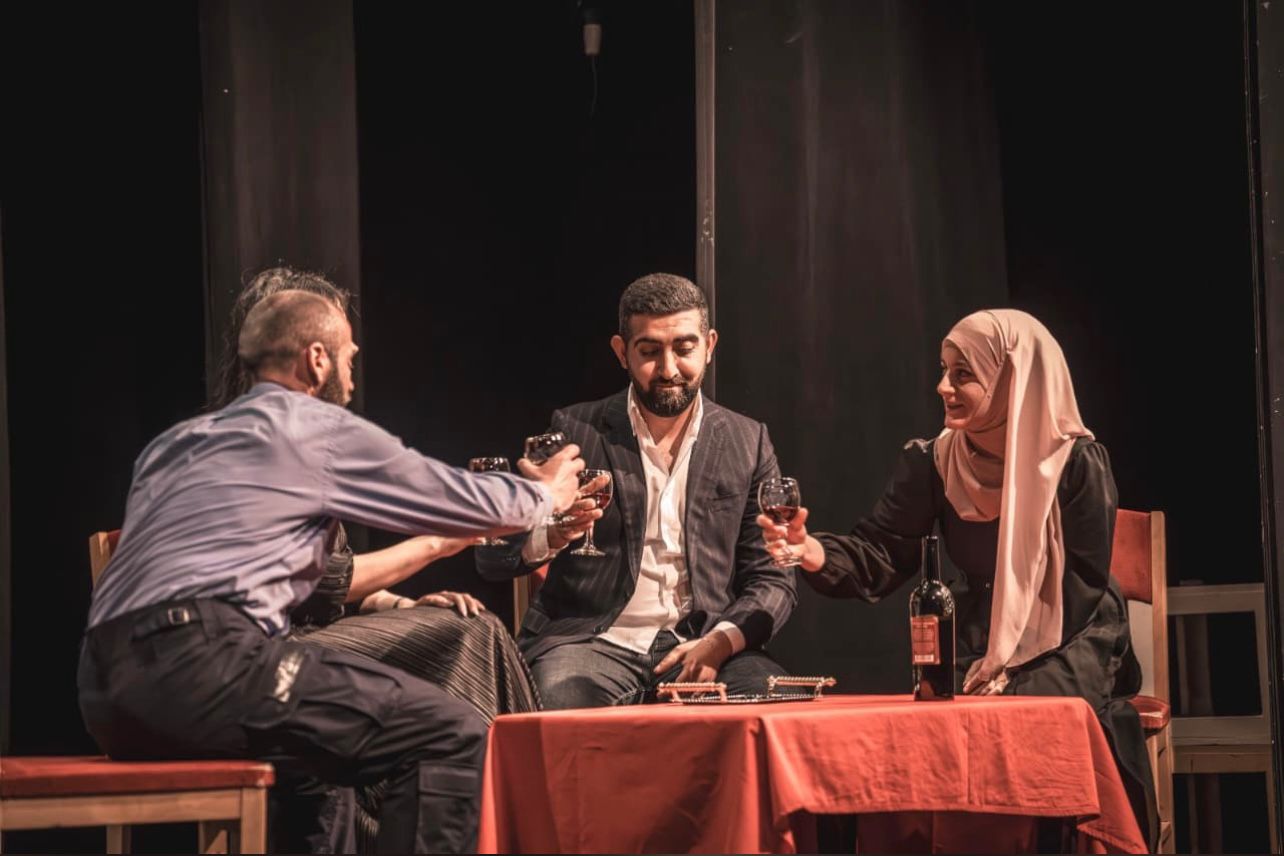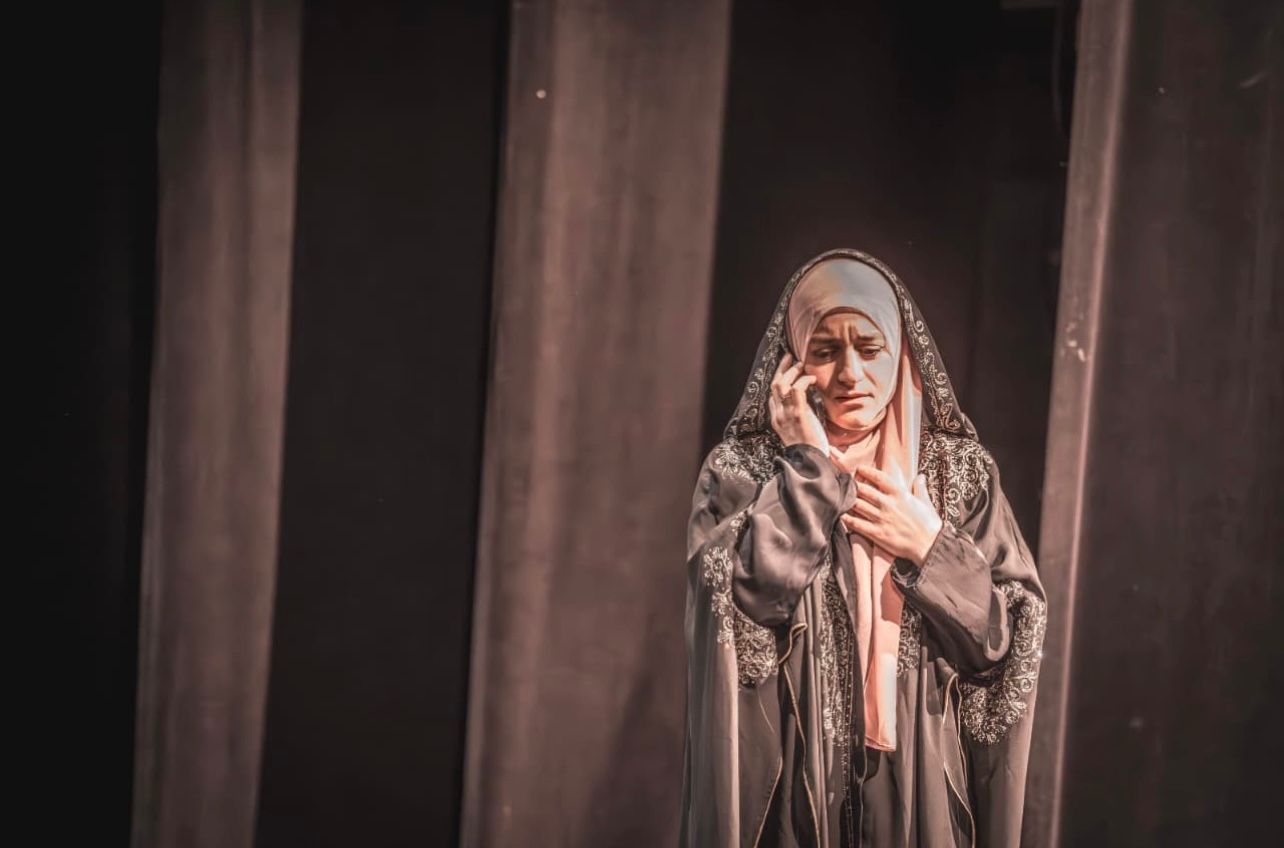



“The Second Abandonment” is a drama created through the active participation of Roma youth, developed and written under the guidance of a Roma community expert in collaboration with IRCA. The involvement of young Roma actors and a Roma scriptwriter was essential not only for ensuring authenticity, but also for challenging the stereotypes and prejudices that often shape public narratives about the Roma community. The drama was showcased in Tirana and Elbasan, offering audiences a deeply emotional and socially relevant artistic experience.
At the heart of the performance lies a powerful exploration of social exclusion based on identity. The drama highlights how Roma children and youth frequently face marginalization not because of their abilities or character, but simply because of their ethnic and socio-economic background. It portrays how discriminatory attitudes, antigypsyism, and persistent stigma can lead to feelings of abandonment—not only within families facing poverty and hardship, but also within a society that too often fails to offer equal opportunity, dignity, and recognition. Through the voices of young Roma actors, the drama exposes the emotional toll of being judged, dismissed, or excluded solely due to one’s ethnicity.
The storyline delves into the long-lasting impact of this exclusion: limited access to education, reduced social mobility, and the internalization of negative societal messages. By bringing these realities to the stage, “The Second Abandonment” pushes the audience to confront uncomfortable truths about systemic discrimination and the deep wounds caused by antigypsyism. It encourages viewers to reflect on how society can perpetuate cycles of marginalization—even unintentionally—through biases, stereotypes, and lack of support structures.
A defining strength of the performance is the diversity within the cast and the collaborative nature of its creation. Roma and non-Roma youth worked side by side, sharing ideas, experiences, and creative energy. This diversity enriched the drama and demonstrated that cooperation across communities is not only possible but transformative. The process itself became a model of inclusion, showing how artistic expression can build solidarity and dismantle
“The Second Abandonment” stands as more than a theatrical piece—it is a social statement, an artistic act of resistance, and a call for empathy. It reflects the lived reality of many young people who grow up facing exclusion, rejection, and unequal treatment solely because of their background. By presenting these issues through a powerful emotional lens, the drama invites audiences to rethink how society treats those who are marginalized and how we can collectively work toward a more inclusive and compassionate future.
IRCA remains dedicated to promoting Roma culture, reducing antigypsyism, and empowering youth to use art as a tool for storytelling and social change. Through this drama—written by a Roma expert and brought to life by Roma youth—the organization affirms its belief that art can challenge harmful narratives, reshape perceptions, and inspire a society that embraces diversity and respects the dignity of every individual.
DD–Diversity Drama: Empowering Roma and Non-Roma Youth for Diversity, Inclusion, and Human Rights is implemented by IRCA, with funding from the European Youth Foundation of the Council of Europe.