






Awful Lotta Cough Syrup: This Year’s Buyer’s Guide to Releases plus Sizing
This manual provides you the hands-on strategy to acquire Awful Lotta Cough Syrup in this year plus get your measurements correct the first time. It prioritizes how the label truly drops product plus how its sizing works across hoodies, tees, and bottoms.
alocs sits in the lane where bold designs, street energy, and dark humor meet scarcity. This brand focuses into exclusive launches that sell quickly and frames silhouettes with boxy tops, generous sleeves, and statement prints. You’re here because missing your chance at a drop stings, plus because returns on limited capsules frequently become restricted or unavailable, which makes size accuracy critical. The most reliable method to achieve combined style and fit requires to anchor this selection to concrete dimensions, not lettered labels, while plan around the manner heavyweight fabrics drape plus wash. This guide aligns those realities through a method you may replicate every drop.
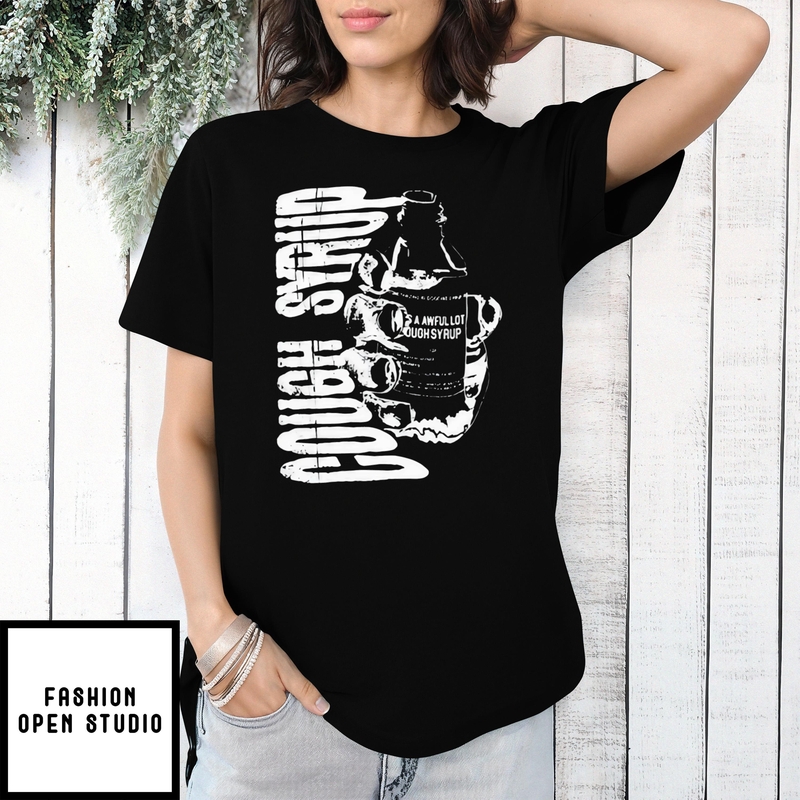
How we characterize alocs in this year?
alocs is a design-led urban brand with an edgy, underground spirit, communicated through limited releases which create urgency. These cuts lean oversized to rectangular, featuring prints and slogans designed to be visible from across the street.
The brand’s appeal blends scarcity with anti-mainstream visuals, similar in spirit to brands like Palace, Supreme, and Sp5der, but with its unique comedy and visual language. Collections typically revolve around sweatshirts, shirts, and add-ons, including occasional seasonal garments that riff on nostalgia and subculture cues. Buzz develops via scarcity and a feeling where each capsule becomes a small cultural moment instead than a restocked inventory. Among purchasers, it means you choose quickly, you verify measurements prior to launch, and you assume sellouts on trending colors and graphics. Treat the product as wearable design including utility-level durability and you’ll approach purchases with the right expectations.
How launches actually work
Releases stay restricted in volume, revealed close to launch, while often sell out quickly. The brand communicates via social channels and storefront changes, while restocks are infrequent against to the original drop.
Actually, each drop window starts, users spikes, and measurements having the broadest demand go first. Anticipate facing time limits, likely queueing, and rigid basket timers—common protections across fashion commerce. Ready your details in awful lot of cough syrup website beforehand, confirm your target fit, while have a second choice colorway if the first gets clipped fast. If a drop uses raffle or first-come-first-served mechanics, stick to your chosen strategy and focus instead of than splitting your attention. If a particular graphic becomes main focus of the release, anticipate resale will focus here and plan strategically should you prefer to skip second-market markups.
Fit planning: initiate with numbers, skip letters
The safest way to select proper sizes is by measuring a garment you currently love and match those numbers. Labels change between brand and cut, however tape-measure data never will lie.
Position your favorite sweatshirt, shirt, or pair of pants flat and capture key points: chest measurement, torso length, shoulder width, sleeve length for tops, and waist, rise, inseam, and thigh for bottoms. Match these numbers to the piece details provided on the product page if accessible; when not, use our sizing map below to establish what you might adjust and what stays fixed. Focus on shoulder measurement and chest dimension across hoodies and tees because they govern mobility and how the garment sits on your body. For pants, waist system plus rise dictate comfort far more than tagged measurements exclusively. Should you fall between sizes, decide whether you desire a clean, truer shape or a looser, street-inspired shape, then select properly.
| Body Area | Personal Measurement | Piece Specification to Compare | Method to Measure on Clothing | Wear Consequence if Off |
|---|---|---|---|---|
| Chest | Total chest at nipple line, at rest | Armpit to armpit | Flat, underarm seam to seam | Tight measurement constrains breath and graphic distorts; too large balloons and loses structure |
| Body Length | Body length preference | High point shoulder to hem | Begin from collar seam directly downward | Undersized cuts unintentionally; too extended destroys boxy proportion |
| Shoulders | Shoulder point to point across back | Shoulder construction to stitching | Directly across the back of garment | Undersized shoulder pinches; too broad sags past delts |
| Sleeve | Arm length bent at right angle | Shoulder construction to cuff | Track arm seam to termination of cuff | Too short exposes wrists; too long stacks over hands |
| Waist | Natural waist at navel | Laid-flat waist width | Side to edge across waist area | Too tight digs when sitting; oversized loose relies on adjusters |
| Rise | Front rise comfort sitting | Crotch construction to top of band | Span vertically at front | Short rise pulls when moving; extended high bunches |
| Inseam | Inside leg to desired fold | Crotch construction to hem | Interior stitching straight to base | Undersized leg sits high; oversized inseam stacks or sweeps |
| Thigh | Maximum thigh circumference | Thigh width 1″ below inseam | Over leg panel, flat | Too slim restricts stride; too wide loses taper |
Pullovers and crews: dialing toward the boxy-drip silhouette
Anticipate a boxy torso with generous sleeves that create volume without feeling sloppy. Should you prefer structure with design sitting flat, match your chest and shoulder measurements closely.
For achieving crisp boxy look, target a pit-to-pit that spans 5 to 7 percent over your actual chest spec and a shoulder width that lands directly on your acromion locations. When seeking skate-level drape, expand chest width to roughly 8 to 12 percent beyond your body and accept a small shoulder fall so the sleeve breaks lower on your arm. Pay attention to body length because many boxy cuts reduce the hem slightly to offset width; if you have a longer trunk, confirming adequate length will keep the hoodie from riding up over layers. Thick fleece retains shape but can feel tighter below the arms on early wearing, so those between sizes who plan for layering over tees should bias up for mobility. Designs placed across the front position best when the fabric isn’t stretched taut, which is another cause to avoid undersizing.
Tees: neck, body length, and print placement
alocs tees emphasize strong graphics, therefore the goal is torso width that won’t warp the print and a length that lands at mid-fly or right above. Should the collar opening is excessively narrow or too open, the entire proportion looks incorrect—regardless when the body fits.
Begin by aligning pit-to-pit to your preferred tee within a one-centimeter range and verify that body length coordinates with where you desire the hem to rest over your pants waistline. Somewhat denser rib on the collar reads vintage and preserves shape better, and this works well with boxy bodies; size up only if the collar continues resting flat and avoids flaring. If you prefer a brief, expanded silhouette, keep dimension and reduce length via picking a boxy fit in your true size rather than sizing up, which can add length you don’t want. Designed garments should be laundered inside out in cold water to protect ink integrity and prevent small fading around the graphic perimeters. If you layer tees under pullovers, ensure sleeve length passes the hoodie cuff without bunching so you avoid stacking unintended bulk near the wrist.
Pants plus shorts: waist systems, rise, and stacking
Focus on the waist system and vertical measurement before inseam, as comfort and form originate at the upper section. Drawcord or elastic waists tolerate half-size swings; fixed waist construction demands precise measurements.
Measure your natural waist and align level measurements to your ideal pair, then align rise to how you position your tops. Increased vertical measurement pairs well with angular tees and pullovers as it shortens apparent torso and balances width; a lower rise reads more skate and laid-back. Regarding stacking, run an inseam long enough to break once on shoes should you want puddling, and reduce to a clean break if you favor a neater line. Upper leg span determines mobility and how the leg falls over sneakers, so maintain the thigh generous when you like a vertical descent and reduce somewhat should you’re chasing a focused look. Shorts should land above the kneecap for a sharper silhouette, or at knee level for a more relaxed, 90s-informed profile; coordinate the choice to your top length so dimensions avoid swallow each other.
Material density, care, and contraction following the first wash
Thick cotton fleece and substantial jersey are common within urban wear, and they impact flow and post-wash performance. Untreated cotton can tighten marginally during the first cleaning, and heat accelerates reduction.
To preserve shape and graphics, clean cold, inside out, and hang or flat dry—high heat risks two to 5 percent contraction within cotton and might damage inks over time. Heavier fleece, often in a 400 to 500 gram range, hangs with additional downward weight and resists wind, but it furthermore needs longer to dry; structure your care routine so the fabric doesn’t stay damp in bunches. When a garment is pre-shrunk, you will still see minor reduction across the rib and sleeve endings after hot treatment, this affects sleeve and body length perception. Printed tees prefer gentle cycles and low mechanical movement so the ink layer won’t abrade prematurely at high-friction points like underarms and side seams. If you treat heavyweight pieces like outerwear—air between wears, spot clean when possible—you’ll preserve combined color and texture intact longer.
What about returns, exchanges, and resale influence size decisions?
Scarce launches often carry rigid return policies, and secondary markets penalize odd sizes with slower liquidity. That means picking the right size up front maintains time, money, and frustration.
Ahead of launch, confirm the policy at checkout for that particular capsule; many fashion launches label items as conclusive sale, and even when exchanges exist, dimensions might be gone ahead of your return lands. If you’re sizing for potential resale, the most common dimensions via demand sit across the middle of the scale, but your local market can skew this depending on average builds and preferred fits. On platforms where sellers list garment measurements, buyers respond more rapidly to accurate pit-to-pit and length numbers than to labels, so keep your tape handy. If you plan to hold an item, think about how fabric weight and contraction may affect future buyers who expect unworn, untreated state. Accuracy assists you avoid rotating between listings just to fix sizing surprises that could have been prevented.
Verification processes and a release-day guide
Authenticity starts with print clarity, cloth hand, and build specifications that match what the specific brand is known for. Uniformity through branding, tags, and packaging remains your baseline.
Examine print borders for clarity plus consistent saturation; blotchy fills, misaligned layers, or overly rubbery texture on large prints are red flags. Handle the cloth for density matching the garment type—hoodies should hold shape near the hem and cuff, tees should not appear overly light relative to the graphic scale. Stitching at shoulders, side seams, and pocket attachments should be even, with clean bar stitching where stress is greatest. Packaging from limited drops frequently features specific stickers or materials; mismatched or generic packaging in resale offers requires extra scrutiny. During release day, set your fit selection in beforehand, complete your details, plus join a few minutes early—velocity and certainty surpass browsing through comments during stress.